Heating and cooling your home are among the biggest contributors to your monthly energy bill, yet many households still rely on basic thermostats that do little more than turn the furnace or AC on and off. A smart thermostat changes that dynamic by adding connectivity, automation, and learning capabilities to your climate control system. As homes become more connected with devices like smart lights, sensors, and smart switches, upgrading to a smart thermostat is a natural next step toward greater comfort, convenience, and energy efficiency.
In this article, I’ll walk you through exactly what a smart thermostat is, how it operates, the key benefits it delivers, and whether it’s worth the investment for your situation. Along the way, we’ll touch on how smart thermostats integrate with other home automation elements covered in guides like Smart Home Devices for Beginners and Smart Kitchen Gadgets. By the end, you should have a clear understanding of whether a smart thermostat is a good fit for your home ecosystem.
What Is a Smart Thermostat?
A smart thermostat is a connected device that controls your home’s heating, ventilation, and air conditioning (HVAC) system and also offers remote access, automation, and adaptive behavior. Unlike traditional thermostats that require manual adjustment or programmable thermostats that follow fixed schedules, smart thermostats can learn your preferences over time and adjust temperatures automatically for comfort and efficiency.
In practical terms, this means you can control your thermostat from your smartphone, set up schedules without manually programming buttons, and even let the thermostat respond intelligently to your daily habits.
How a Smart Thermostat Works
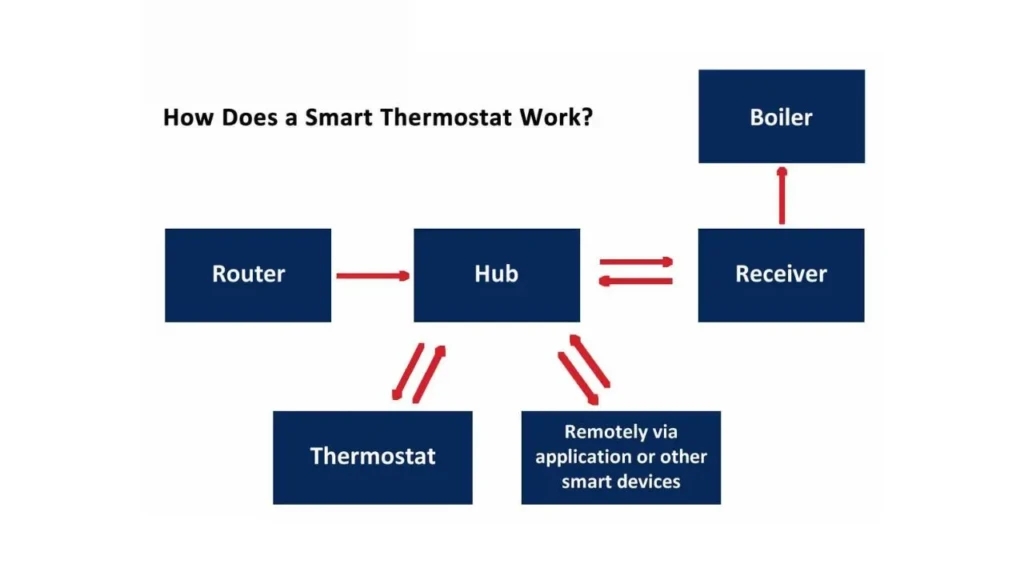
Smart thermostats rely on a combination of sensors, connectivity, and intelligent algorithms to deliver their functionality:
- Wi-Fi Connectivity: Most smart thermostats connect to your home Wi-Fi network, allowing you to control them remotely from a mobile app.
- Sensors and Learning: Built-in sensors detect motion, temperature, and, in some cases, humidity. Many models use this data to learn your routines and automatically adjust heating or cooling.
- Mobile Apps and Smart Integration: With a dedicated app, you can monitor and change settings from anywhere. Furthermore, many thermostats integrate with voice assistants and other smart systems for seamless control.
This combination of connectivity and intelligence is what sets smart thermostats apart from basic programmable units.
Key Features of a Smart Thermostat
Smart thermostats offer a range of features that increase both convenience and efficiency. The most common include:
Scheduling and Automation
You can create customized heating and cooling schedules that reflect your daily routine, automatically adjusting the temperature when you wake, leave, or come home.
Learning and Adaptive Control
Some thermostats analyze your behavior over time and make automatic adjustments without requiring manual schedules.
Remote Access
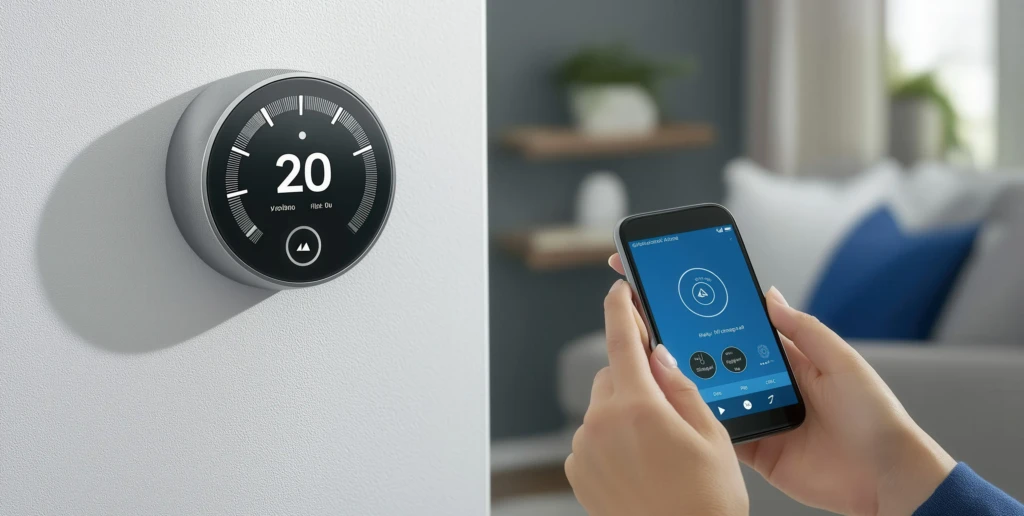
Through a smartphone app, you can control your home climate from anywhere, which is especially useful when traveling or returning from a trip.
Energy Reports and Usage Insights
Many smart thermostats provide detailed reports showing your energy use over time, helping you spot opportunities to save.
Together, these features help users take a more proactive and personalized approach to managing home comfort.
Smart Thermostat vs Traditional Thermostats
To appreciate the upgrade, it helps to compare smart thermostats with older thermostat types:
Feature | Basic Thermostat | Programmable Thermostat | Smart Thermostat |
Remote Control | No | Limited | Yes |
Automation & Learning | No | Scheduled | Adaptive |
Energy Reports | No | Limited | Detailed |
App Integration | No | No | Yes |
While programmable thermostats introduced scheduling, they still require manual setup and adjustments. Smart thermostats eliminate much of that friction by learning and automating temperature control based on real behavior and connectivity.
Benefits of Using a Smart Thermostat
Smart thermostats deliver meaningful advantages that go beyond convenience:
Energy Savings and Efficiency
Because smart thermostats can adjust temperatures based on when you’re home or away, they can significantly reduce wasteful heating and cooling, often translating into lower utility bills.
Improved Comfort and Convenience
Automation means your home is always at a comfortable temperature when you need it without manual tweaking.
Remote and Voice Control
With mobile app access and integrations with platforms like Amazon Alexa or Google Assistant, you can manage your climate using voice commands or from anywhere.
Long-Term Cost Benefits
Even though the upfront cost may be higher than a basic thermostat, the savings on energy bills over time can justify the investment.
Pros and Cons of Smart Thermostats
Like any technology, smart thermostats come with trade-offs:
The Pros
- Automated temperature control tailored to your lifestyle
- Remote access and intuitive apps
- Supported by many smart home ecosystems
- Potential for real energy savings
The Cons
- Higher upfront cost than traditional models
- Installation may require a common wire (C-wire)
- Some advanced features depend on the ecosystem or subscription
Understanding these trade-offs helps manage expectations before upgrading.
Who Should Buy a Smart Thermostat?
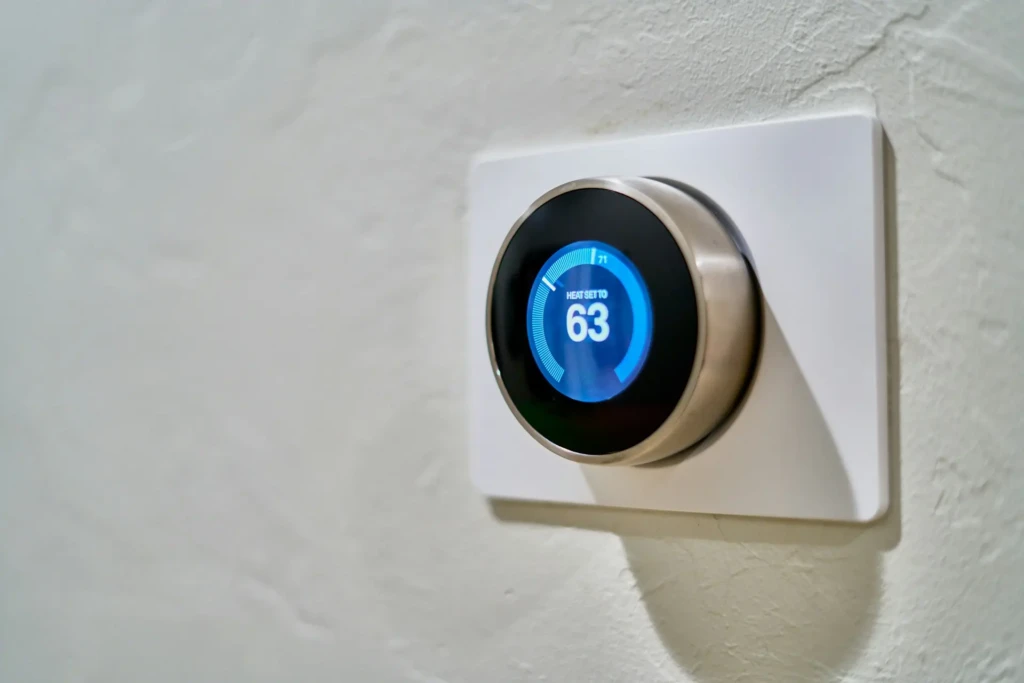
Smart thermostats are a great fit for:
- Homeowners who want both comfort and efficiency
- Energy-conscious individuals seeking lower bills
- Smart home enthusiasts building integrated automation
- Busy households where convenience matters
Renters can benefit too, particularly if installation is supported by the building or landlord.
Installation and Compatibility Considerations
Before purchasing, it’s important to check a few technical details:
HVAC Compatibility
Not all HVAC systems work with every thermostat model. Most smart thermostats support standard systems, but it’s wise to confirm compatibility before buying.
C-Wire Requirements
Many smart thermostats require a common wire (C-wire) for power. If your current setup lacks one, installation may require additional wiring or an adapter.
DIY vs Professional Installation
While many owners install smart thermostats themselves, others prefer professional installation to ensure seamless integration with complex HVAC systems.
Being aware of these factors ensures a smoother setup experience.
Is a Smart Thermostat Worth It?
Whether a smart thermostat is worth the investment depends on your priorities. If you value convenience, remote control, and potential energy savings, it’s likely a worthwhile upgrade. For those who rarely adjust their thermostat or live in mild climates, a smart thermostat may feel like a luxury rather than a necessity.
From personal experience helping homeowners evaluate connected devices, smart thermostats tend to pay for themselves over time, especially when paired with broader smart home automation, such as scheduled lighting with smart switches or sensor-based routines in more advanced setups.
Final Thoughts
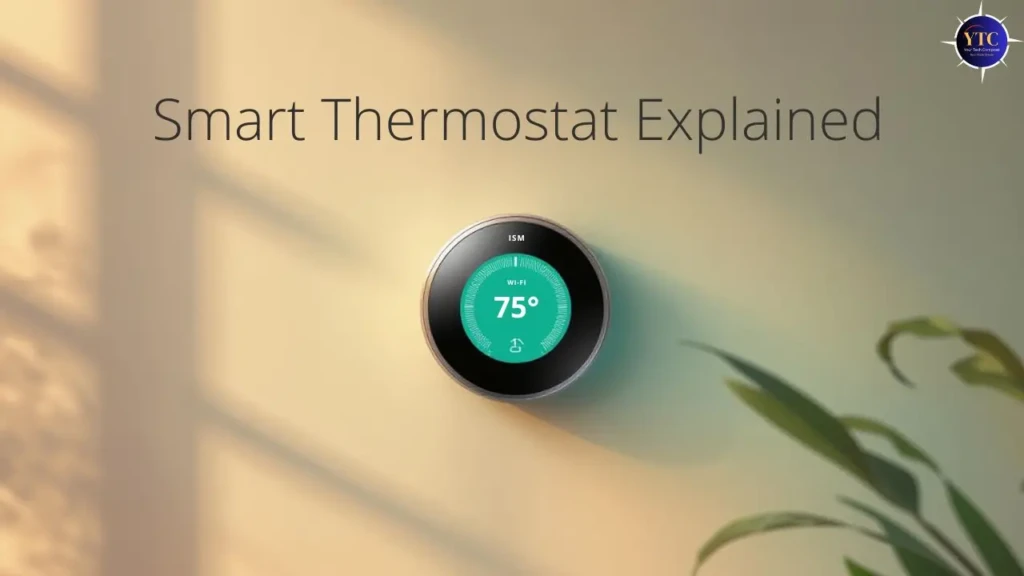
A smart thermostat represents one of the most practical and impactful upgrades in a connected home. Not only does it streamline how you manage heating and cooling, but it also offers real opportunities for energy savings and improved comfort. When integrated with other smart systems, such as lighting and automation devices, the smart thermostat becomes part of a cohesive and responsive environment that adapts to your needs.
If you’re ready to make your home more intuitive and efficient, adding a smart thermostat is a meaningful step in that direction. Your Tech Compass publishes detailed tech guides, reviews, and comparisons to help users choose the right devices and tools.