The Samsung Watch 5 sits in a crowded smartwatch market where users expect accurate health tracking, reliable fitness features, and seamless day-to-day usability from a single device. Positioned as a balanced option rather than an extreme sports or luxury smartwatch, it aims to serve Android users who want dependable wellness insights, workout tracking, and smart features without unnecessary complexity. Understanding where it fits requires looking beyond marketing claims and focusing on how its sensors, software, and battery perform in real-world use.
This article breaks down what the Samsung Watch 5 offers across design, health tracking, workouts, battery life, and everyday functionality, while also clarifying its limitations and ideal use cases. By the end, you’ll have a clear picture of what the Samsung Watch 5 delivers, how it compares to key alternatives, and when it makes sense based on your usage patterns, and I’ll share my perspective based on real-world experience with these devices.
Samsung Watch 5 Specs (40 mm / 44 mm)
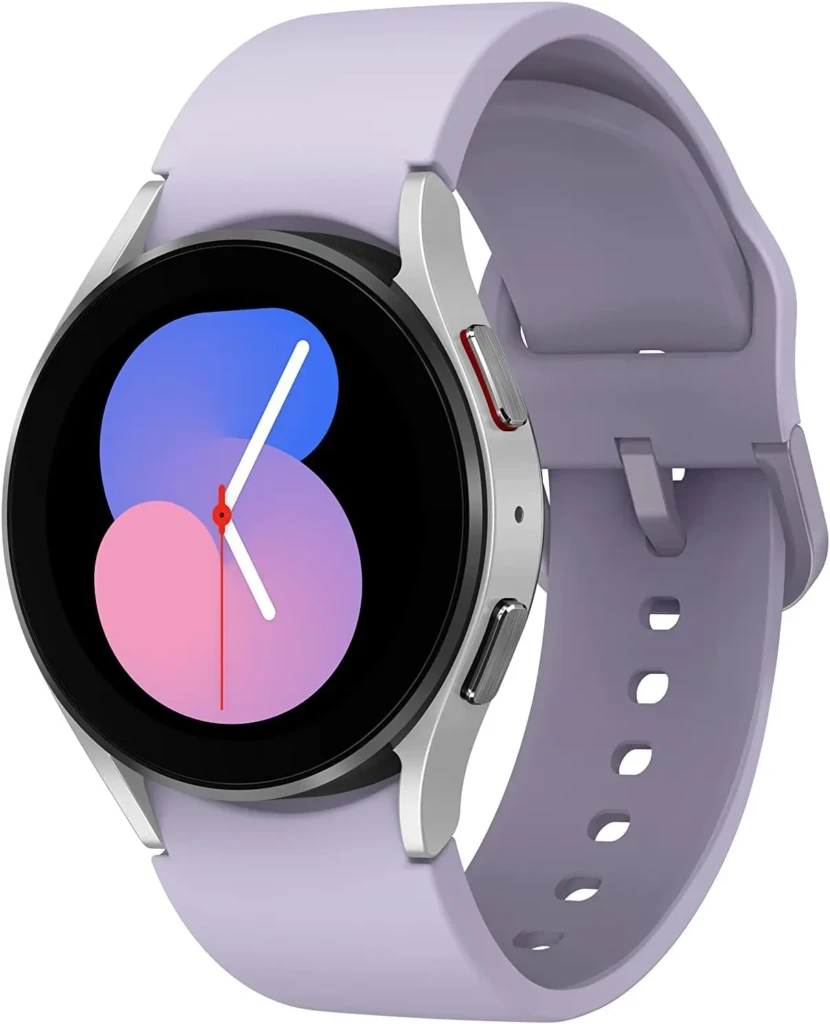
- Display: 1.2″ (396 × 396 pixels) / 1.4″ (450 × 450 pixels) Super AMOLED, Always-On
- Case Dimensions: 40.4 × 39.3 × 9.8 mm / 44.4 × 43.3 × 9.8 mm
- Weight: ~28.7 g (40 mm) / ~33.5 g (44 mm)
- Water Resistance: 5 ATM + IP68 / MIL-STD-810H (swim-ready)
- Processor: Exynos W920 Dual-Core 1.18 GHz
- Memory & Storage: 1.5 GB RAM + 16 GB internal
- Battery Capacity: ~284 mAh (40 mm) / ~410 mAh (44 mm)
- Operating System: Wear OS powered by Samsung with One UI
- Sensors: Heart rate, SpO₂, ECG, BIA body composition, temperature, accelerometer, gyro, barometer, geomagnetic, light
- Connectivity: Bluetooth 5.2, Wi-Fi 2.4 / 5 GHz, NFC, GPS/GLONASS/Beidou/Galileo; optional LTE/eSIM
What Is the Samsung Watch 5
The Samsung Watch 5 is a mainstream smartwatch designed primarily for Android users, and it represents Samsung’s effort to blend comprehensive health and fitness tracking with everyday convenience features. It serves as a follow-up to earlier Galaxy Watch models with upgrades in sensors, software, and battery efficiency. Like other Samsung smartwatches, it runs on Google’s Wear OS platform (with Samsung’s One UI Watch interface), which means access to a broad app ecosystem, reliable notifications, and tight integration with Android phones.
Design and Build Quality
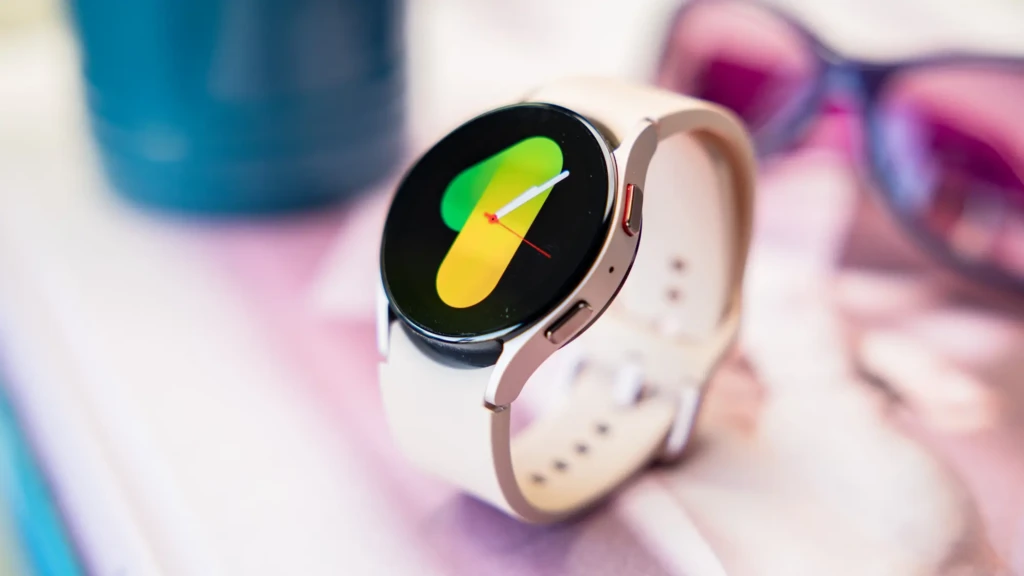
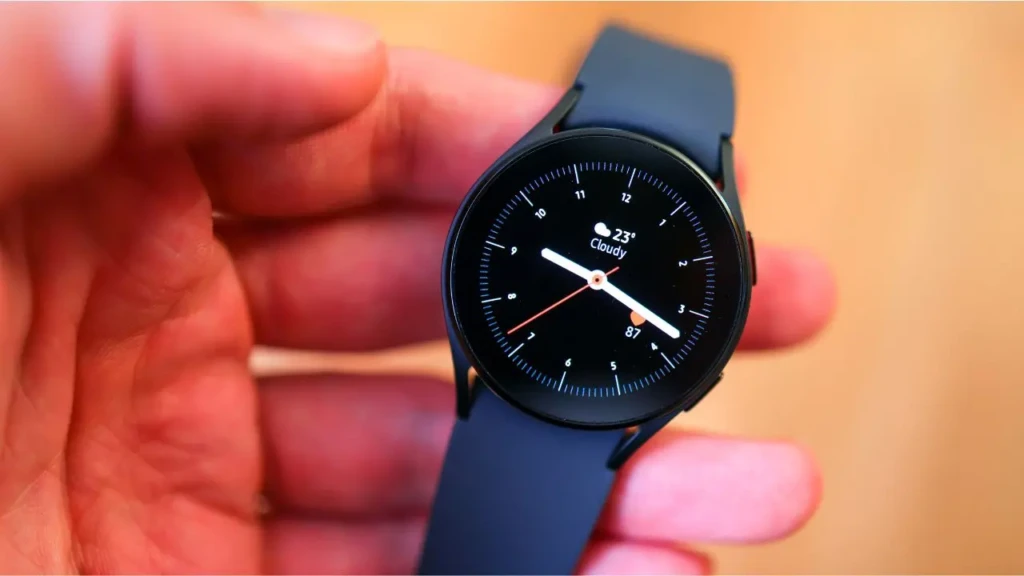
Samsung Watch 5 adopts a design that balances durability with everyday wearability. It typically features a circular AMOLED display with bright colors and crisp text, making it easy to read in various lighting conditions. The build quality combines metal and glass or ceramic elements that feel premium without being overly bulky.
Comfort is important for all-day wear, and the Watch 5 generally scores well thanks to a balanced weight distribution and a range of strap options. Additionally, it offers water resistance that supports swim tracking and everyday wear around water, though specifics vary by storage and region (verify your model’s spec sheet).
The tactile buttons and responsive touchscreen help ensure usability whether you’re glancing at notifications on the go or diving into workout stats during a session.
Health and Fitness Tracking Features
A major strength of the Samsung Watch 5 is its health monitoring suite, which includes:
- Heart Rate Monitoring: Continuous and real-time detection during workouts and daily activities.
- Sleep Tracking: Detailed breakdowns of sleep stages and recommendations for rest patterns.
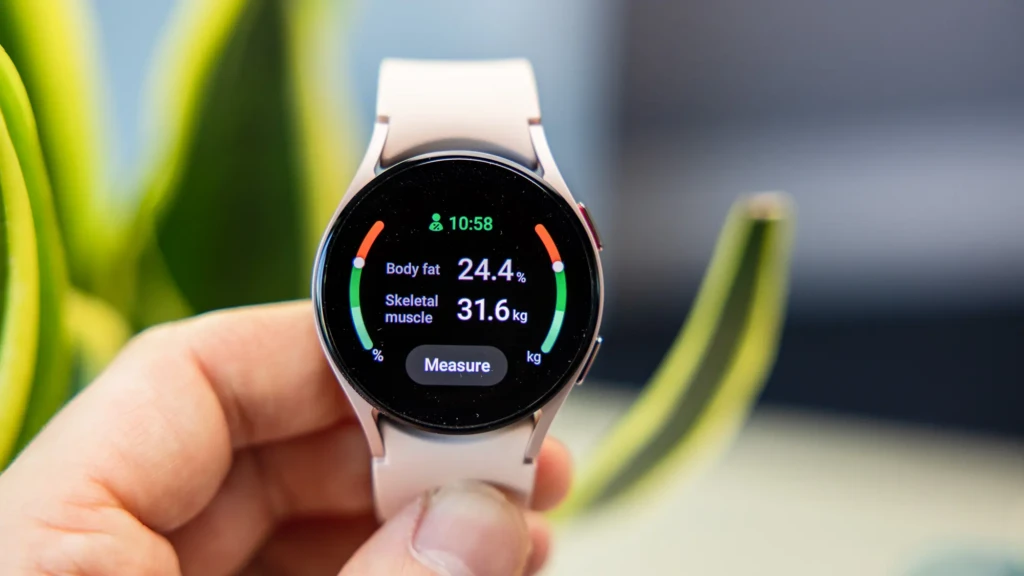
- Body Composition Metrics: Using bioelectrical impedance analysis (BIA), you can view body composition metrics, including estimates of body fat and skeletal muscle.
- Stress and Wellness Tracking: Insights into stress levels with breathing exercises to help manage day-to-day tension.
These sensors and algorithms allow deeper insights than basic trackers, though they’re always best used as guides rather than clinical measurements.
Workout and Activity Tracking
Samsung Watch 5 supports a wide range of workout and activity tracking features out of the box. Key aspects include:
- Automatic Workout Detection: The watch can recognize popular activities (walking, running, cycling) and prompt you to start tracking.
- GPS Tracking: Built-in GPS allows accurate route mapping for outdoor runs, rides, or hikes.
- Swimming Detection: Water resistance, combined with swim-tracking modes, lets you record pool or open-water swims without extra gear.
- Multisport Tracking: While not as focused on hardcore triathlon metrics as some dedicated sport watches, it still records multiple disciplines well.
This makes the Samsung Watch 5 strong for users who want both everyday tracking and structured workout data.
Smart Features and Software Experience
The Samsung Watch 5 runs Wear OS with Samsung’s One UI Watch overlay, providing:
- Notifications and Quick Actions: Smooth interaction with texts, calls, and app alerts from your Android phone.
- App Ecosystem: Access to apps through the Google Play store on the wrist, including music, messaging, and productivity tools.
- Voice Assistant Integration: Google Assistant support (varies by region), enabling hands-free queries and actions.
- Samsung Pay: NFC payment support in select regions, letting you pay from your wrist.
Compared with some competitors that use proprietary operating systems, Wear OS offers broader third-party app support and ongoing platform updates.
Battery Life and Charging
Battery life on the Samsung Watch 5 typically spans a full day or more under typical mixed use, though this varies with features like always-on displays and frequent GPS usage. Charging is reasonably quick with Samsung’s magnetic charging docks, which means shorter downtime between sessions.
Notably, battery efficiency matters for users who track sleep or long workouts; the watch’s ability to last through a full night of sleep tracking and still have power for daily activity adds practical value.
Samsung Watch 5 vs Other Samsung Smartwatches
A comparison table helps illustrate where the Samsung Watch 5 sits within Samsung’s lineup:
Feature | Samsung Watch 5 | Samsung Galaxy Watch Ultra | Other Galaxy Watch Models |
Build & Durability | Premium, balanced | Rugged, extreme sports focus | Varies |
Health Sensors | Comprehensive | Advanced | Basic to comprehensive |
Battery Life | Full day | Extended for long use | Varies |
Swim/Workout Tracking | Yes | Yes (enhanced) | Yes |
Smart Features | Wear OS + Samsung | Wear OS + Samsung | Wear OS + Samsung |
Best For | Everyday users & fitness | Adventure & endurance | Casual to fitness users |
This table shows that the Watch 5 aims for a broad audience, while Ultra-tier devices target more rugged, extended-use cases.
Samsung Watch 5 Limitations
No device is perfect. With the Samsung Watch 5, the most commonly cited limitations include:
- Battery Life Compared to Dedicated Sport Watches: While solid for daily use, battery life won’t match that of ultra-endurance sport watches.
- Body Composition Accuracy Varies: BIA sensors offer useful trends but should not substitute professional measurements.
- App Support Variation: While Wear OS broadens app availability, specific apps and watch faces can vary by region.
These limitations are important to consider if your primary focus is ultra-long workouts, specialized sport use, or clinical-grade metrics.
Who the Samsung Watch 5 Is Best For
The Samsung Watch 5 is a strong match for:
- Android users who want a feature-rich smartwatch that combines fitness, health, and smart features.
- Casual to moderately serious athletes who want accurate tracking for runs, swims, and workouts without cumbersome setups.
- Everyday users who value smartwatch convenience (notifications, payments, apps) and solid health insights in one device.
For users seeking extreme outdoor endurance features, a device with longer battery life or a more rugged build may be a better fit.
Conclusion
The Samsung Watch 5 offers a compelling blend of health monitoring, workout tracking, smart features, and everyday usability, making it a strong choice for Android users seeking a well-rounded wearable. Its integration with Wear OS broadens its app and notification capabilities, while sensors deliver meaningful fitness insights for daily activity and structured workouts. Compared with broader lines like rugged smartwatches or fitness-centric models, the Watch 5 strikes a balance between versatility and value.
In the context of broader smartwatch ecosystems, whether comparing it with the best smartwatches for Android collections, evaluating rugged alternatives like the Samsung Galaxy Watch Ultra, or contrasting it with all-purpose smartwatches like the Apple Watch SE, the Samsung Watch 5 holds its own as a daily driver that also supports serious fitness tracking. Based on practical use and feature depth, I see the Samsung Watch 5 as a dependable choice for most Android users who want an everyday smartwatch that doubles as a capable fitness and health companion.
FAQs About the Samsung Watch 5
Yes. Especially for Android users who want a balance of smart features and fitness tracking without premium pricing.
It works best with Samsung Galaxy phones, but supports a wide range of Android devices with full core functionality.
Health sensors provide reliable trends for daily use, but variations are normal compared with clinical equipment.
Yes. With appropriate water resistance and swim tracking modes, it performs well for pool and open-water use.