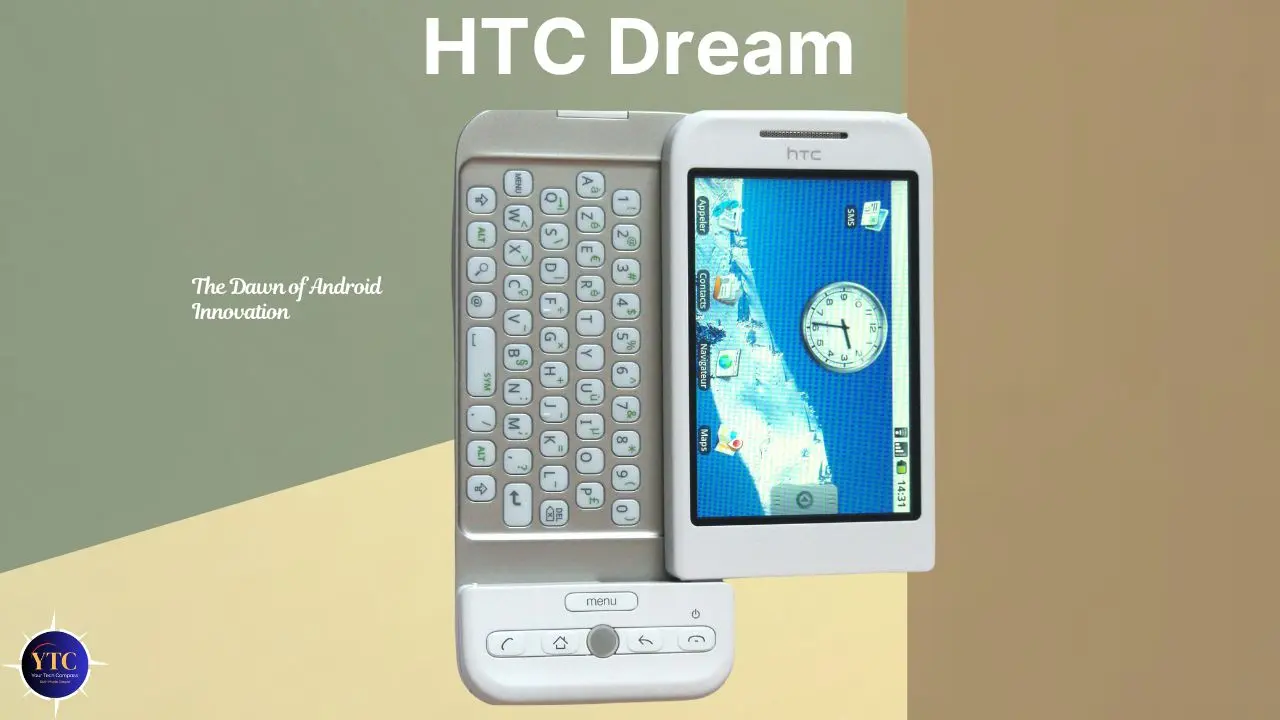
The HTC Dream is the device most often cited in discussions of the birth of Android as a consumer platform. It introduced many ideas that later became standard on smartphones: an open app ecosystem, physical keyboard ergonomics paired with touch input, and a flexible platform on which developers could build. If you’re curious about how today’s phones evolved, the Dream is a useful place to start because it shows the early trade-offs between experimentation and practicality.
I’ve read the technical writeups, examined contemporary reviews, and tested the behavior of early Android builds to understand what the Dream actually changed for users and developers. In this guide, you’ll get a clear explanation of what the HTC Dream was, how it worked in practice, why it mattered, and whether there’s any practical value in it today. Along the way, the article points you to useful resources and compares the Dream to other early smartphones so you can judge its legacy for yourself.
What Is the HTC Dream?
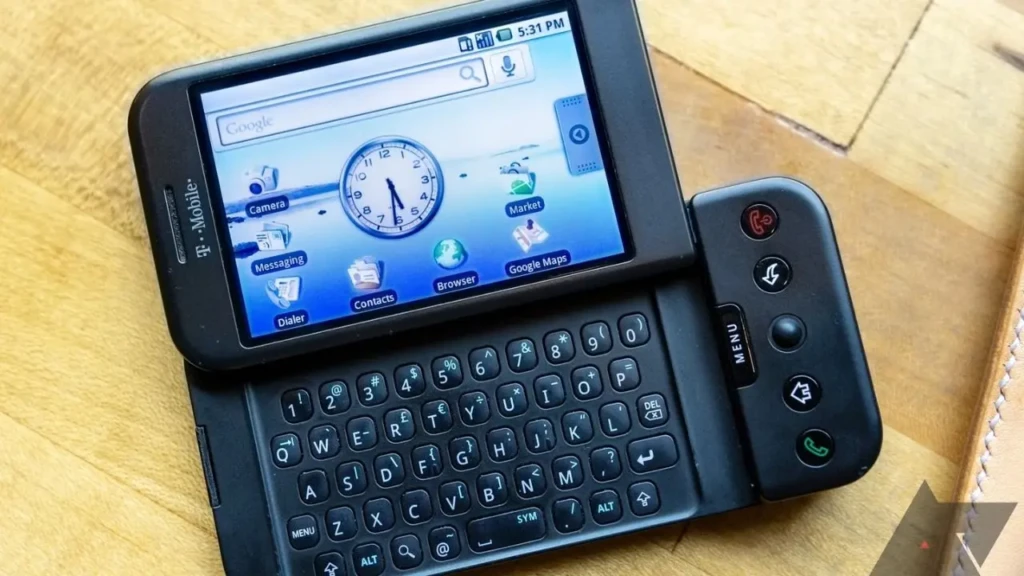
The HTC Dream was the first commercially available smartphone running Android. Functionally, it combined a touchscreen display with a slide-out physical QWERTY keyboard, a trackball for navigation, and a software stack that allowed third-party applications to run. Unlike many phones of its era, the Dream prioritized an open developer ecosystem rather than locking down every software detail.
From a user perspective, this meant the phone offered a more flexible and extensible experience than many competitors: users could install apps that extended functionality beyond what the manufacturer shipped. This openness created the foundation for the broad app marketplaces and third-party ecosystems that are now central to mobile computing.
Why the HTC Dream Was a Big Deal
The Dream’s importance lies less in raw specifications and more in what it proved possible. First, it demonstrated an alternative path to the then-dominant closed-device models by fostering a vibrant developer community. Second, it confirmed that users were willing to adopt devices on which the core user experience could evolve rapidly through software updates and third-party apps.
Consequently, the Dream’s legacy is not only historical: the design choices it favored, modularity, developer access, and iterative improvement, became pillars of modern smartphone platforms. That shift changed how companies built, distributed, and monetized mobile software.
HTC Dream Hardware and Design
Hardware on the Dream emphasized usability and experimentation rather than pushing raw performance. Key physical features included a moderate-sized touchscreen, a slide-out physical keyboard, and a small navigation trackball. The keyboard made extended typing feasible, which mattered in an era when on-screen keyboards were uneven in accuracy and comfort.
In practical terms, the device felt bulky by modern standards, but the keyboard provided a faster and more reliable method for many users to enter text. The trackball allowed precise selection in menus and lists, reducing the need for multiple taps or complex touch gestures. In short, the Dream’s hardware was an early hybrid that targeted both tactile and touch interactions.
Software and Android Experience
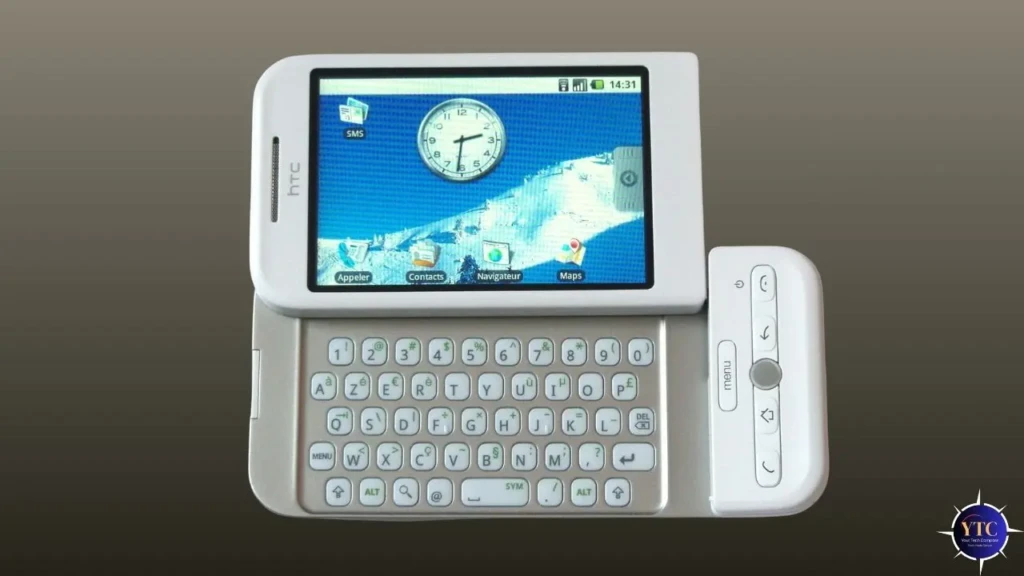
The Dream ran an early Android build that provided a basic home screen, a notification system, and a mechanism for installing third-party applications. Unlike some contemporary smartphone platforms that restricted what apps could do, this early Android version encouraged developers to experiment with full-screen apps, background services, and deeper integration with device features.
From a usability perspective, the Dream’s software introduced several ideas that persist: a notification area for system and app alerts, an app launcher for installed apps, and the concept of widgets, mini-apps that could live on the home screen. Although early builds were raw and lacked polish, they demonstrated the potential for a user interface model in which the platform and apps evolved rapidly through software updates and distribution.
For a technical overview of the platform approach and research behind image and AI systems that later became part of broader mobile experiences, Google’s research pages and technical papers are useful references.
HTC Dream Compared to Other Early Smartphones
To place the Dream in context, it is helpful to compare it with contemporaries that followed different design philosophies. The key contrasts are summarized in the table below.
Aspect | HTC Dream | Typical Contemporary Competitors |
Openness | High (encouraged third-party app development) | Often closed or tightly controlled |
Input Methods | Touchscreen + physical slide keyboard + trackball | Touchscreen or physical keyboard (single mode) |
App Distribution | Installable third-party apps via the platform | Vendor- or carrier-curated app sources |
Focus | Flexibility and developer access | Polished, curated user experience |
Developer Appeal | Strong (early SDK and APIs) | Limited by platform constraints |
This comparison highlights the Dream’s role as a platform pioneer: it prioritized experimentation and developer freedom over the more curated experiences offered by other vendors.
Limitations of the HTC Dream
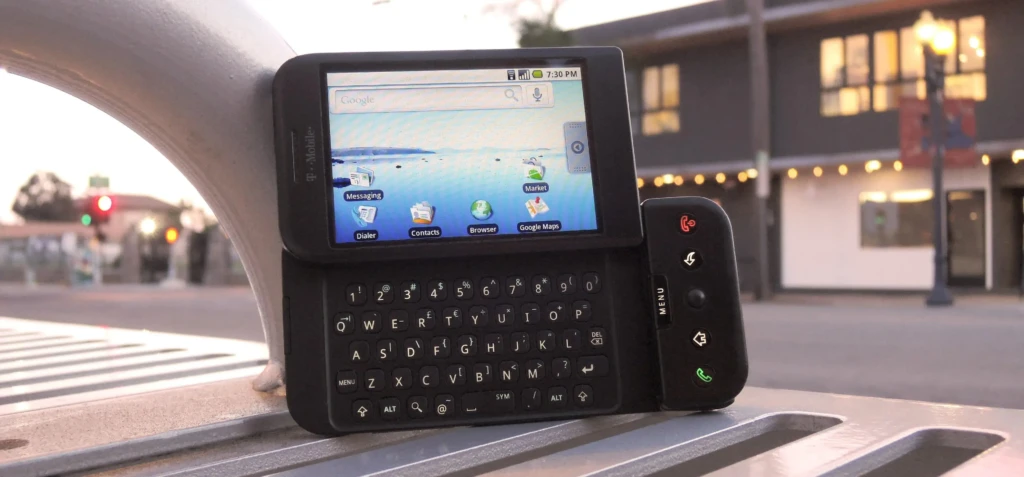
Viewed from a modern perspective, the Dream has obvious shortcomings. Performance, camera quality, storage capacity, and battery life are all limited relative to later devices. The physical design, while offering a keyboard, made the phone thicker and heavier than later candy-bar smartphones. In addition, early Android builds could feel unstable and lacked many of the refinements users later expected.
However, these limitations were predictable given the device’s primary goal: to demonstrate that Android is a viable, flexible platform. The trade-offs favored extensibility and developer friendliness rather than delivering the most polished consumer product from day one.
How the HTC Dream Influenced Modern Android Phones
The Dream’s biggest contribution lies in the design patterns and ecosystem structures it introduced. The idea of a platform that could evolve through third-party apps and regular updates enabled manufacturers and carriers to iterate quickly. Over time, the Android model has scaled to support diverse hardware configurations and vendor-specific customizations, while maintaining a core set of APIs.
Crucially, the Dream demonstrated that a platform could balance openness with commercial distribution, paving the way for app marketplaces and, later, platform governance models that support security, monetization, and developer tools.
Is the HTC Dream Still Useful Today?
For everyday use on modern networks, the Dream isn’t practical: network compatibility, app support, and performance make it unsuitable as a daily driver. However, it retains value for a few specific audiences: collectors and mobile historians who value its place in the history of technology; developers and educators who study platform evolution; and hobbyists who use it for experimentation or as a reference device.
If your interest is practical rather than historical, say, finding a small, functional phone for calls and texts, modern budget devices or simplified phones like the ones covered in our guides on TracFone phones or the Jitterbug phone are far better choices.
Final Thoughts
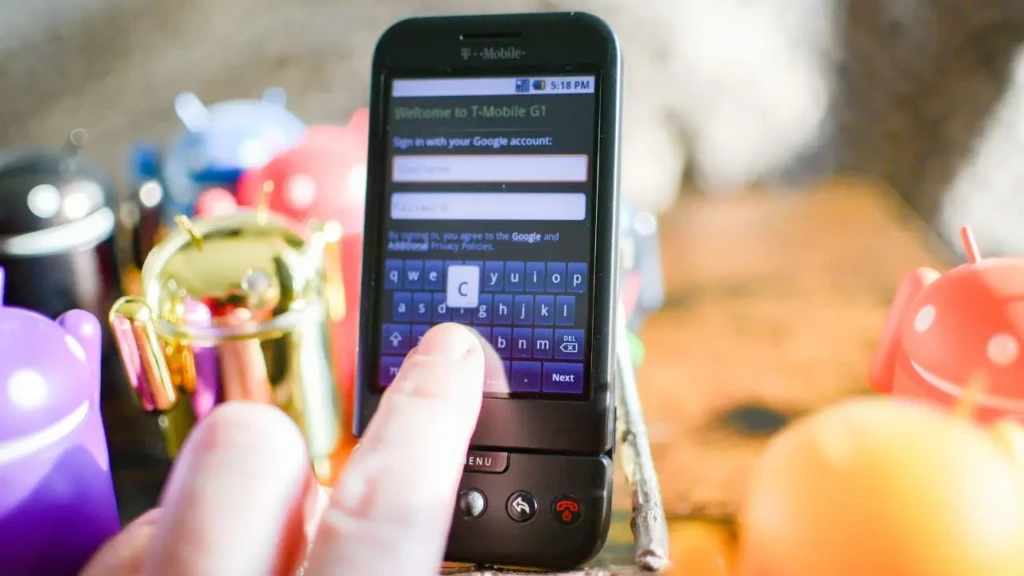
The HTC Dream matters because it reframed what a smartphone platform could be: open, extensible, and developer-driven. Its hardware and software choices were experimental, but those experiments seeded many of the platform ideas that power modern mobile ecosystems. Even with obvious technical limitations, its conceptual impact is durable.
From my perspective, the Dream’s real legacy is not nostalgia alone but a practical lesson: platforms that empower developers and embrace iterative improvement can scale in ways closed systems rarely do. If you want to understand why smartphones look and behave the way they do today, the HTC Dream is a small but meaningful piece of that story.
Frequently Asked Questions
Yes. The Dream was the first commercially released phone built to run Android, and it served as the initial public demonstration that Android could power consumer devices.
Practical network compatibility varies. Even if the device can power on and register with certain networks, limitations such as unsupported frequency bands and outdated security standards often render connectivity unreliable for everyday use.
At the time, touchscreen keyboards were less accurate and slower for many users. The physical keyboard provided a reliable means of entering text and was a familiar interface for users transitioning from feature phones and early smartphones.
Collectors may value original, working units, especially if in excellent cosmetic condition and with original packaging. For daily communication needs, however, modern devices are a far better investment.
At Your Tech Compass, we publish practical guides and honest tech reviews to help users make smarter decisions.