Finding the best free VPN can be challenging because the internet is filled with options that promise privacy, security, and speed, yet not all are trustworthy, safe, or truly free. Many users turn to free VPN services to protect their privacy on public Wi-Fi, hide their IP address, or access geo-restricted content without paying for a subscription. However, it is important to understand that while free VPNs can provide basic protection and value for light use, they often come with limitations such as data caps, slower speeds, fewer server options, and potential privacy trade-offs compared with paid VPN services.
In this comprehensive guide, we’ll explore what you should consider when choosing a free VPN, the most reputable options available, and the practical limitations you’ll likely encounter along the way. Furthermore, this article explains how free VPNs work, evaluates their safety, and provides a detailed comparison of the top contenders so you can decide which one best suits your online needs. I’ll also share my personal recommendation on where a free VPN makes sense and when you might want to consider a paid alternative for better protection and performance.
Quick Look: Best Free VPNs Compared
This quick-look table highlights the most important differences at a glance before diving into detailed reviews.
Free VPN | Monthly Data | Logging Policy | Speed | Best For | Key Limitation |
Proton VPN (Free) | Unlimited | Strict no-logs | Moderate | Privacy & unlimited browsing | Limited server locations |
Windscribe (Free) | 10 GB | No-logs | Fast | Feature-rich free VPN | Monthly data cap |
PrivadoVPN (Free) | 10 GB | No-logs | Fast | Streaming-friendly access | Smaller server network |
hide.me (Free) | 10 GB | No-logs | Moderate | Simple, privacy-focused use | Limited locations |
Quick Recommendation Summary
- Best Overall Free VPN: Proton VPN Free
- Best Feature-packed Free VPN: Windscribe Free
- Best Free VPN for Streaming: PrivadoVPN Free
- Best Simple Free VPN: hide.me Free
What Is a Free VPN and How Does It Work?
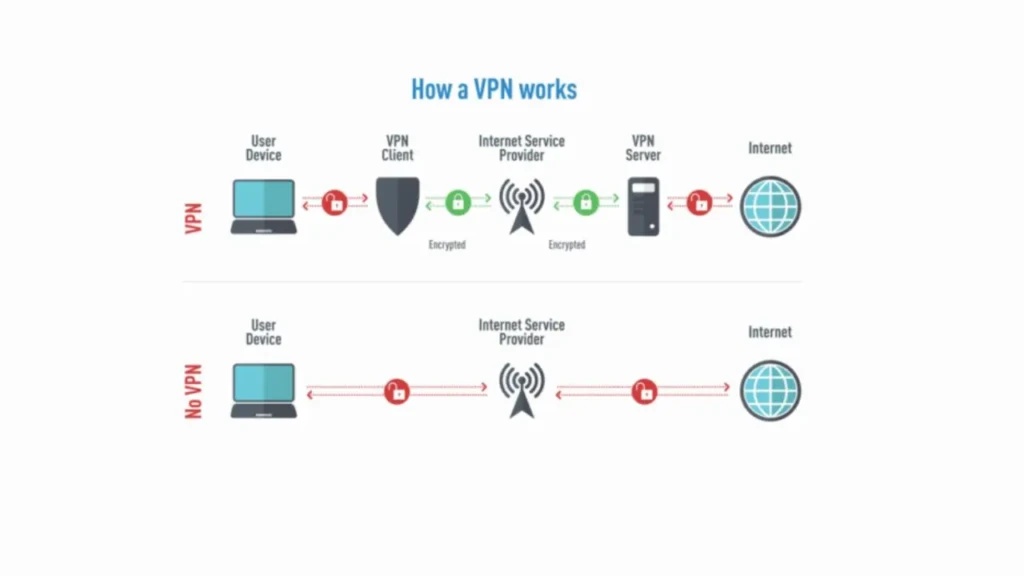
A VPN (virtual private network) is a service that encrypts and routes your internet traffic through remote servers at no cost to the user. Essentially, a VPN creates a secure “tunnel” between your device and the websites or services you access, hiding your IP address and helping protect your data from prying parties on the same network or over the public internet. However, reliable VPN infrastructure, including encryption, servers, maintenance, and customer support, is not free to run, meaning providers have to generate revenue somehow.
Many reputable free VPNs operate on a freemium model, where the free tier offers limited data or features, while premium paid plans unlock full functionality. Because of this, you should always check whether a free VPN is truly free or simply a limited trial that will require payment later.
Are Free VPNs Safe to Use?
While some free VPNs offer legitimate, secure services, not all free VPNs are safe. Research shows that many VPN services, especially lesser-known or unvetted ones, may compromise your privacy by logging data, injecting ads, or even collecting sensitive information. Trusted sources have found that up to 88 percent of some free VPN apps leak data, including IP and DNS information, and many lack strong encryption or robust privacy policies.
Nonetheless, reputable free VPNs backed by established companies often adhere to strict no-logs policies and offer robust encryption, making them relatively safe for casual users. A key tip is to avoid entirely free VPNs that do not disclose clear privacy policies or that operate without transparency, as these may monetize by selling user data.
Key Criteria for Choosing the Best Free VPN
To choose a free VPN that you can trust and that meets your needs, it’s important to evaluate several key factors:
- Privacy Policy and Logging Practices: Look for a service with a transparent privacy policy and a no-logs policy that clearly states it does not store browsing history or personal data.
- Data Limits and Bandwidth: Many free VPNs cap monthly data at a set amount, such as 5 GB or 10 GB, which can be enough for regular browsing but insufficient for heavy streaming or downloads.
- Speed and Performance: Free VPNs often have fewer servers and greater demand, which can lead to slower speeds during peak usage. Prioritize options with capable protocols and reasonable speed performance.
- Server Availability: More server locations can help you access content from different regions, though most free services restrict server choice.
- Security and Encryption: Strong encryption protocols like OpenVPN or WireGuard should be standard to ensure your traffic is protected. Avoid services that lack industry-standard encryption.
- Platform Compatibility: A good free VPN should be easy to use on the devices you regularly use, including Windows, macOS, Android, and iOS.
Best Free VPNs You Can Trust
Here’s a breakdown of reputable free VPN services that balance privacy, performance, and usability:
Proton VPN: Best Overall Free VPN for Privacy
Proton VPN Free is widely regarded as the safest free VPN available, and that reputation is well earned. Unlike most free VPNs, Proton VPN does not impose a data cap, making it ideal for extended browsing sessions without the constant worry of hitting limits.
From a privacy standpoint, Proton VPN operates under a strict no-logs policy, is based in Switzerland (a privacy-friendly jurisdiction), and is backed by the same team behind Proton Mail. This level of transparency and trust is extremely rare among free VPN providers.
However, there are trade-offs. Free users are restricted to a small number of server locations, and speeds are intentionally throttled during peak times. Streaming services are also largely blocked on the free plan.
Best For:
- Privacy-focused users
- Unlimited browsing
- Secure public Wi-Fi usage
Not Ideal For:
- Streaming geo-restricted content
- Fast gaming or torrenting
Windscribe: Best Feature-Rich Free VPN

Windscribe Free strikes a strong balance between features, performance, and transparency. Its free plan offers up to 10 GB of monthly data, which is generous enough for light streaming, regular browsing, and occasional downloads.
One of Windscribe’s standout advantages is its built-in ad, tracker, and malware blocking, which are rarely found in free VPNs. Speeds are generally fast, and the service supports multiple platforms, including browser extensions for Chrome and Firefox.
That said, the interface can feel cluttered for beginners, and users must manually enable certain privacy features to get the best protection.
Best For:
- Users who want advanced features for free
- Light streaming and browsing
- Desktop and browser-based VPN use
Not Ideal For:
- Unlimited usage
- Users who prefer a simple UI
PrivadoVPN: Best Free VPN for Streaming Access
PrivadoVPN Free is one of the few free VPNs that can occasionally access streaming platforms, making it appealing for users who want more than just basic browsing privacy.
It offers 10 GB of monthly data, solid encryption, and competitive speeds for a free tier. While its server network is smaller than premium competitors, performance remains surprisingly consistent during non-peak hours.
However, long-term trust is still developing, and advanced features like split tunneling or multi-hop connections are reserved for paid users.
Best For:
- Occasional streaming
- Balanced speed and privacy
- Users testing VPNs before upgrading
Not Ideal For:
- Heavy daily usage
- Advanced security features
hide.me: Best Simple and Transparent Free VPN

hide.me Free focuses heavily on clarity, transparency, and ease of use. It has a clearly written privacy policy, enforces a no-logs policy, and avoids intrusive ads, something many free VPNs fail to do.
The free plan includes 10 GB per month, solid encryption, and reliable performance for everyday browsing. However, server selection is limited, and speeds are average compared to Windscribe or PrivadoVPN.
This makes hide.me a solid choice for users who want straightforward protection without complexity.
Best For:
- Beginners
- Privacy-conscious users
- Casual browsing
Not Ideal For:
- Streaming
- Performance-heavy tasks
Free VPN vs Paid VPN: What’s the Difference?
While free VPNs can be suitable for occasional browsing or basic privacy needs, they rarely match the comprehensive performance, unlimited data, and advanced features offered by paid VPN services. Paid plans typically offer broader server coverage, faster speeds, stronger uptime, and specialized features such as malware protection and split tunneling. Additionally, paid services often offer 24/7 customer support, which is rarely available in free tiers.
Common Myths About Free VPNs
Myth: Free VPNs are completely anonymous:
Even reputable free VPNs may collect some data for maintenance and security, but anonymity is never absolute.
Common Myth: Free VPNs will protect you in every situation:
Free VPNs primarily secure internet traffic, but they can’t protect against all cyber threats, such as malware or phishing.
Myth: Free VPNs unblock all streaming platforms:
Many free VPNs struggle to bypass geo-restrictions on streaming sites, especially compared with premium providers.
When You Should Avoid a Free VPN
If your use case involves sensitive transactions, heavy streaming, gaming, or long-term privacy commitments, a free VPN may not be adequate. In these cases, a paid VPN service with stronger infrastructure and dedicated support will better meet your needs. Reliable paid services often provide free trial periods and money-back guarantees, making them easier to test before committing.
Final Verdict: Which Is the Best Free VPN?
After examining privacy protections, speed, data allowances, and security features, Proton VPN Free emerges as the most trustworthy free VPN for everyday use, combining unlimited data with strong privacy practices. Windscribe and PrivadoVPN are solid alternatives if you can work within monthly data caps and need a slightly broader server selection. However, for heavy users or those requiring advanced features and higher performance, a paid VPN service is likely a better long-term choice.
Personal Verdict: Based on evaluating privacy policies, performance limitations, and security practices, I recommend Proton VPN Free for most casual users seeking a genuinely free VPN that doesn’t compromise on core protections, while also being mindful of its limitations and when a premium service might be more appropriate.
FAQs About Free VPNs
Yes, free VPNs are legal in most countries, though some regions have restrictions or bans depending on your local laws.
It can, especially if servers are congested or located far from your location.
Some less reputable providers might, which is why selecting trusted, transparent services is critical.
At Your Tech Compass, we publish detailed tech guides, reviews, and comparisons to help users choose the right devices and tools.