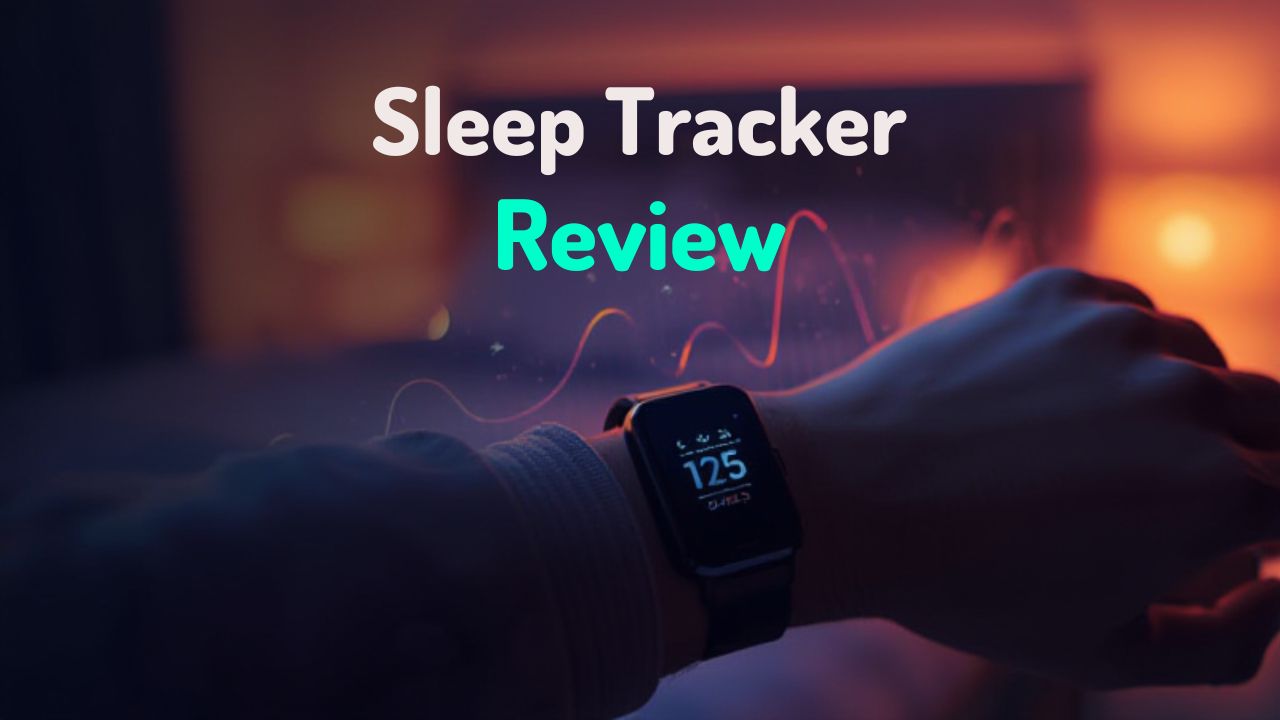
If you’ve been waking up tired, struggling with stress, or simply want deeper insights into how your body recharges overnight, sleep trackers are powerful tools that can help you take control of your sleep health. They analyze your sleep cycles, identify disruptions, and highlight habits that affect your well-being, helping you feel more confident in managing your sleep.
In this guide, I review the best sleep trackers available today and showcase options to suit your needs. By understanding their accuracy, comfort, features, and compatibility, you can feel more assured in choosing a device that fits your lifestyle and links to related articles, such as Best Smart Rings for Fitness Tracking, VR Headsets, and Best Smartwatches for Seniors, for users exploring the broader wearable and smart-tech ecosystem.
What Are Sleep Trackers?
Sleep trackers analyze your sleep using sensors like accelerometers and heart rate monitors to determine sleep duration and quality, including stages like deep, light, and REM sleep, based on movement and physiological signals
For a deeper understanding of how wearables’ sensors work, check out your article on how smart glasses work, which breaks down sensor technology in a simple, relatable way.
Best Sleep Trackers Reviewed
1. Oura Ring Gen 3
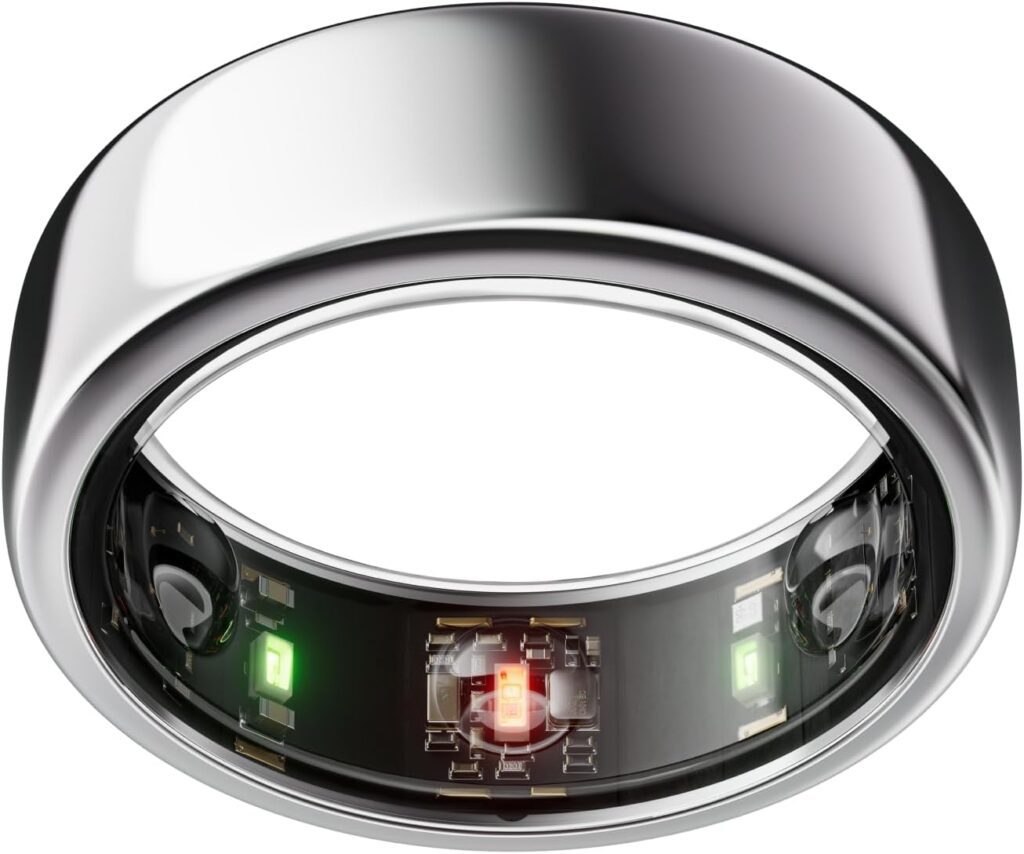
The Oura Ring Gen 3 is recognized for its high accuracy in sleep tracking, collecting biometrics from finger arteries for precise measurements of deep sleep, REM, and nighttime HRV, offering a comprehensive view of recovery
The Oura app also offers detailed guidance, turning your data into actionable insights with daily readiness scores. Its low-profile design makes it ideal for users who find wrist wearables uncomfortable at night.
Key Features
- Detailed sleep stage analysis
- HRV & advanced readiness scoring
- 24/7 temperature monitoring
- Up to 7 days of battery life
- Integrates with Google Health & Apple Health
Pros
- Extremely accurate sleep-stage data
- Lightweight and comfortable
- Great long-term health insights
Cons
- Requires a monthly subscription
- No display for real-time stats
2. Fitbit Sense 2
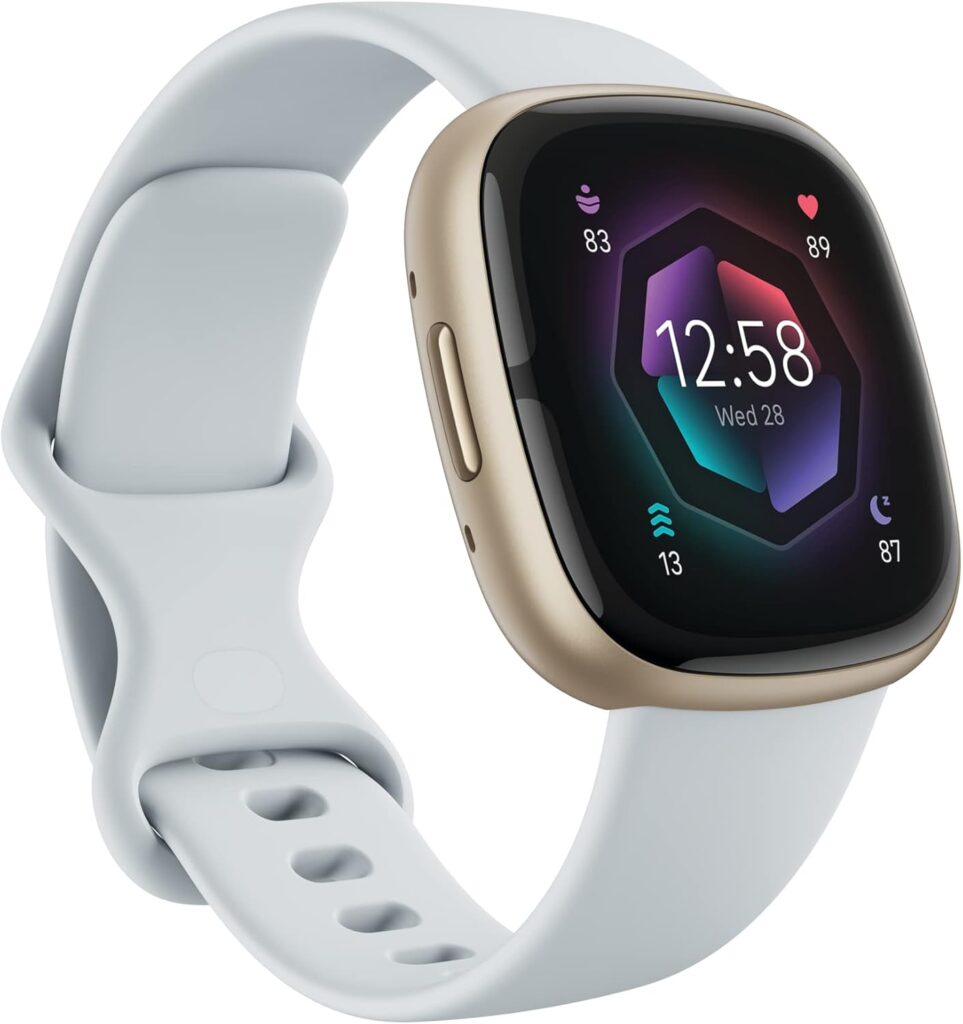
Fitbit Sense 2 offers a complete holistic health suite while delivering very reliable sleep tracking. It automatically measures sleep stages, restlessness, breathing rate, and blood oxygen levels.
The real advantage is how seamlessly it blends sleep insights with daily stress-management features, such as continuous EDA monitoring. For users who want both sleep tracking and smartwatch capabilities, the Sense 2 is a strong all-in-one option.
Key Features
- Sleep Score + Sleep Stage tracking
- HRV, SpO2, and breathing rate insights
- Built-in GPS and ECG
- 6+ day battery
Pros
- Extremely user-friendly
- Excellent wellness ecosystem
- Affordable compared to premium wearables
Cons
- Some features require Fitbit Premium
- App layout can feel busy
3. Whoop 4.0
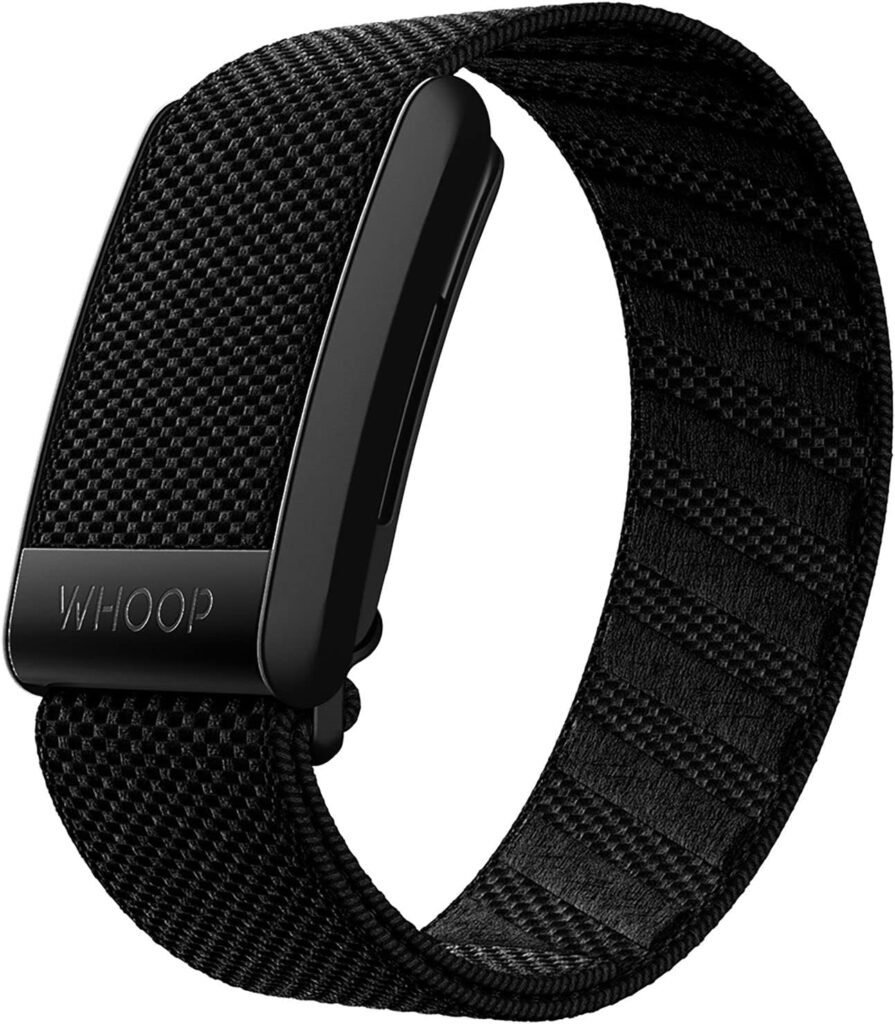
The Whoop 4.0 is engineered for athletes and high-performance lifestyle enthusiasts. Instead of focusing on daytime smartwatch features, Whoop prioritizes recovery, strain, and sleep optimization. The sleep coach analyzes your patterns and tells you exactly when to go to bed based on your planned performance the next day. It also provides highly detailed HRV trends, making it one of the best tools for training, stress management, and recovery tracking.
Key Features
- Advanced Sleep Coach recommendations
- HRV, strain, and recovery scores
- Skin temperature and blood oxygen
- Discreet 24/7 wearable
Pros
- Superb recovery analytics
- Accurate sleep performance tracking
- Lightweight and comfortable
Cons
- Mandatory subscription
- No display or smartwatch features
4. Apple Watch Series 9
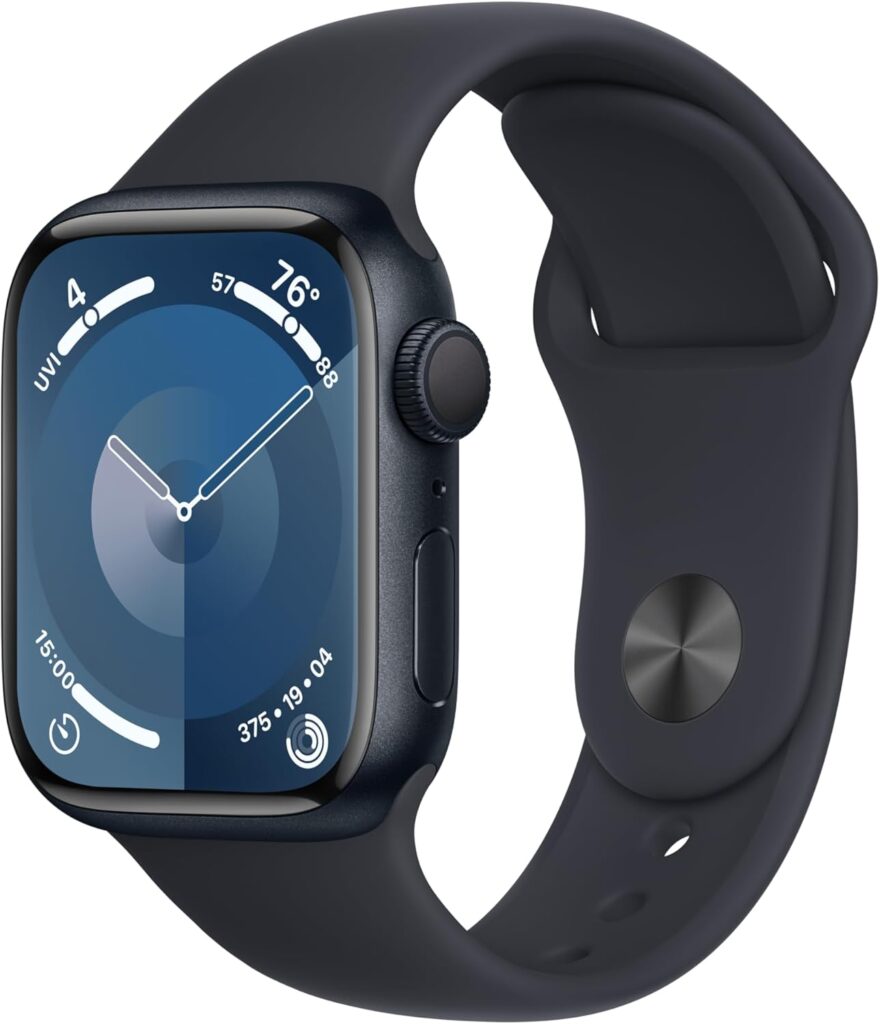
Apple continues to refine its sleep-tracking tools, and the Series 9 does a solid job of providing users with reliable metrics, combined with unmatched innovative features. With overnight HRV, wrist temperature, sleep stages, and respiratory analysis, Apple’s ecosystem delivers a seamless experience, especially for iPhone users.
Key Features
- Sleep stages + HRV & respiration tracking
- Wrist temperature monitoring
- Best-in-class app integration
- 18-hour battery
Pros
- Exceptional app ecosystem
- Highly accurate HRV trends
- Beautiful display and fast performance
Cons
- Battery life is shorter than that of fitness bands
- More expensive than most models
5. Withings Sleep Tracking Pad
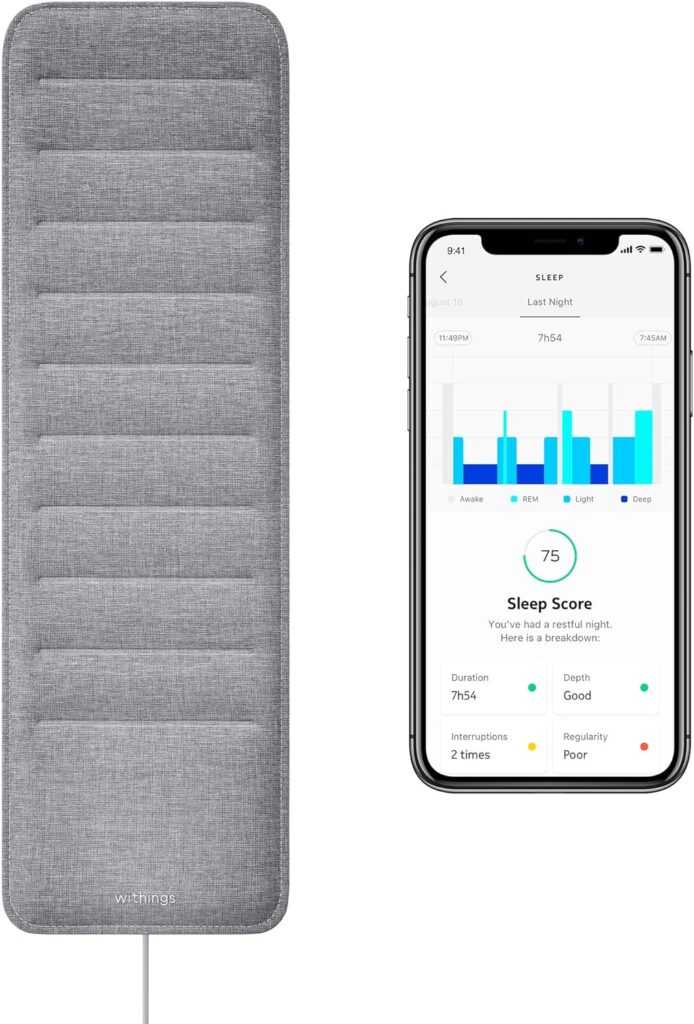
The Withings Sleep Tracking Pad is perfect for users who dislike wearing anything on their body at night. It lies under your mattress and monitors sleep cycles, interruptions, heart rate, snoring, and breathing disturbances. It also integrates with smart-home systems, enabling automation like dimming lights when you lie down.
The data syncs directly with the Withings Health Mate app, known for its clean design and medical-grade accuracy.
Key Features
- Sleep cycle detection
- Snoring and breathing disturbance analysis
- Smart home automation
- Non-intrusive design
Pros
- Zero discomfort
- Strong data accuracy
- Great for couples
Cons
- Not portable
- No daytime tracking
A Comparison Table
Sleep Tracker | Form Factor | Battery Life | Best For | Key Strength |
OuraRing Gen 3 | Ring | 7 days | Precision sleepers | Extremely accurate biometrics |
Fitbit Sense 2 | Smartwatch | 6+ days | Everyday health | Balanced features |
Whoop 4.0 | Strap | 4-5 days | Athletes | Recovery & HRV analytics |
Apple Watch Series 9 | Smartwatch | 18 hrs | iPhone users | Smart features + sleep insights |
Withings Sleep Pad | Under-mattress | Plug-in | Non-wearers | Hands-free tracking |
How Sleep Trackers Work
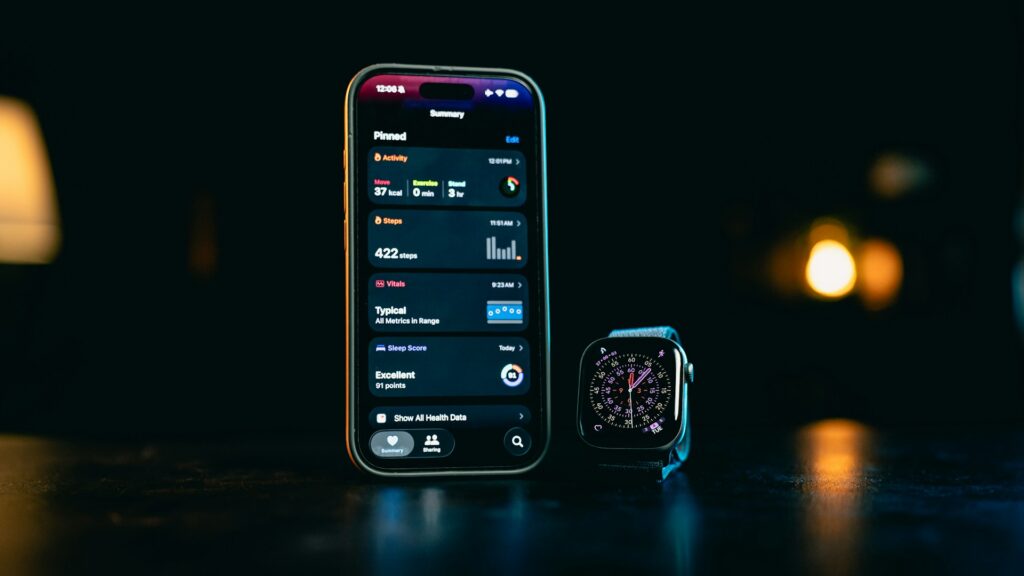
Sleep trackers combine sensors like accelerometers, HRV monitors, and temperature sensors to build a picture of your night. To understand the core technology behind wearables, feel free to check out “How Do Smart Glasses Work?“, which breaks down sensor-based systems similar to those used in tracking devices. You can also explore VR Headsets to see how motion tracking works in immersive environments.
Why Sleep Trackers Matter: What They Can and Can’t Do
Sleep trackers offer valuable insights into your rest, recovery, and overall wellness, helping you feel more informed and reassured about your sleep patterns. Recognizing your strengths and limitations helps you trust the data and make better decisions for your health.
- What They Do Well: Track sleep vs. wake, estimate total sleep time, monitor heart rate/HRV, detect sleep disturbances, and highlight trends over time.
- Where They Fall Short: None are as accurate as polysomnography (clinical sleep lab) for detailed sleep-stage detection, especially transitions between light, deep, and REM sleep.
- Best Use: As trend tools, not diagnostic instruments. Use them to spot patterns (poor sleep nights, stress impact, recovery needs) rather than absolute sleep metrics.
How Sleep Trackers Work: Sensors, Data & Algorithms
Understanding how these devices function helps set expectations. Most rely on a mix of:
- Motion sensors (accelerometers/gyros) to detect movement or inactivity.
- Photoplethysmography (PPG) to monitor heart rate and blood volume changes for HR and HRV.
- Temperature, SpO₂, and sometimes breathing/respiratory rate sensors in advanced devices to monitor your body temperature, measure your blood-oxygen levels, and track how steadily and efficiently you breathe, helping detect sleep disturbances, stress, and overall health changes.
- Proprietary algorithms and machine learning to interpret raw data and estimate sleep stages and recovery metrics.
Because none of these devices monitor brain activity (EEG), their sleep-stage classifications remain probabilistic estimates, useful for trends, but not clinical precision.
Who Should Use a Sleep Tracker: Matching Use Cases to Devices
Here’s a quick guide:
- You want comfort + minimal wearable: Go for Ōura Ring.
- You want one wearable for everything (fitness, notifications, sleep): Fitbit or Garmin makes sense.
- You’re in Apple’s ecosystem and want integration + convenience: Apple Watch is ideal.
- You prioritize recovery and fitness performance: The WHOOP Strap is best suited to you.
- You’re active (workouts, training, sports) and want extended battery + durability: Garmin or WHOOP stand out.
Final Verdict
Sleep trackers have evolved into powerful wellness tools that help you improve your energy, mood, athletic recovery, and long-term health. Whether you prefer a ring like the Oura, a smartwatch like the Fitbit or Apple Watch, or a completely hands-free option like Withings, each device brings a unique set of strengths to the table.
As always, the right choice depends on your lifestyle and how deeply you want to understand your nighttime patterns. Having accurate sleep data has made a massive difference in how I approach rest and productivity, and I believe it will do the same for you, too.