Smart fabrics are no longer confined to sci-fi movies or experimental labs. Instead, e-textiles, textiles embedded with electronic components, are weaving their way into everyday life, offering new ways to monitor, interact, and enhance our experiences. From garments that track physiological data to adaptive materials that respond to environmental conditions, e-textiles merge traditional textiles with cutting-edge technology. But understanding how they work and where they’re genuinely useful can feel confusing without a clear explanation.
In this guide, I’ll walk you through what e-textiles are, how smart fabrics function, the range of applications they support, and the challenges they still face. Along the way, you’ll see how they relate to other wearables like fitness trackers, helping you frame e-textiles not just as a novelty, but as part of a broader connected ecosystem. By the end, you’ll have a grounded and practical sense of both the promise and the reality of smart fabrics.
What Are E-Textiles?
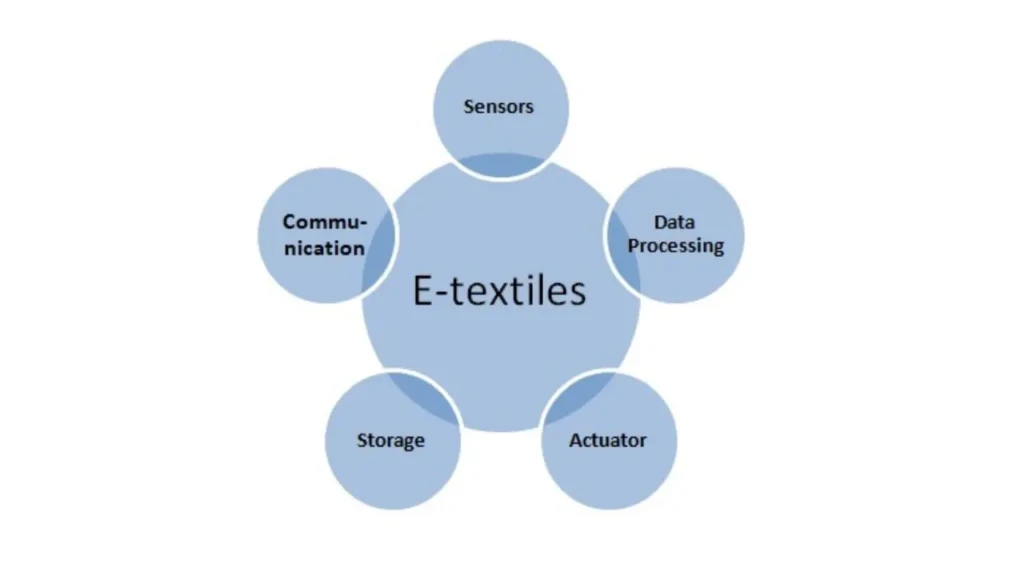
At their most basic, e-textiles are fabrics that incorporate electronic elements such as sensors, actuators, and conductive threads. These components are woven, knitted, or integrated into the textile structure itself, creating smart fabrics that can sense, react, or communicate with other devices. Unlike traditional wearables, like armbands or watches that attach externally, e-textiles are inherently part of the garment, offering comfort and unobtrusiveness.
In essence, e-textiles are the bridge between clothing and technology: enabling garments to sense and respond to the wearer or environment in ways conventional textiles cannot.
How E-Textiles Work
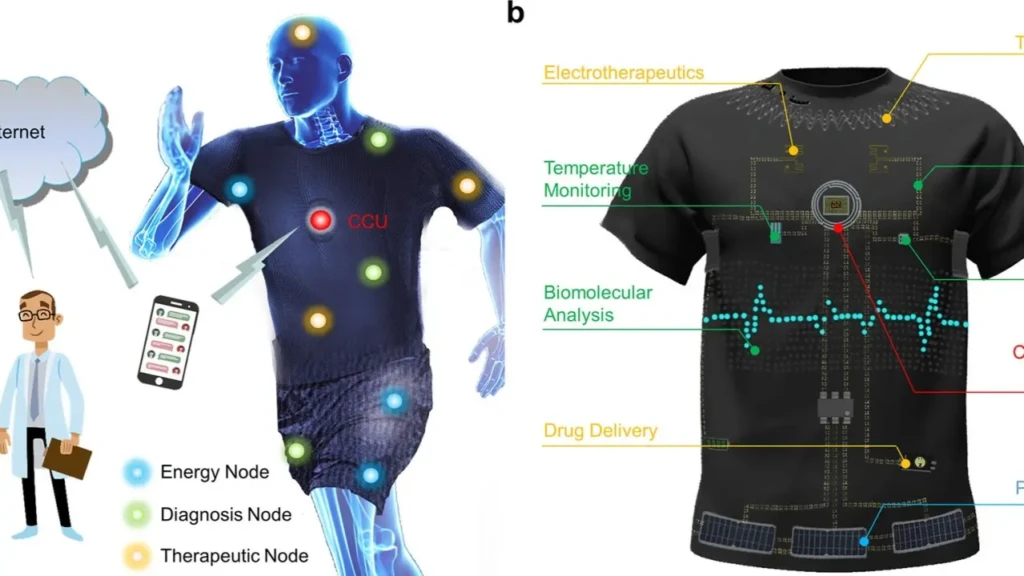
To appreciate the potential of e-textiles, it helps to understand the core building blocks that make them “smart.”
Conductive Fibers and Yarns
Instead of insulating fibers found in everyday clothing, e-textiles often use conductive threads made from metals or polymers. These act like tiny wires within the fabric, carrying electrical signals without compromising flexibility.
Embedded Sensors and Electronics
Smart fabrics may contain sensors that detect motion, temperature, pressure, or physiological signals such as heart rate. These sensors are usually connected to small, flexible circuits that interpret raw data.
Power Sources and Connectivity
Unlike detachable wearables that have bulky batteries, e-textiles often rely on lightweight power systems, sometimes rechargeable or even harvested from movement or body heat. Connectivity modules (such as Bluetooth) are embedded to communicate with smartphones, watches, and other devices.
Data Collection and Transmission
Once data is captured by e-textile sensors, it is transmitted to companion apps or platforms for interpretation. This makes e-textiles a backend element of a broader connected device ecosystem, similar to how a fitness band streams data to an app.
Together, these components allow e-textiles to sense, communicate, and interact in ways conventional textiles cannot.
Types of E-Textiles
E-textiles can be broadly categorized based on how active or interactive they are:
Passive E-Textiles
These contain sensing elements but do not actively respond or adapt. For example, a fabric that tracks motion during physical activity.
Active E-Textiles
These can react to stimuli. For instance, a garment that changes temperature based on weather or physiological feedback.
Ultra-Smart Textiles
The most advanced category, ultra-smart textiles, integrates complex electronics for real-time feedback, machine communication, or environment sensing, sometimes blending with artificial intelligence.
Understanding these classes helps clarify why some fabrics simply collect data while others interact dynamically with users.
Key Features and Capabilities of E-Textiles
E-textiles bring several compelling features to the table:
Sensing Capabilities
Smart fabrics can detect:
- Movement and posture
- Temperature changes
- Heart rate and respiration
- Pressure variations
Data Feedback and Interactivity
In more advanced implementations, e-textiles provide real-time feedback or adjust based on inputs. For example, pressure-sensitive fabric can alert users to changes in posture.
Flexibility and Comfort
Because sensors and conductive elements are often woven directly into the textile, smart fabrics maintain flexibility and comfort, unlike rigid wearables.
Durability and Washability
While traditional electronics are delicate, e-textiles are designed to withstand normal garment care, though washability varies by design and must be considered when using the product.
These capabilities allow e-textiles to serve diverse roles, from health monitoring to fashion innovation.
E-Textiles In Healthcare and Fitness
One of the most promising areas for e-textiles is health monitoring. By being part of what people wear, smart fabrics can gather data continuously without requiring separate devices.
Wearable Health Monitoring
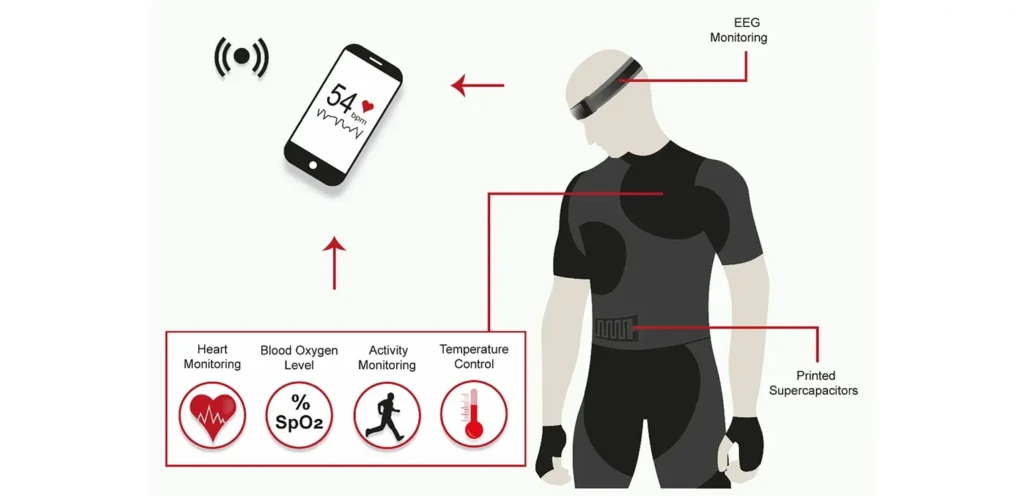
E-textiles can collect metrics like:
- Heart rate
- Respiratory patterns
- Muscle activation
This continuous data stream can support early anomaly detection or provide objective insights during rehabilitation.
Rehabilitation And Physical Therapy
Therapists can use e-textiles to monitor progress and ensure movements are performed correctly, especially when the patient is outside the clinic.
Fitness Tracking
While fitness trackers like those featured in our fitness bands compared guide excel at movement and heart rate tracking, e-textiles can complement them by embedding measurement directly into workout clothing, offering a more seamless experience.
In contexts where long-term monitoring matters, e-textiles can serve as a comfortable and precise data source.
E-Textiles In Fashion and Consumer Wearables
The intersection of style and technology has produced compelling fashion-tech collaborations. Designers and technologists are exploring garments that:
- Change color or pattern based on environmental cues
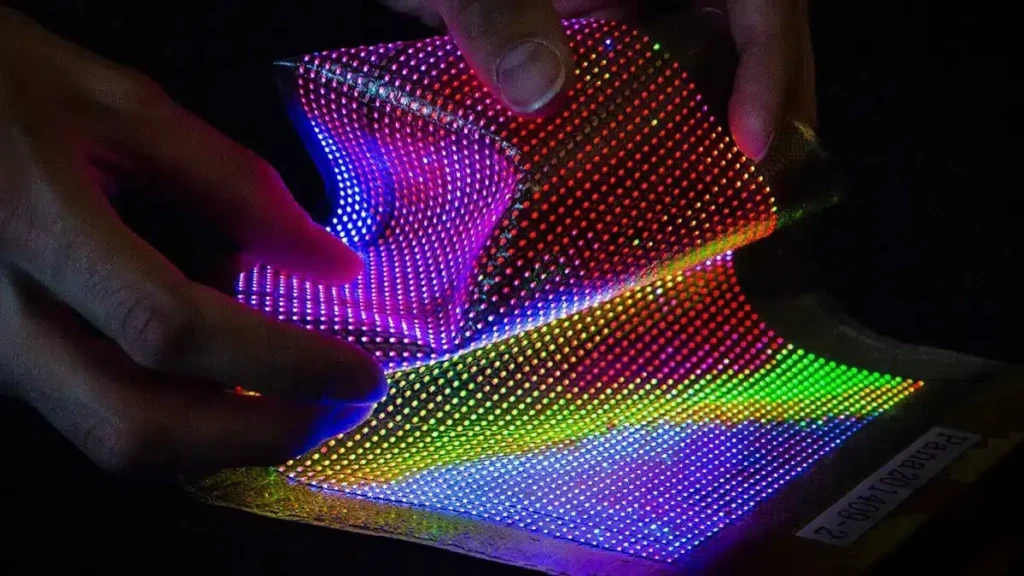
- Light up or display information
- Sync with mobile apps for personalized experiences
From runway showcases to limited consumer releases, e-textiles are pushing the boundaries of how garments express identity and function.
Prototypes often combine aesthetics with function, but commercial adoption is growing as production and materials mature.
E-Textiles In Sports, Military, and Industrial Use
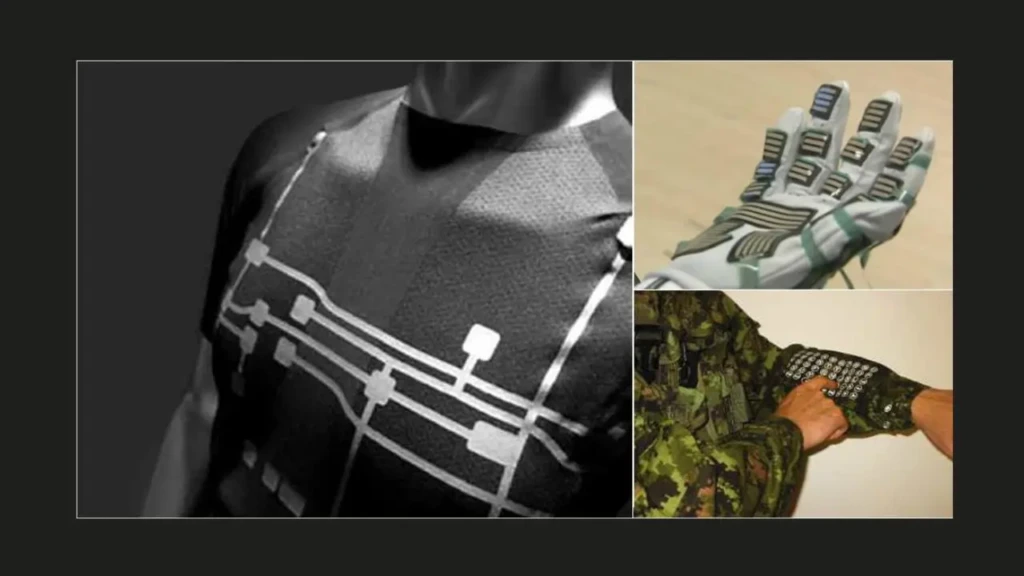
Smart fabrics are not limited to casual use; they’re gaining real traction in specialized domains:
Sports and Performance Monitoring
Athletes can benefit from precise, continuous feedback. Smart sleeves or shirts can track muscle fatigue, gait, or stress, data that can influence training decisions.
Military Applications
Here, e-textiles serve functions such as body monitoring, adaptive camouflage, and environmental sensing, which are critical in demanding conditions where traditional wearables might be impractical.
Industrial Safety
Workers in hazardous environments can wear e-textiles that monitor proximity, temperature extremes, or physical strain, providing alerts before dangers escalate.
These high-value applications underscore the practical utility of smart fabrics beyond consumer novelty.
Advantages of E-Textiles
E-textiles offer several notable benefits:
- Seamless integration into daily routines
- Continuous data collection without bulky devices
- Enhanced comfort over some external wearables
- Potential for personalization and adaptive response
This positions e-textiles as a compelling alternative or complement to standalone devices, such as traditional wearables.
Limitations and Challenges of E-Textiles
Despite their promise, smart fabrics face real challenges:
Cost and Scalability
Incorporating electronics into fabrics drives up costs, making some products prohibitive for everyday use.
Durability and Maintenance
Although designed for wear, e-textiles require careful engineering to maintain washability and longevity without compromising sensor performance.
Power Supply Limitations
Flexible power sources that are safe, lightweight, and long-lasting remain a key bottleneck.
Privacy and Data Security
Like all connected devices, smart fabrics that transmit personal data need robust encryption and privacy protections to ensure user trust.
Understanding these limitations helps set realistic expectations for both consumers and industry adopters.
E-Textiles Vs Traditional Wearable Devices
To illustrate how smart fabrics compare with conventional wearables like smartwatches and fitness bands, consider the following table:
Feature | E-Textiles | Fitness Trackers | Smartwatches |
Comfort | High | Moderate | Moderate |
Seamless Integration | Excellent | External | External |
Sensor Accuracy | Variable (growing) | Good | Very Good |
Functionality | Context-specific | Movement/HR focused | Broad app ecosystem |
Power Source | Embedded/flexible | Rechargeable | Rechargeable |
While smartwatches and fitness bands often offer broader ecosystems and mature app support, e-textiles provide contextual comfort and integration that can enhance user compliance and long-term wear.
The Future of E-Textiles
The horizon for e-textiles is bright as materials science and flexible electronics evolve. Future developments may include:
- Ultra-lightweight power harvesting
- Machine learning built into the fabric itself
- Personalized adaptive response systems
- Greater mainstream adoption in everyday clothing
As supply chains and manufacturing techniques mature, smart fabrics may become as ubiquitous as the wearables you read about in our kids smartwatches overview, part of daily life rather than a specialized niche.
Final Thoughts
E-textiles represent a compelling evolution in wearables, anchoring sensors and intelligence right into the fabrics we wear. From healthcare and sports to fashion and industrial safety, smart fabrics have the potential to change how we think about clothing and how we interact with technology. While challenges remain, advances in materials science, flexible electronics, and cloud connectivity suggest that e-textiles will continue to mature into practical tools applicable across everyday and specialized contexts.
Whether you’re curious about personalized health monitoring or want to understand how technology is becoming literally woven into our lives, understanding e-textiles gives you a sense of where wearables and smart systems are headed. And as these systems scale alongside conventional wearables and smart devices, I believe they’ll become a core part of how we interface with the connected world around us.
FAQs
Yes. When properly designed and tested, smart fabrics are safe. Components are engineered to avoid skin irritation or electrical hazards.
Many e-textiles are designed for normal laundering, but care instructions vary by product; always follow manufacturer guidelines.
Not necessarily, they complement them. Fitness bands offer mature dashboards and app ecosystems, while e-textiles focus on embedded sensing.
Durability depends on use and construction. With proper care, smart fabrics can last through regular wear cycles.