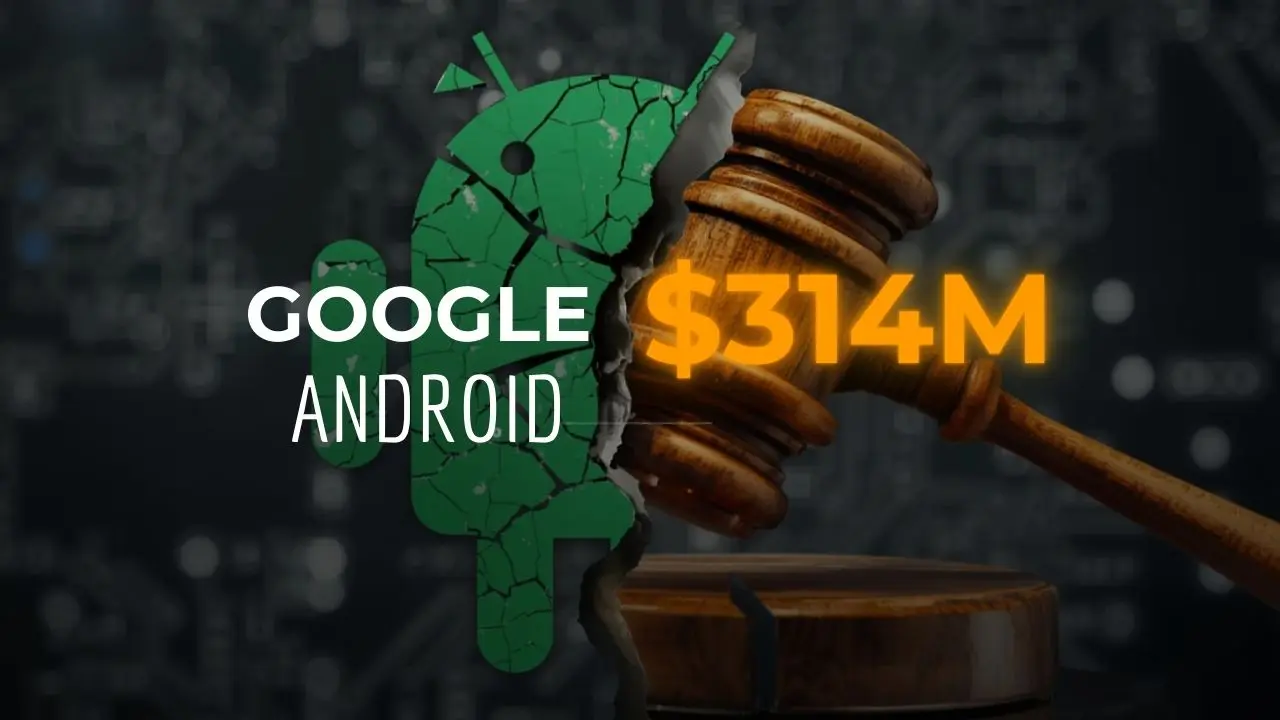
In a significant development that’s reverberating through the tech industry, a California jury has ordered Google to pay over $314 million after finding that the company misused Android users’ cellular data without their permission. The lawsuit centered on allegations that Android devices were designed to send certain system information to Google using cellular networks, even when phones were idle, burdening users’ data plans and violating their rights under state law.
This verdict follows a long-running class-action lawsuit filed in 2019 and underscores growing concerns over data privacy and user consent in mobile operating systems. I’ll break down what happened, why it matters, and what the verdict could mean for Android users and the broader tech landscape.
What the Lawsuit Alleged
The class-action complaint argued that Google’s Android operating system caused phones to transmit small amounts of users’ cellular data to Google for its own purposes, such as analytics and targeted advertising, even when devices were idle or apps were closed. According to the plaintiffs, these transmissions occurred without clear user consent and consumed portions of users’ paid cellular data allowances.
Legally, the plaintiffs framed this issue as a conversion of users’ property, treating mobile data allowances as a valuable resource that Google wrongfully used. The claim alleged that the data transfers could have been deferred until devices were connected to Wi-Fi, minimizing cellular charges for users. Still, Google elected to route them over paid data.
The Jury Verdict and Its Rationale

In mid-2025, a jury in San Jose, California, found Google liable and awarded more than $314.6 million to the class of Android users affected in the state. The jury agreed with the plaintiffs that Google’s conduct amounted to improper use of users’ cellular data, effectively using it for the company’s benefit without meaningful consent.
In response, Google said it disagreed with the verdict and planned to appeal. It maintained that such background data exchanges are essential to system operations for security and performance. The company also stated that users consent to those practices via terms of service and privacy disclosures.
Why This Verdict Matters
The decision highlights key issues around data privacy, consent, and transparency on mobile platforms. In a smartphone ecosystem where so much happens behind the scenes, syncing, telemetry, diagnostics, and network state checks, courts are being asked to weigh in on how much control users really have over their own data and whether they should be compensated when that control is bypassed.
This case is significant for several reasons:
- It reinforces the idea that users’ cellular data plans, and the associated megabytes, are a form of property.
- It adds pressure on major tech companies to clarify consent and system behaviors in ways that users can truly understand.
- It could set a precedent for similar claims nationwide, including a related federal case expected to go to trial in 2026.
Comparison: Android Cellular Lawsuit vs Other Tech Legal Battles
Case | Issue Alleged | Outcome / Status | Broader Impact |
Google Android Cellular Data Lawsuit | Unauthorised use of users’ cellular data by the Android OS | $314.6 Million verdict (Google to appeal) | Raises privacy/consent standards |
Antitrust Suit Over Google Android App Ecosystem | Monopoly concerns over app distribution and in-app payments | $700M settlement proposal (nationwide) | Competition & fee structures in app stores |
Google Ad Tech Antitrust & Privacy Litigation | DOJ and states on search & ad dominance | Ongoing complex federal cases | Impacts digital ad markets |
This table places the cellular data verdict in context, showing it isn’t happening in isolation, but alongside broader scrutiny of how Google manages user data, platform control, and competition.
Potential Impact for Android Users
If you’re an Android user, especially if you lived in California and used an Android device on a cellular plan sometime since 2016, you might be considered part of the certified class. While per-person payouts may not be huge, the collective verdict sends a clear message: tech companies can be held accountable for hidden data practices that affect users’ bills and privacy.
In the technology world, data privacy isn’t only about who collects data. It’s also about how and when it’s collected, especially if that collection impacts users financially or without clear consent. This verdict echoes other consumer tech concerns, such as warnings in apps or in smartphone usage areas.
Just as we stay vigilant about malware or phishing, you can also stay informed about how your device uses network connections, data, and background services. In the past, we’ve looked at risks like phone behavior alerts in our FBI warning for smartphone users article.
Broader Privacy & Tech Landscape
Today’s legal environment for consumer tech isn’t just about isolated cases. It’s part of a broader shift in how digital privacy, machine learning, and system design are regulated and litigated. For instance, as quantum computing advances, new computing paradigms could influence how data is processed, encrypted, and shared across systems, raising future questions about security and user rights.
Meanwhile, debates over digital platforms and user protection continue across contexts, such as whether popular apps face regulatory challenges or bans in certain jurisdictions, as we explored in Is CapCut Getting Banned?
Privacy and transparency are central themes across all of these developments. This is why the cellular data lawsuit may signal that users and courts are increasingly unwilling to accept opaque system behavior simply because it is “standard practice.”
What Happens Next
Google has indicated it plans to appeal the verdict, arguing that the jury’s interpretation misunderstands key Android system functions. At the same time, similar claims are progressing in federal court on behalf of users outside California, with a trial scheduled for 2026.
Given the billions of Android users worldwide, widespread litigation and legislative or regulatory responses could follow. Whether that leads to tighter standards for how operating systems handle background data or improved user controls remains to be seen.
Conclusion
The $314.6 million verdict against Google in the Android cellular data lawsuit is a noteworthy moment in the ongoing conversation about data privacy, consent, and corporate responsibility. It shows that even long-standing system behaviors can be scrutinized legally if they impact users’ resources or rights, and that tech giants may need to be more transparent about how their tools operate in the background.
As a smartphone user, it’s worth paying attention to how your device interacts with your networks and data plans, especially as cases like this evolve and new legal precedents form. I’ll be watching how the appeals and nationwide cases unfold. Also, I hope this article helps you understand what this ruling means for Android users and the broader tech landscape.