Smart bulbs have become one of the most popular entry points into smart home technology because they combine energy efficiency, convenience, and advanced control in a single affordable package. Unlike traditional LED or incandescent bulbs, smart bulbs can be controlled remotely, adjusted for color and brightness, and integrated with other smart devices to create automated systems that enhance daily life. Whether you are automating your living room lighting to match your morning routine or creating dynamic scenes that sync with other smart devices, smart bulbs are a foundational smart home product.
This guide takes a deep dive into what smart bulbs are, how they work, the key features to consider, and how to choose the right ones for your space. I’ll also share practical insights and explain how smart bulbs fit into broader connected-home contexts, such as automation with smart locks and other smart devices.
What Is a Smart Bulb?
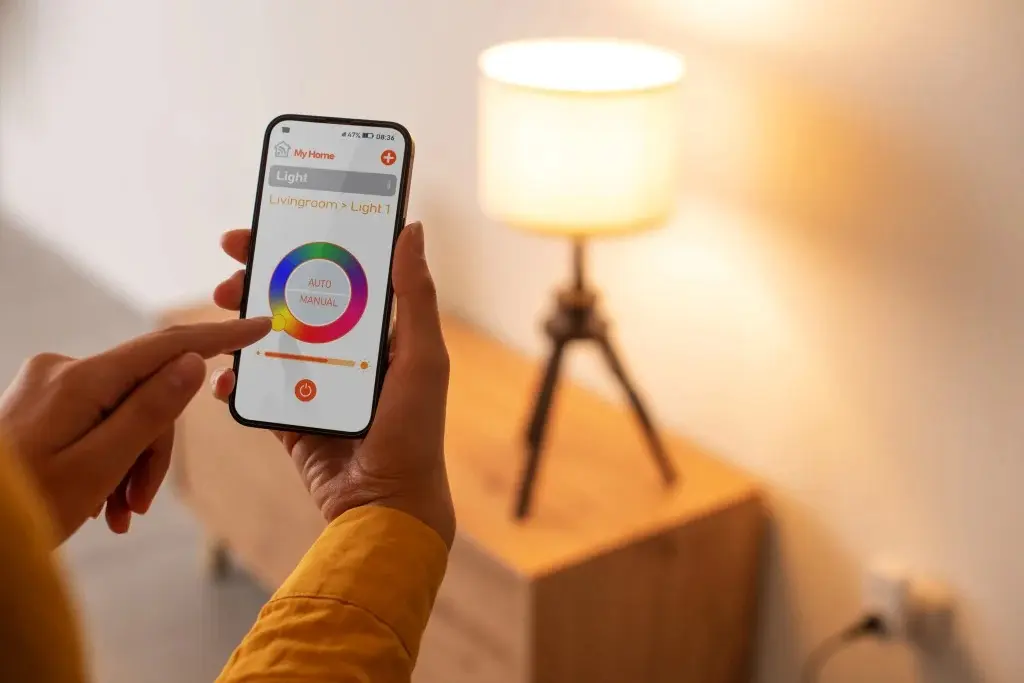
A smart bulb is a light bulb that connects to your home network, allowing you to control it remotely via a smartphone app, voice assistant, or smart home hub. This connectivity enables advanced functionality, such as scheduling, dimming, color-changing, and automation triggered by routines or events.
Whereas a traditional bulb simply turns on or off (and sometimes dims), smart bulbs extend functionality by offering intelligent control that fits into your broader ecosystem of connected devices. They typically deliver energy-efficient LED lighting, augmented by digital control layers that provide flexibility, customization, and convenience.
Authoritative sources, such as industry overviews from Consumer Reports, note that smart lighting is among the fastest-growing segments of home automation due to its blend of practicality and customization.
How Smart Bulbs Work
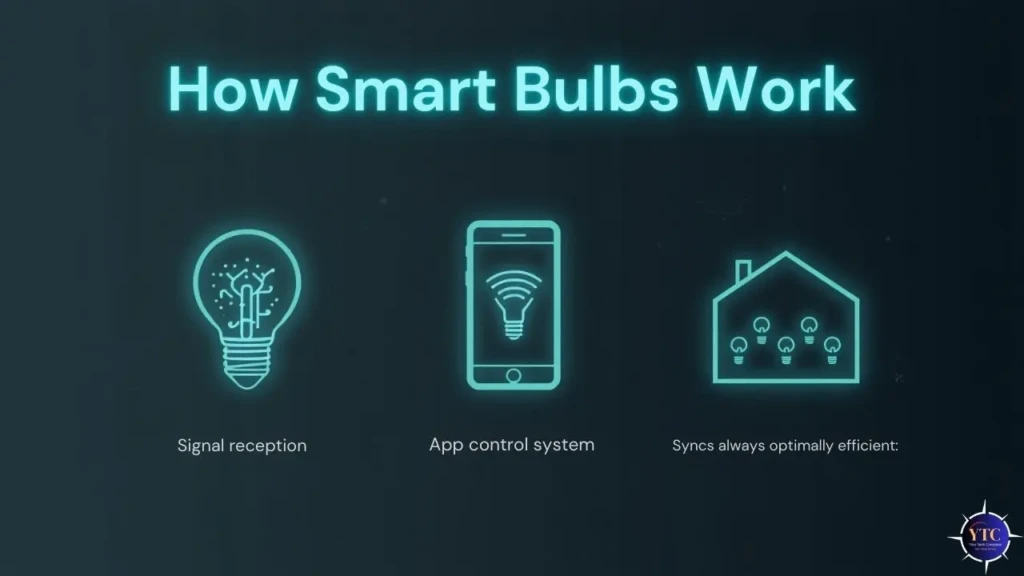
Smart bulbs generally rely on one of several wireless technologies to communicate with controller devices and networks:
- Wi-Fi: Offers direct internet connectivity without intermediaries, enabling remote access from outside the home.
- Bluetooth: Provides local connectivity and direct control from a nearby smartphone.
- Zigbee / Z-Wave: Low-power mesh networking protocols often used in larger smart home setups via hubs like SmartThings or Hubitat.
- Matter: An Emerging standard designed to unify smart devices across ecosystems reliably.
These connectivity methods often dictate how smart bulbs integrate into your setup. Wi-Fi and Bluetooth smart bulbs connect directly to your home network or phone, while Zigbee / Z-Wave bulbs typically require a hub. The Matter protocol, which is gaining adoption faster, enables interoperability across major platforms like Alexa, Google Assistant, and Apple HomeKit.
Once connected, smart bulbs can respond to app commands, voice instructions, and automation routines. For example, a smart bulb might dim automatically when you begin a movie or turn on when a motion sensor detects movement in a room.
Types of Smart Bulbs
Smart bulbs come in several varieties, depending on your lighting and ambiance needs:
- White Smart Bulbs: Provide adjustable brightness with a single white color output.
- Tunable White Bulbs: Allow adjustment of color temperature from warm to cool white.
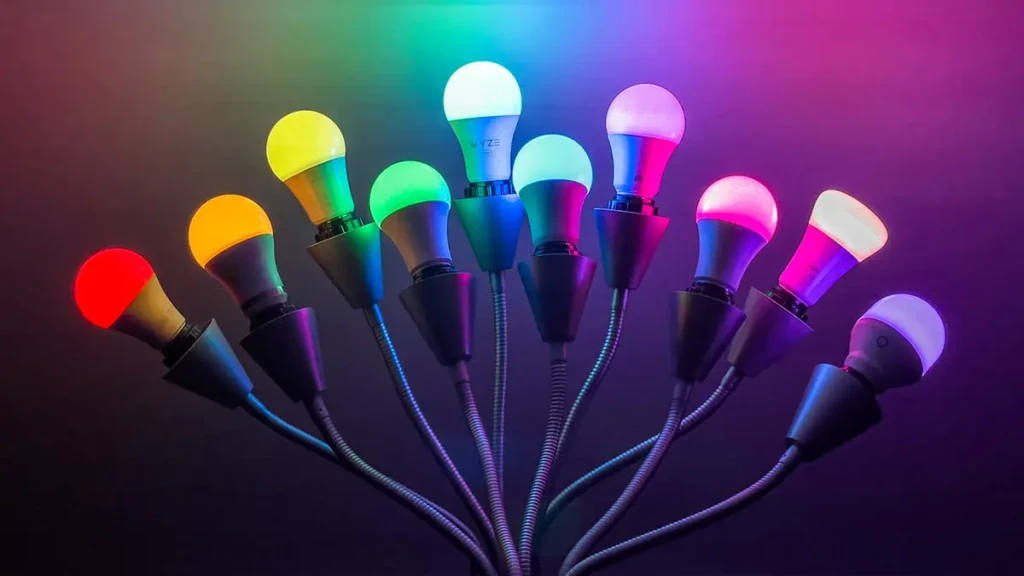
- RGB Color Smart Bulbs: Offer a full range of colors for mood lighting and creative scenes.
- Smart Filament Bulbs: Combine vintage aesthetics with smart control, often preferred for decorative fixtures.
Different environments call for different bulb types. For example, a tunable white bulb is ideal for workspaces where light temperature impacts focus, whereas RGB bulbs excel in entertainment areas.
Key Features to Look for in a Smart Bulb
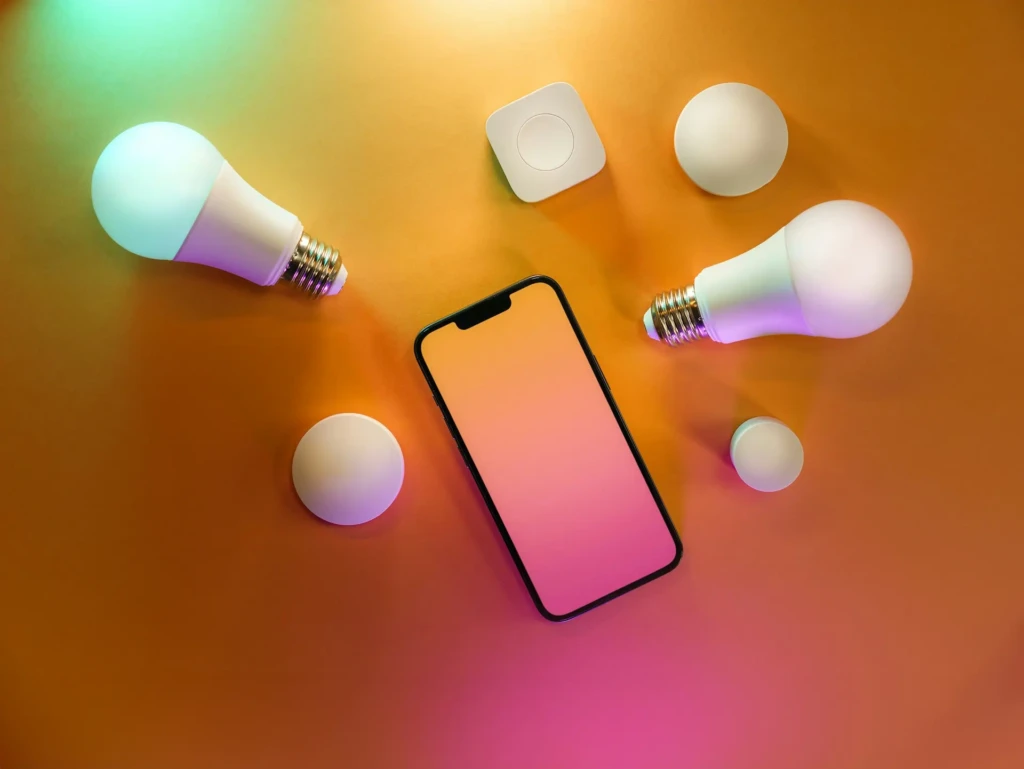
When choosing among the best smart bulbs, the following features will define the quality and utility of your purchase:
- Brightness (Lumens): Determines how much light the bulb emits; higher lumens mean brighter light.
- Color Temperature and Range: Influence ambiance; tunable white and RGB bulbs offer greater flexibility.
- Dimming and Scenes: Enables precise control over light levels and preset lighting scenes for routines.
- Scheduling and Automation: Let bulbs turn on/off or change settings at specific times or in response to triggers.
- Smart Home Integration: Compatibility with Alexa, Google Assistant, Apple HomeKit, and platforms that support routines, such as linking lighting behavior with entry events from a smart lock or motion sensor.
For example, integration with routines, as described in how smart home devices work together, unlocks more advanced capabilities, such as lights turning on automatically when your smart lock disengages upon your arrival.
Smart Bulb Compatibility and Setup
Before buying smart bulbs, ensure compatibility with your existing setup:
- Socket Types: Common base types include E26/E27 (standard screw) and GU10 (twist-and-lock).
- Hub vs. Hub-Free: Some smart bulbs work independently via Wi-Fi or Bluetooth, while others require a hub for full functionality.
- Voice Assistant Integration: Confirm whether the bulbs work with Alexa, Google Assistant, or Apple HomeKit, depending on your ecosystem.
- Setup Steps: Most smart bulbs involve screwing in the bulb, installing the manufacturer’s app, connecting to Wi-Fi or Bluetooth, and, optionally, adding it to a smart home hub or a routine library.
Integration with broader smart systems, such as smart switches, can also influence how you design routines and control your lighting across zones.
Smart Bulb Pros and Cons
The Pros
- Convenience: Remote access and intelligent control without physical switches.
- Energy Efficiency: LED technology minimizes power consumption.
- Customization: Wide range of light temperatures, brightness, and colors.
- Automation: Supports routines based on time, presence, or smart triggers.
The Cons
- Upfront Cost: Typically more expensive than traditional bulbs.
- Connectivity Dependence: Wi-Fi or hub requirements add complexity.
- Compatibility Limitations: Not all bulbs work with every ecosystem or protocol.
Smart Bulb vs Smart Switch
Smart bulbs are ideal for individual light control, customizable colors, and scene creation. However, they are tied to smart switches, which control power to the fixture. When a smart switch cuts power to a smart bulb, it may limit remote control unless the switch itself is automation-aware.
In many smart homes, bulbs and switches work together: bulbs provide nuanced control and color/brightness, while smart switches offer group control and reduce reliance on mobile apps or routines.
Who Should Use Smart Bulbs?
Smart bulbs are well-suited for:
- Renters: Easy to install without modifying electrical wiring.
- Homeowners: Adds automation layers to daily routines.
- Smart Home Beginners: Provides an accessible entry point to automation.
- Accent & Mood Lighting Users: Great for creative and adaptive lighting scenarios.
Common Smart Bulb Mistakes to Avoid
To get the most out of smart bulbs:
- Avoid using traditional wall switches that cut power unless the switch is configured to maintain connectivity.
- Confirm ecosystem compatibility before purchase (Alexa, Google, or HomeKit).
- Don’t overcomplicate automation; start with simple schedules and expand progressively.
Smart Bulb Comparison Table
Feature | Smart Bulb Type | Best Use Case |
High Brightness | White & Tunable White | Everyday lighting & workspaces |
Dynamic Ambiance | RGB Color | Entertainment & creative scenes |
Vintage Aesthetic + Smart Control | Smart Filament | Decorative spaces |
Hubless Remote Access | Wi-Fi/Bluetooth Bulbs | Direct app/voice control |
Mesh Network Automation | Zigbee/Matter Bulbs (via hub) | Large smart systems with triggers |
Final Verdict: Are Smart Bulbs Worth It?
Smart bulbs bring together convenience, customization, and smart home integration in ways traditional bulbs can’t. They are not only functional as lighting solutions but also serve as important components in automation routines, particularly when paired with other devices like smart switches or locks (as in our smart lock guide and best smart locks reviews). Whether you are enhancing mood lighting, improving energy efficiency, or creating advanced scene automation, smart bulbs are an accessible and flexible solution.
Personal Verdict: After evaluating setup complexity, ecosystem compatibility, and real-world utility, I find that smart bulbs are one of the most practical and impactful smart home purchases. They offer a smooth upgrade path from basic lighting to automated, intelligent environments that truly enhance daily living, and they play exceptionally well with other smart devices when configured thoughtfully.
FAQs About Smart Bulbs

Yes, many bulbs support Bluetooth for local control, though full remote access usually requires Wi-Fi or a hub.
Yes, but cutting power via a traditional wall switch can disable smart features unless you use smart switches or automation-aware controls.
For most smart home users, the combination of customization, energy savings, and automation makes them a worthwhile upgrade.
At Your Tech Compass, we publish detailed tech guides, reviews, and comparisons to help users choose the right devices and tools.