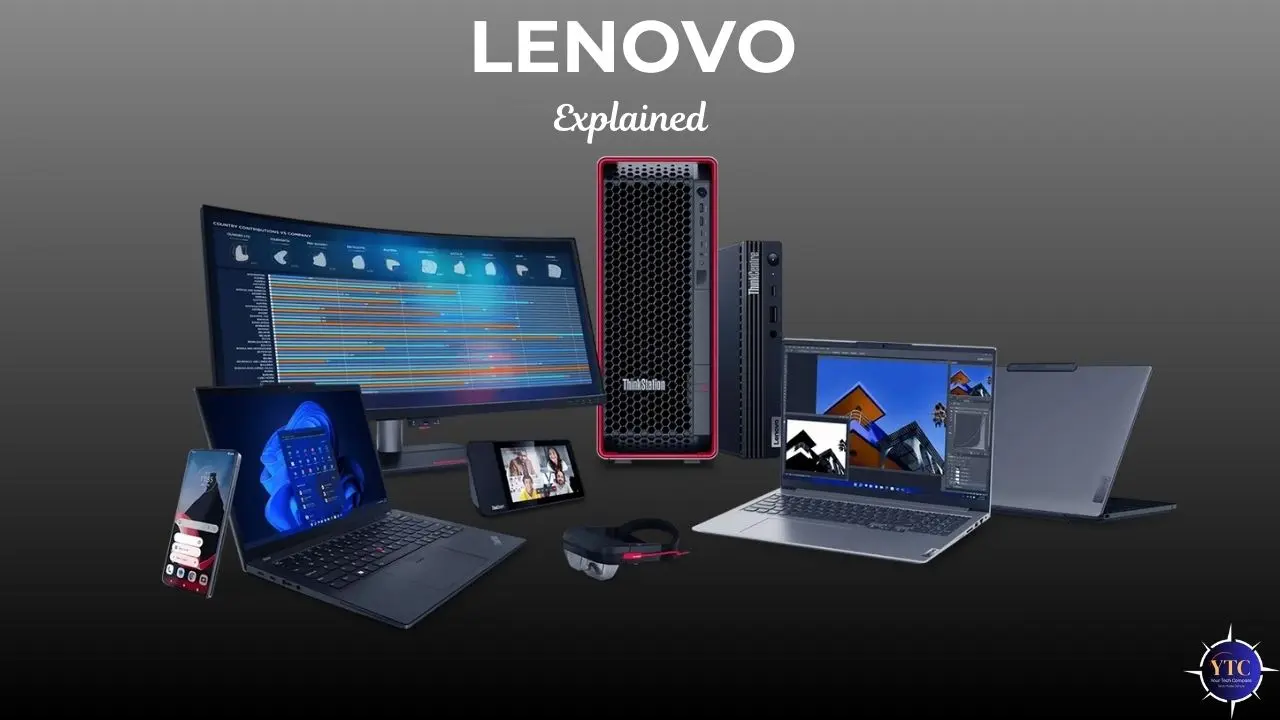
When people talk about laptops and computers that balance performance, reliability, and price, Lenovo inevitably comes up near the top of the conversation. As a global technology company, Lenovo doesn’t just make laptops; it produces a wide range of devices and solutions for consumers, businesses, and enterprises. From everyday productivity machines to rugged business workhorses and capable gaming rigs, Lenovo’s product ecosystem spans diverse needs and budgets. Whether you’re comparing brand strengths before a purchase or trying to understand how Lenovo stacks up against other major names in computing, this article will walk you through the essentials of what Lenovo is known for and why it matters.
In this guide, we’ll explore Lenovo’s history, its key product lines (including laptops, desktops, and tablets), how its design and performance philosophies play out across devices, and where Lenovo stands in comparison to competitors. I’ll also help you see where Lenovo fits into common buying considerations, whether you’re looking at alternatives like the models in our best ASUS laptops guide or premium lightweight options, such as in our MacBook Air M4 review guide or MacBook Air M3 review guide, so that you can make a confident choice based on your needs.
What Is Lenovo?
Lenovo is a multinational technology company known primarily for its computers, laptops, and related devices. Headquartered in Beijing and Morrisville, North Carolina, Lenovo emerged as one of the world’s largest PC manufacturers through strategic acquisitions and consistent market presence. In fact, Lenovo has held top spots in global PC shipment rankings, competing directly with brands like HP, Dell, and Apple.
While its footprint extends into servers, data center solutions, and smart devices, Lenovo’s most visible products are its consumer and business PCs. This breadth, with offerings ranging from budget laptops to enterprise workstations, makes Lenovo a versatile brand for many types of users.
Lenovo’s Product Ecosystem
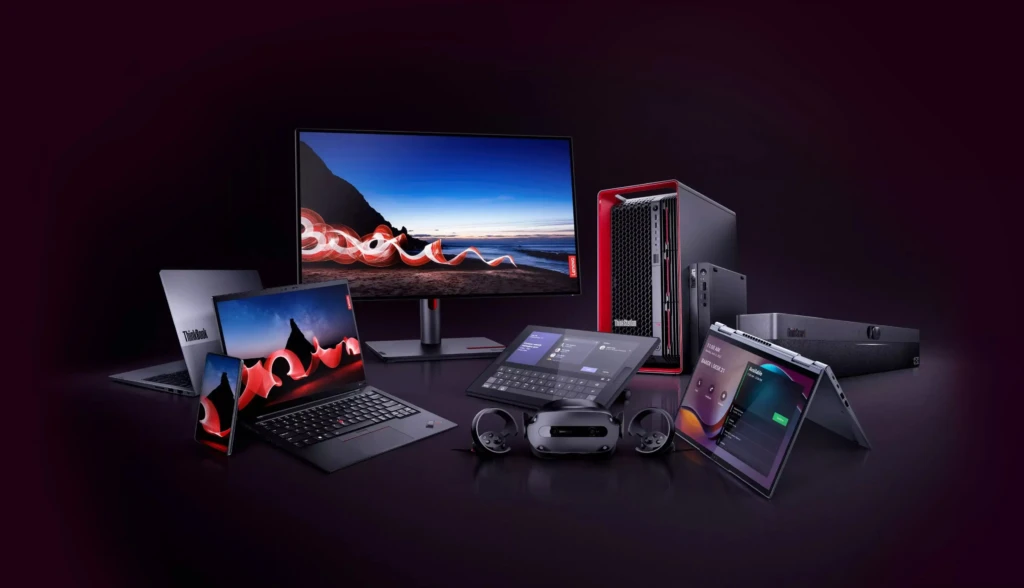
Lenovo has built a broad product ecosystem that serves different segments of technology users. The major categories include:
- Laptops (consumer, business, gaming)
- Desktops and All-in-One PCs
- Tablets and 2-in-1 devices
- Workstations and Servers
- Accessories (monitors, docking stations, keyboards)
Although Lenovo’s non-PC products are important, its laptops remain the core of the brand identity, especially in markets dominated by portable computing. Across its laptop families, Lenovo aims to provide options that fit learners, professionals, creatives, and gamers alike.
Lenovo Laptop Lines Explained
Lenovo’s laptop lineup is diverse, and understanding the purpose behind each series makes choosing the right device clearer.
ThinkPad Series
The ThinkPad line is Lenovo’s business and professional backbone. Known for its iconic black design, excellent keyboards, and build quality, ThinkPads are widely used in corporate environments and by users who prioritize reliability and durability. Features often include strong security options, extended lifecycle support, and certifications for enterprise deployment.
IdeaPad Series
The IdeaPad series targets mainstream consumers and students. These laptops strike a balance between performance and affordability for everyday tasks such as web browsing, office productivity, media consumption, and casual gaming. They are typically lighter and less expensive than business-oriented ThinkPads.
Legion Gaming Laptops
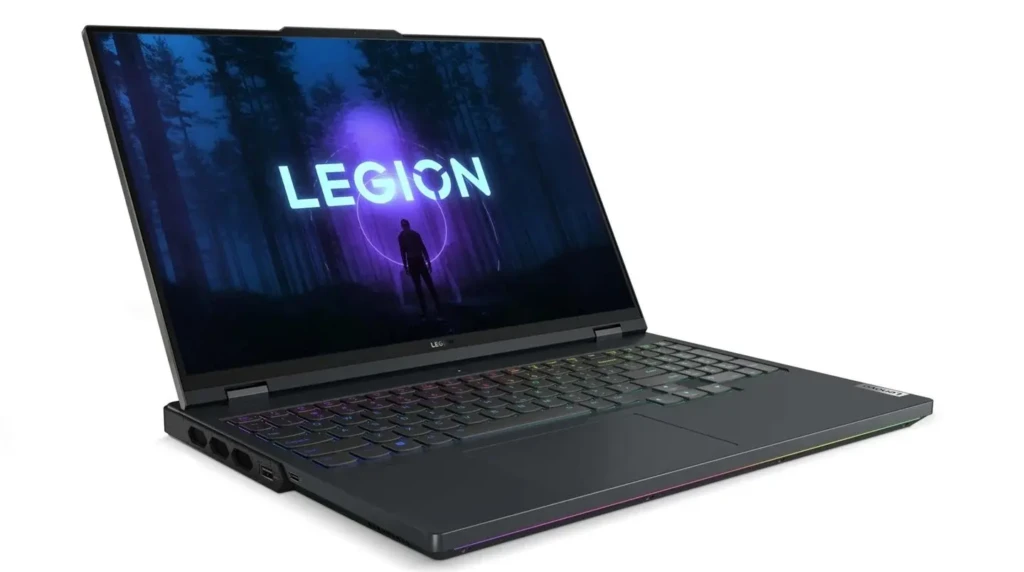
Lenovo’s Legion line focuses on gaming performance, with hardware configurations optimized for graphics, cooling, and responsiveness. Although budget gaming machines like the Acer Nitro 5 offer compelling performance in their own right, Legion devices often include premium features such as higher refresh-rate displays and better thermal management.
You can read a detailed look at a value gaming contender in our Acer Nitro 5 review to see how such systems balance performance and cost.
Yoga and 2-in-1 Devices
The Yoga series represents Lenovo’s premium convertible lineup, featuring 360-degree hinges that let you use the laptop as a tablet or in tent mode. These devices are designed for versatile use, creative workflows, and touch-oriented computing.
Lenovo Desktop, Tablet, and Mobile Devices
Although laptops dominate Lenovo’s consumer presence, the company also produces:
Desktops and All-in-One PCs
Lenovo’s desktops range from compact budget boxes for home use to powerful all-in-one systems with integrated displays and minimal cable clutter.
Tablets
Lenovo’s tablets serve both entertainment and productivity needs, often featuring stylus support and detachable keyboards for hybrid use.
Mobile Phones
Lenovo also has a presence in the smartphone market, though availability varies by region, and competition is stiff. In some markets, Lenovo focuses more on its branded sub-lines, such as Motorola.
Lenovo for Business and Enterprise

In enterprise segments, Lenovo’s presence expands beyond consumer systems:
ThinkPad Dominance in Professional Use
The ThinkPad line remains a favorite among businesses for its reliability, strong security features, and long-term support options.
Workstations and Professional Hardware
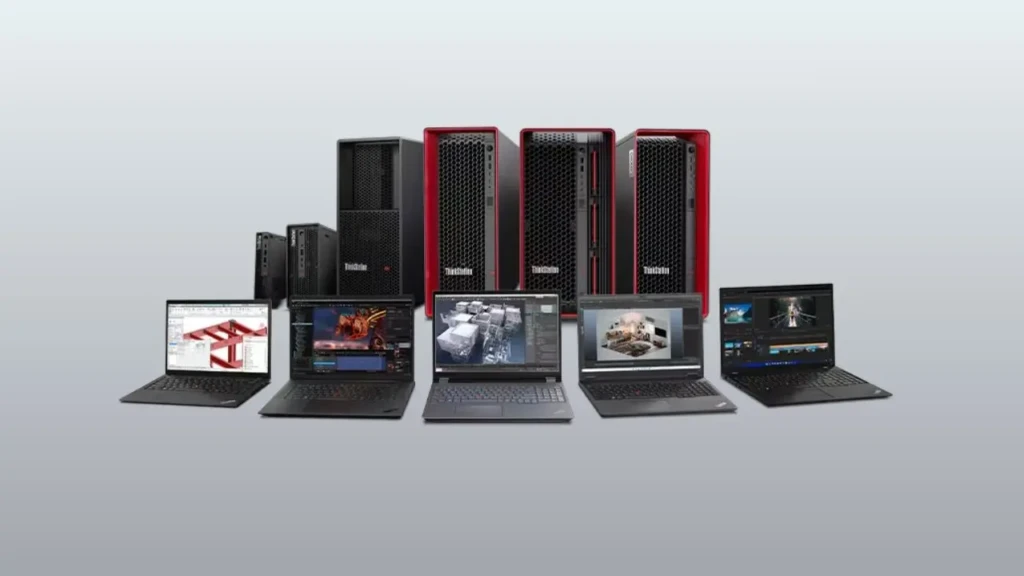
Lenovo’s workstation offerings, under brands like ThinkStation, deliver high-performance configurations for creative professionals, engineers, and data scientists. These machines may be certified for professional software such as CAD, 3D rendering, and scientific computing.
Servers and Data Solutions
Beyond client devices, Lenovo produces servers and data infrastructure solutions that support business computing needs at scale.
Lenovo Build Quality and Design Philosophy
Lenovo products typically prioritize functionality and durability. ThinkPads, for example, are recognized for their robust build quality and excellent keyboards, which are often tested to military durability standards. IdeaPads, while more consumer-focused, still maintain a thoughtful design that balances weight and affordability.
Across product lines, Lenovo tends to emphasize:
- Ergonomics
- Keyboard comfort
- Practical port options
- Thermal efficiency
This ethos sets Lenovo apart from manufacturers that prioritize ultra-thin aesthetics over rugged build quality.
Performance and Hardware Approach
Lenovo partners with major CPU and GPU makers (Intel, AMD, NVIDIA) to offer performance that scales from entry-level computing to high-end graphics work. Their devices generally feature:
- Up to high-performance CPUs
- Discrete or integrated GPUs, depending on configuration
- Flexible storage and memory options
This adaptability ensures Lenovo devices are suited for diverse tasks, whether you’re compiling code, editing photos, or gaming.
Lenovo Software and User Experience
Lenovo machines ship with a combination of Windows and Lenovo’s proprietary utilities:
- Lenovo Vantage for system updates, performance profiles, and hardware diagnostics
- BIOS and firmware utilities that support hardware customization
While some users dislike preinstalled software (sometimes called bloatware), utilities like Vantage can genuinely add value by simplifying driver updates and fan control.
Lenovo vs Other Major Brands
Comparing Lenovo with other major laptop brands helps clarify strengths and trade-offs:
Category | Lenovo | ASUS | Apple |
Business Use | Strong (ThinkPad) | Moderate (ExpertBook/ZenBook) | Good (MacBook Pro/Air) |
Gaming | Good (Legion) | Strong (ROG/TUF) | Limited |
Productivity/Everyday | Strong (IdeaPad/Yoga) | Strong | Excellent |
Premium Ultraportables | Moderate | Strong | Excellent |
Immediate Support | Good | Variable | Very Good |
Lenovo’s strengths lie in versatility and durability, ASUS often emphasizes performance and innovation (as seen in our best ASUS laptops review), and Apple delivers premium build quality and software optimization (examined in our MacBook Air guides).
Pros and Cons of Lenovo Products
The Pros
- Wide range of options for different budgets and needs
- Strong build quality, especially on ThinkPads
- Good balance of performance and value
- Flexible configurations and upgradability
The Cons
- Consumer aesthetic may feel utilitarian for some
- Premium configurations can still be pricey
- Software utilities vary in perceived usefulness
Is Lenovo a Good Brand to Buy From?
Lenovo earns its place as a reliable, well-rounded brand. If you value practicality, strong hardware, and a broad selection of laptops and PCs for work, gaming, or everyday use, Lenovo should be high on your list. Brand familiarity and global support infrastructure further reinforce its appeal.
However, if your priority is the absolute thinnest design or tightly integrated ecosystems (as emphasized by some premium offerings), other brands may pull ahead in specific niches.
Final Thoughts
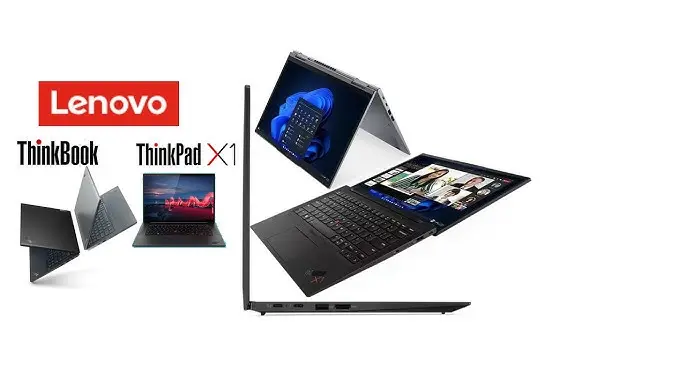
Lenovo’s broad portfolio, from durable ThinkPads to versatile IdeaPads and powerful Legion gaming rigs, reflects a commitment to delivering something for almost every type of user. Whether your priority is business reliability, creative productivity, or budget-friendly gaming, Lenovo’s ecosystem offers compelling options that balance performance and value.
By understanding Lenovo’s product lines, design philosophy, and place in the broader computing landscape, you can choose devices that fit your unique workflow and expectations. Ultimately, Lenovo remains a brand that earns trust not through gimmicks but through consistent performance and thoughtful engineering, and I hope this guide helps you choose with clarity and confidence.
FAQs
Yes. Lenovo is widely regarded as reliable, especially with ThinkPad-class devices.
Yes, particularly models in the Legion line, which are built for performance.
Lifespan depends on usage and configuration, but ThinkPads and higher-end models are known for longevity.
It depends on the segment and specific needs; Lenovo excels in business and versatility, while HP and Dell have their own strengths in premium and enterprise devices.
At Your Tech Compass, we publish detailed tech guides, reviews, and comparisons to help users choose the right devices and tools.