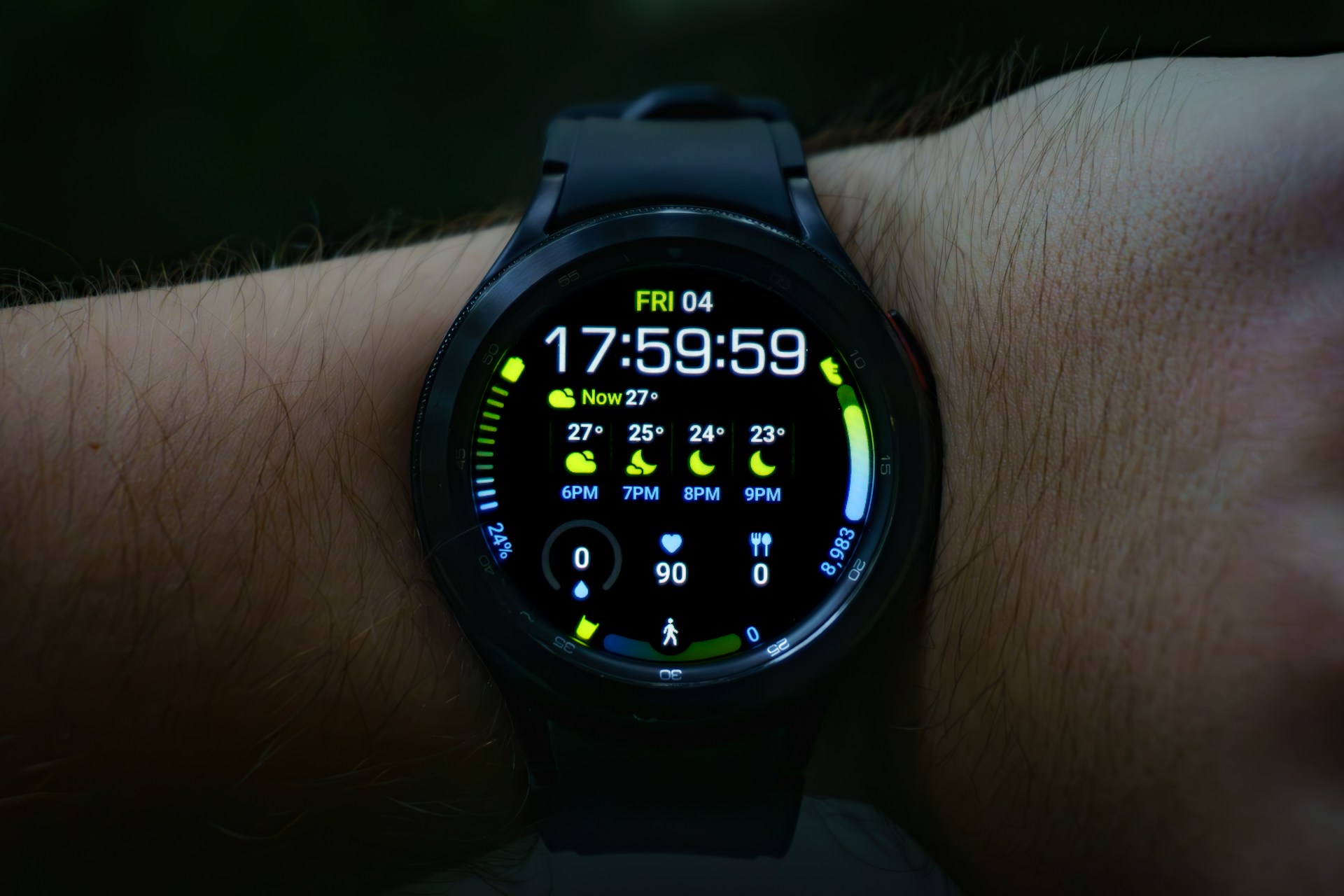
Pairing a smartwatch with your Android phone used to mean accepting a compromise; either you got a watch that looked great but had weak fitness tracking, or one with excellent health sensors but clunky software. That gap has closed significantly in the past two years, and the current generation of Android smartwatches covers everything from deep Google ecosystem integration to multi-week battery life and serious sports tracking, often at prices that have come down considerably from the flagship tier.
The challenge now is picking the right one for how you actually use it. A watch optimised for marathon training has very different priorities from one designed to handle notifications and meetings through a workday. This guide covers six of the best smartwatches for Android across the full range of use cases and budgets, with honest assessments of where each one excels and where it falls short.
A Quick Comparison: Best Smartwatches for Android
Smartwatch | Best For | OS | Battery Life | Price Range |
All-around Samsung users | Wear OS 6 | ~1.5–2 days | Premium | |
Google ecosystem users | Wear OS | ~1.5–2 days | Premium | |
Value & battery life | Wear OS | ~3–4 days | Mid-range | |
Fitness & sports tracking | Garmin OS | ~5–7 days | Premium-fitness | |
Budget Samsung option | Wear OS | ~1.5 days | Budget | |
Budget & battery | Zepp OS | ~5–6 days | Budget |
What to Look for in a Smartwatch for Android
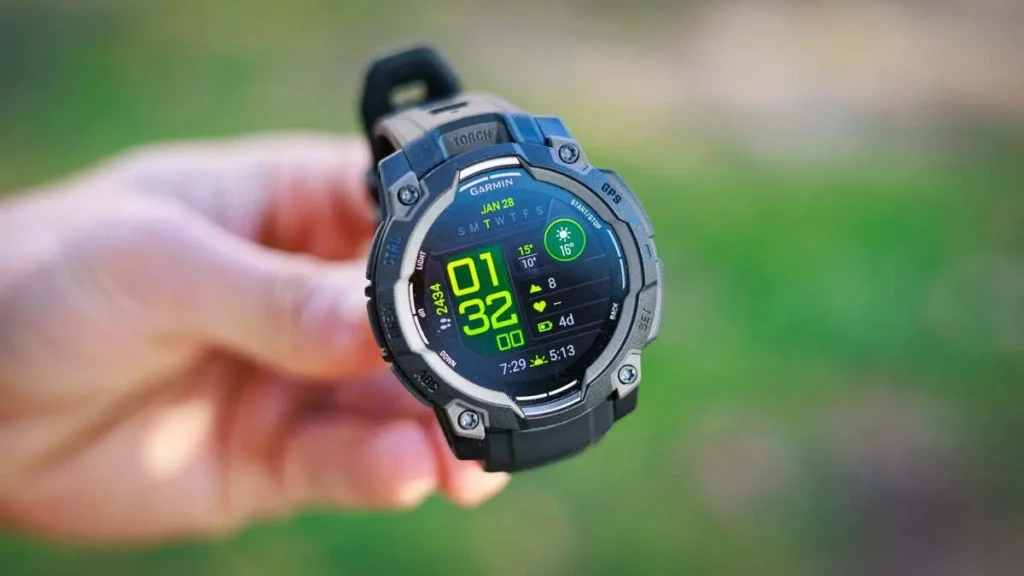
- Wear OS vs Proprietary OS: Most of the watches in this guide run Wear OS, Google’s platform, now optimised specifically for Android and supporting Google Assistant, Google Pay, and Play Store apps. Garmin runs its own proprietary OS, which sacrifices third-party app selection for exceptional battery life and fitness depth. Both are legitimate choices depending on priorities.
- Samsung Compatibility Note: Samsung’s Galaxy Watch series runs Wear OS, but with Samsung’s One UI Watch layer on top. Some features, such as body composition analysis, advanced sleep coaching, and certain health integrations, only function fully when paired with a Samsung Galaxy phone. If you’re using a non-Samsung Android phone, the watch still works well, but a handful of premium features are locked.
- Battery Life Expectations: Wear OS watches with always-on display and active health monitoring typically last one to two days between charges. Garmin and Amazfit watches with less demanding operating systems routinely manage five to fourteen days. Which matters more depends entirely on how you use it. If you’re charging every night anyway, Wear OS’s deeper functionality is worth the trade-off.
- Health Sensor Quality: All six watches include heart rate monitoring and SpO₂. The meaningful differences are in ECG capabilities (Galaxy Watch 8 and Pixel Watch 4), stress-tracking accuracy, GPS precision for outdoor workouts, and sleep-stage quality. For casual fitness tracking, any of these watches is sufficient. For serious athletes or health-focused users, the Garmin Venu 3 and Galaxy Watch 8 pull clearly ahead.
Best Smartwatches for Android Reviewed
1. Samsung Galaxy Watch 8: Best All-Round for Android
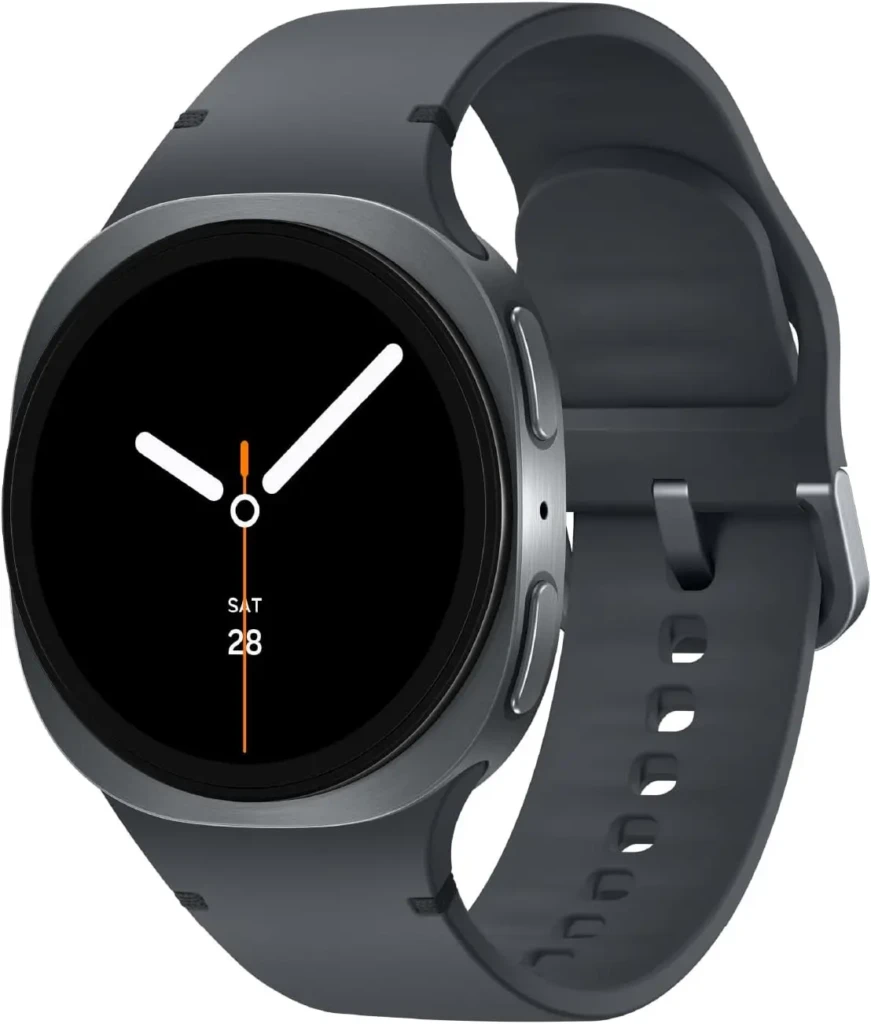
The Galaxy Watch 8 is the most complete everyday smartwatch for Android users, and the reason is the combination of hardware quality and software depth that Samsung brings at this tier. Running Wear OS 6 with Samsung’s One UI Watch on top, it handles notifications, calls, Google Pay, and third-party apps through the Play Store while adding Samsung-specific health features; advanced sleep coaching, body composition analysis, and continuous blood pressure monitoring, which put it ahead of most competitors on health capability. The AMOLED display is among the brightest and most readable of any Android smartwatch, including in direct sunlight.
The honest caveat is the Samsung ecosystem’s lock on certain features. If you’re using a Samsung Galaxy phone, you get the full feature set. On other Android phones (Google Pixel, OnePlus, Motorola), the core watch experience is excellent, but body composition, blood pressure monitoring, and some sleep features either don’t activate or deliver less data. For Samsung Galaxy phone users specifically, this is the clear top pick. For everyone else, the Pixel Watch 4 may be a better fit depending on your priorities.
Key Specs
- OS: Wear OS 6 with One UI Watch
- Display: AMOLED, always-on capable
- Health Sensors: Heart rate, SpO₂, ECG, skin temperature, body composition (Samsung phones only)
- Battery: ~1.5–2 days typical use
- GPS: Yes, standalone multi-band
- Water Resistance: 5ATM + IP68
Why It Stands Out
- Best-in-class AMOLED display for outdoor readability.
- ECG and blood pressure monitoring are included at this price.
- Full compatibility with the Wear OS Play Store app.
- Best health feature set of any Wear OS watch when paired with a Samsung Galaxy.
Best For: Samsung Galaxy phone users who want the most complete all-day smartwatch with deep health tracking and strong Wear OS app support.
2. Google Pixel Watch 4: Best for Google Ecosystem Users
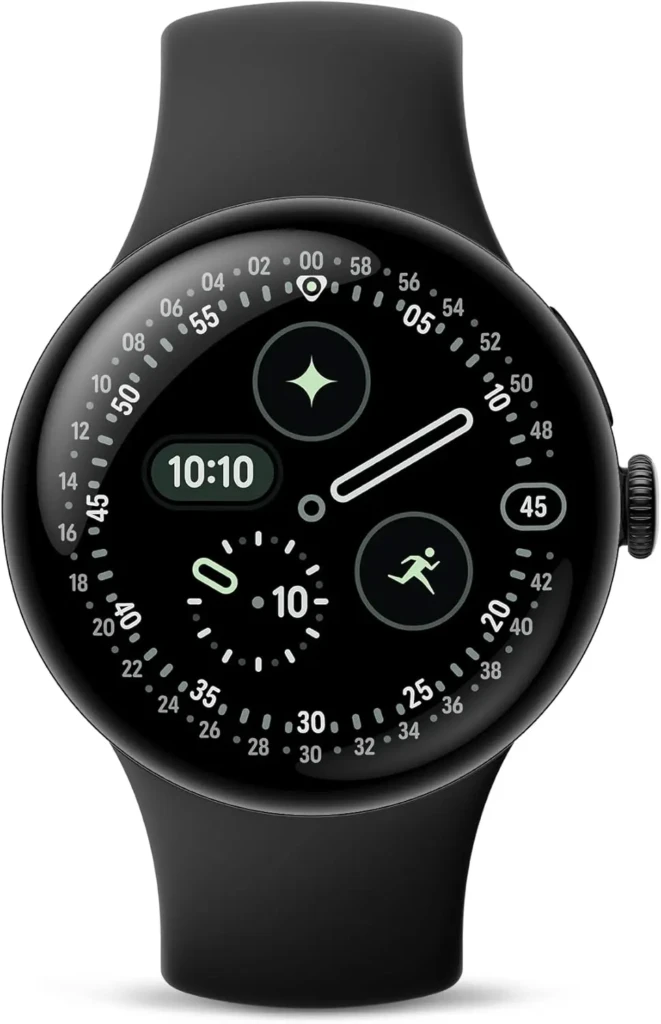
The Pixel Watch 4 is Google’s most mature smartwatch, and it shows. The hardware includes a circular domed display, a comfortable silicone band, and a refined charging system, which finally feels premium after earlier Pixel Watches drew criticism for their charging puck and fragile finish. More importantly, the software integration with Google’s ecosystem is seamless in a way that even the Galaxy Watch can’t fully match: Google Assistant is faster and more capable here than on any other Wear OS device, Google Maps turn-by-turn on the wrist is reliable, and Fitbit’s health platform, now fully integrated into Pixel Watch, provides some of the best sleep staging and cardio fitness tracking available on a consumer wearable.
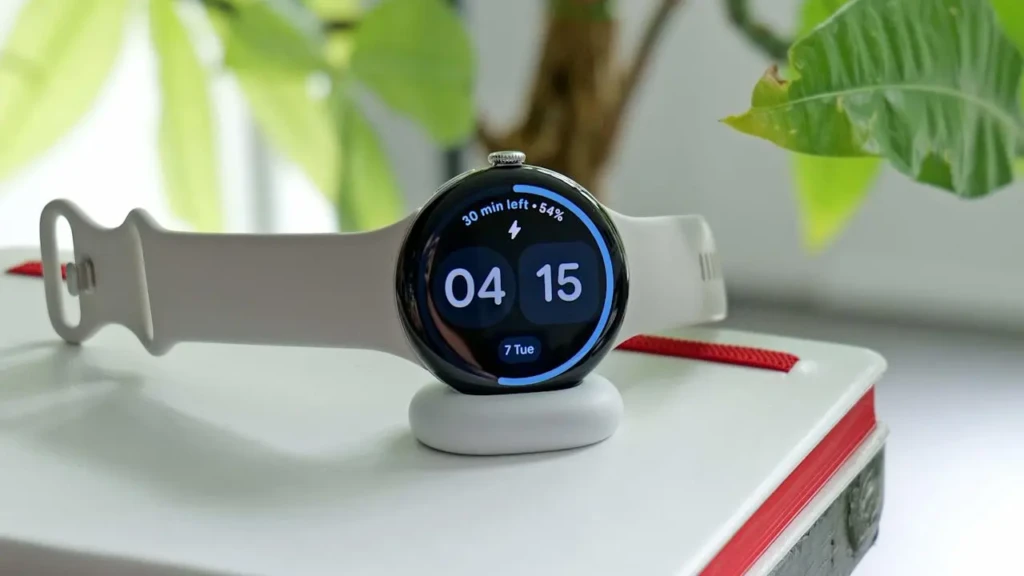
The 45mm version addressed the battery life criticisms of earlier Pixel Watches, delivering a genuine 36+ hours with always-on display off, enough for most users to comfortably charge every other day. The 41mm version is tighter at around 24 hours. Fitbit Premium is included free for six months, which adds detailed wellness insights worth trying before deciding whether the subscription is worth continuing. For non-Samsung Android users who live in Google’s apps, such as Gmail, Google Calendar, Google Maps, and YouTube Music, this is the most natural smartwatch choice.
Key Specs
- OS: Wear OS with Google and Fitbit integration
- Display: AMOLED, circular, always-on capable
- Health Sensors: Heart rate, SpO₂, ECG, skin temperature, continuous heart rate tracking
- Battery: ~36+ hours (45mm), ~24 hours (41mm)
- GPS: Yes, standalone multi-band
- Water Resistance: 5ATM
Why It Stands Out
- Fastest, most capable Google Assistant of any Wear OS watch.
- Fitbit health platform integration (best sleep and cardio fitness tracking on Wear OS).
- Seamless Google Maps, Gmail, and Calendar experience on the wrist.
- Improved battery life in the 45mm variant over previous generations.
Best For: Non-Samsung Android users who are deeply embedded in Google’s app ecosystem and want the most natural, integrated wearable companion.
3. OnePlus Watch 2: Best Value Wear OS Watch
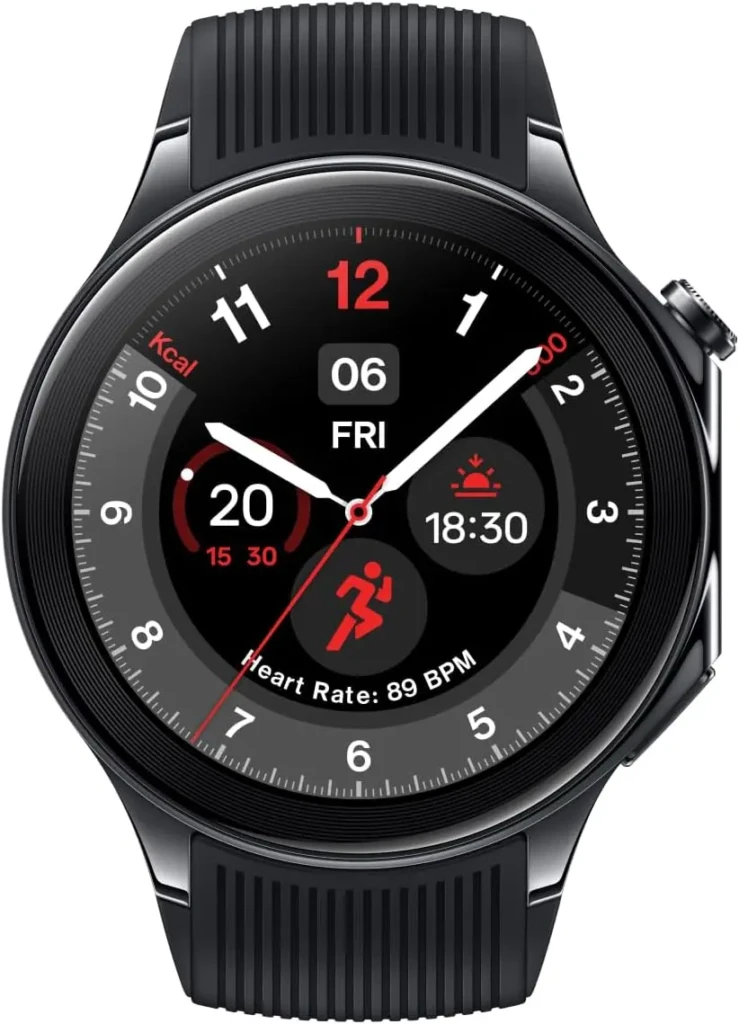
The OnePlus Watch 2 is the most underrated smartwatch in the Wear OS lineup, and its key advantage is straightforward: it lasts significantly longer between charges than any other Wear OS device while still running the full Google ecosystem. OnePlus achieves this through a dual-chipset architecture, a primary Snapdragon W5 for active Wear OS use, switching to a secondary, lower-power chip for basic functions when the screen is off. In practice, you get three to four days of genuine Wear OS functionality, including GPS workouts and always-on display, which is nearly double what the Galaxy Watch 8 or Pixel Watch 4 manages.
The trade-off is design refinement. The case is larger and slightly bulkier than Samsung’s or Google’s offerings, which some users find less comfortable for sleep tracking. The health sensor suite is competent (accurate heart rate, SpO₂, and GPS), but lacks ECG and the advanced analysis of pricier options. The interface is clean Wear OS without heavy customisation, which is a feature rather than a limitation if you want a watch that stays out of the way and just works. At its price point, the OnePlus Watch 2 delivers more practical daily value than any other Wear OS watch.
Key Specs
- OS: Wear OS 4 with OxygenOS features
- Display: AMOLED, 1.43-inch, always-on capable
- Health Sensors: Heart rate, SpO₂, skin temperature, 100+ workout modes
- Battery: ~3–4 days typical use (dual-chipset architecture)
- GPS: Yes, standalone dual-frequency
- Water Resistance: 5ATM + IP68
Why It Stands Out
- 3–4-day battery life on full Wear OS, roughly double that of the competition.
- Dual-chipset architecture maintains Wear OS functionality without sacrificing endurance.
- Full Play Store app support, including Google Assistant and Google Pay.
- Most practical daily value of any Wear OS watch under £300.
Best For: Android users who want full Wear OS functionality but are frustrated by daily charging requirements, particularly frequent travellers and those with busy schedules.
4. Garmin Venu 3: Best for Fitness and Sports Tracking
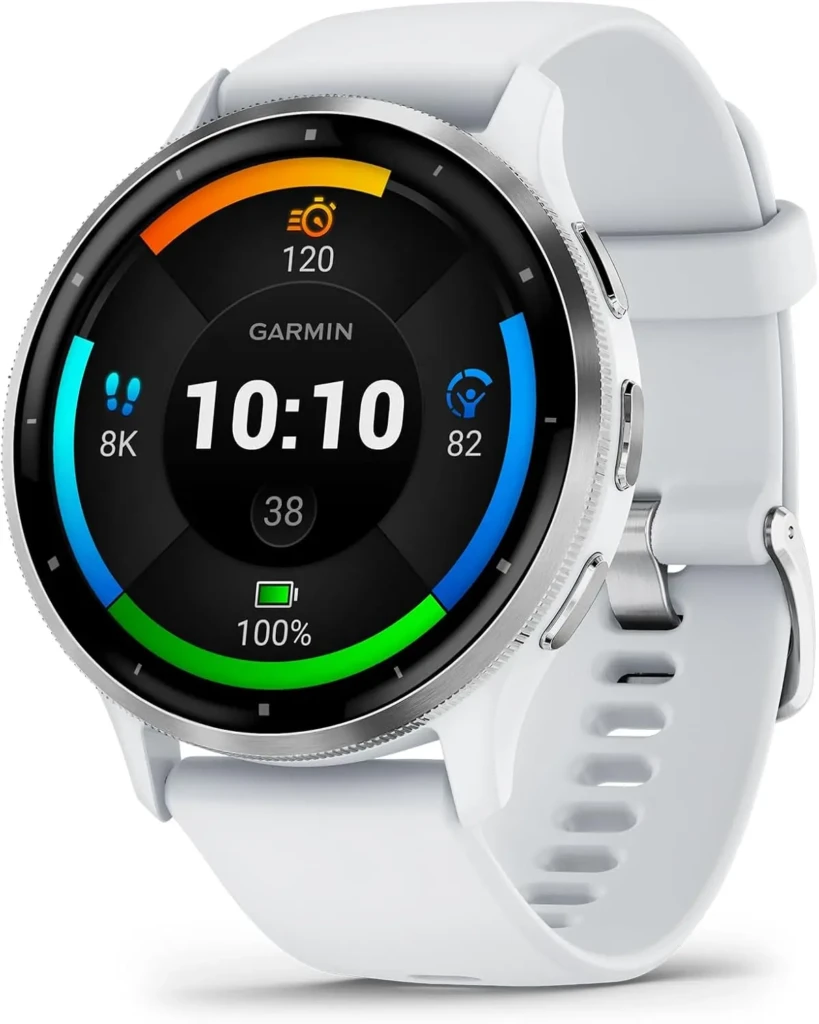
The Garmin Venu 3 falls into a different category than the Wear OS watches in this guide. It doesn’t run Google’s platform, doesn’t support the Play Store, and won’t handle your Google Maps navigation. What it does instead (health and sports tracking) is at a level that Wear OS watches can’t currently match, combined with battery life that makes weekly charging the norm rather than nightly. If fitness and health monitoring are your primary reasons for wanting a smartwatch, the Venu 3 is the honest recommendation regardless of which Android phone you’re using.
Garmin’s health platform is the most medically rigorous among consumer wearable brands. The Venu 3’s Body Battery feature synthesises stress, sleep, and activity data into a real-time energy readiness score that regular users describe as genuinely accurate and useful for planning training intensity. Sleep tracking includes nap detection, sleep coaching, and HRV status monitoring, and it outperforms Fitbit and most Wear OS implementations.
The multi-sport tracking covers over 25 sports with detailed metrics, and the GPS accuracy, using a dedicated SatIQ algorithm across multiple constellations, is the most reliable in this price bracket. Additionally, the five-to-seven-day battery in standard use (three days with always-on display) means you’ll charge it once during a working week.
Key Specs
- OS: Garmin OS (proprietary; no Play Store)
- Display: AMOLED, always-on capable
- Health Sensors: Heart rate, SpO₂, pulse oximetry, skin temperature, HRV, stress, Body Battery
- Battery: ~5–7 days standard, ~3 days always-on
- GPS: Multi-constellation SatIQ (GPS, GLONASS, Galileo, BeiDou)
- Water Resistance: 5ATM
Why It Stands Out
- Most accurate and detailed health tracking platform of any watch in this guide.
- Body Battery readiness score is genuinely useful for training and recovery planning.
- 5–7-day battery life eliminates the need for nightly charging.
- HRV status and sleep coaching ahead of Wear OS implementations.
Best For: Fitness-focused users, runners, cyclists, and anyone who prioritises depth in health tracking and battery endurance over breadth of the app ecosystem.
5. Samsung Galaxy Watch FE: Best Budget Samsung Smartwatch
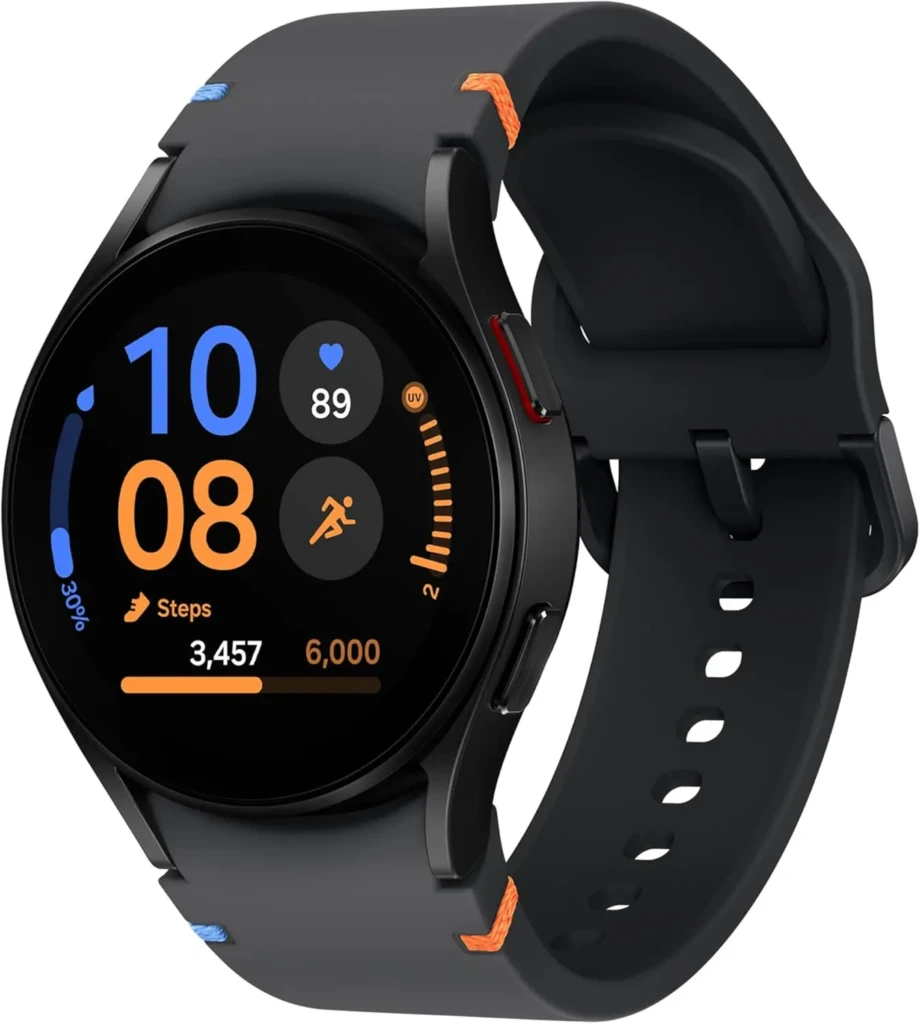
The Galaxy Watch FE (Fan Edition) brings Samsung’s Wear OS platform and core health features to a significantly lower price point than the Watch 8, making it the natural entry point for users who want the Samsung ecosystem without the premium outlay. The hardware is based on the Galaxy Watch 4 platform, which launched to strong reviews, giving you a proven, reliable foundation rather than a cost-reduced version of current flagship hardware. You get heart rate monitoring, SpO₂, ECG, body composition analysis (Samsung phones), GPS, and full Wear OS support in the Play Store, which is a genuinely impressive feature set for the price.
The concessions compared to the Watch 8 are meaningful but not dealbreakers for most users: the processor is slower under sustained load, the display has lower peak brightness, and battery life is closer to the Watch 4’s 1.5 days than the Watch 8’s two days. There’s no skin temperature sensor and no blood pressure monitoring. But for someone stepping into Android smartwatches for the first time, or upgrading from a basic fitness band, the Watch FE delivers the core Samsung smartwatch experience at a price that removes the hesitation. It pairs best with Samsung Galaxy phones but works capably with any Android device.
Key Specs
- OS: Wear OS with One UI Watch
- Display: Super AMOLED, always-on capable
- Health Sensors: Heart rate, SpO₂, ECG, body composition (Samsung phones)
- Battery: ~1.5 days typical use
- GPS: Yes, standalone
- Water Resistance: 5ATM + IP68
Why It Stands Out
- Full Wear OS with Play Store (no feature stripping compared to premium tier).
- ECG and body composition at a budget price (unusual for this bracket).
- Samsung’s proven health platform is at the most accessible price point in the lineup.
- Strong choice as a first smartwatch for Android users new to the category.
Best For: Android users who want Samsung’s health and Wear OS ecosystem at the lowest possible entry price, particularly first-time smartwatch buyers.
6. Amazfit Active 2: Best Budget Battery Life
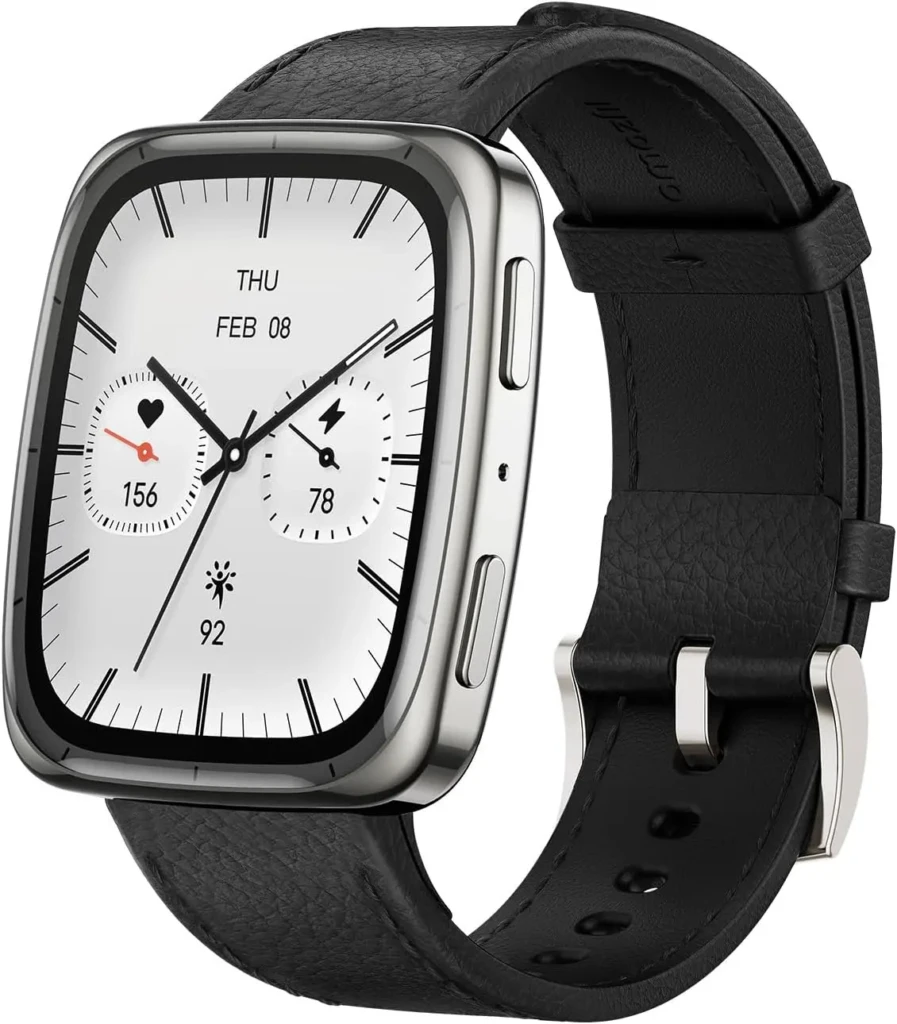
The Amazfit Active 2 is the most practical choice for anyone whose primary concern is battery endurance and price. Running Zepp OS rather than Wear OS, it won’t run Google Assistant, Google Maps, or Play Store apps, but it tracks health and fitness competently, connects to your Android phone for notifications and basic controls, and stays charged for five to six days without needing to be plugged in. For users who want a wrist-based fitness tracker with smartwatch notifications but don’t need a full smartphone extension, it delivers on that front better than anything else at its price.
The hardware quality is genuinely impressive for the cost. The AMOLED display is sharp and responsive; the 150+ sport modes cover everything from traditional gym sessions to niche activities; and Zepp’s sleep tracking has improved considerably across generations, making it now competitive with Fitbit’s platform for basic sleep stage detection. AI fitness coaching, available through the Zepp app, provides basic workout recommendations that some users find genuinely useful as a starting point. The honest limitation is the third-party app ecosystem: without Wear OS, you’re dependent on what Amazfit builds directly into Zepp OS, which covers the fundamentals well but leaves gaps for power users.
Key Specs
- OS: Zepp OS (proprietary; no Play Store)
- Display: AMOLED, 1.65-inch
- Health Sensors: Heart rate, SpO₂, skin temperature, stress, 150+ sport modes
- Battery: ~5–6 days typical use
- GPS: Yes, standalone
- Water Resistance: 5ATM
Why It Stands Out
- 5–6 day battery life at a sub-£100 price (exceptional value).
- 150+ sport modes with AI fitness coaching via the Zepp app.
- Sharp AMOLED display at a price where less capable screens are common.
- Best option for Android users who want wrist-based notifications and fitness tracking without the complexity of Wear OS.
Best For: Budget-conscious Android users who prioritise battery endurance and fitness tracking over app ecosystem depth and are happy without Google Assistant or Play Store apps.
Which Smartwatch Should You Choose?
The decision comes down to two questions: how deeply do you want the watch integrated with Google’s apps, and how long do you need it to last between charges?
If you want full Google ecosystem integration and are a Samsung phone user, the Galaxy Watch 8 is the top pick. However, if you’re on any other Android phone and live in Google’s apps, the Pixel Watch 4 is the more natural fit.
If battery life on a full Wear OS device is your frustration with smartwatches, the OnePlus Watch 2 solves that better than anything else at its price. However, if fitness tracking depth matters more than apps, the Garmin Venu 3 is in a different class.
For Samsung integration at a lower cost, the Galaxy Watch FE gets you the core experience without the premium price. And if you want maximum battery life on a minimum spend, the Amazfit Active 2 is the honest budget recommendation.
If You Primarily Want… | Choose… |
Best all-round Wear OS + Samsung phone | Samsung Galaxy Watch 8 |
Best Google app integration | Google Pixel Watch 4 |
Wear OS without nightly charging | OnePlus Watch 2 |
Best fitness and sports tracking | Garmin Venu 3 |
Samsung ecosystem on a budget | Samsung Galaxy Watch FE |
Maximum battery, minimum spend | Amazfit Active 2 |
FAQs
All six work with any Android phone running Android 8.0 or later. However, the Samsung Galaxy Watch 8 and Galaxy Watch FE deliver their full feature sets only when paired with a Samsung Galaxy phone; features like body composition analysis and blood pressure monitoring are unavailable or limited on non-Samsung Android phones. The other four watches work equally well across all Android devices.
No, all six watches in this guide are designed for Android only. The Samsung Galaxy Watch series has no iOS support. Wear OS does not support the iPhone. If you need cross-platform compatibility, the Garmin Venu 3 has the best iOS support of any watch in this guide, though its feature set is still more complete on Android.
Consumer smartwatch health data should be treated as directionally useful rather than medically precise. Heart rate monitoring during rest and moderate exercise is generally accurate to within a few beats per minute on all six watches. GPS accuracy during outdoor workouts varies; Garmin’s multi-constellation SatIQ is the most precise in this guide. SpO₂ readings are less reliable than medical pulse oximeters. ECG features on the Galaxy Watch 8 and Pixel Watch 4 can detect atrial fibrillation, but are not diagnostic tools and should not replace medical testing.
The 45mm version has a larger case, larger display, and significantly better battery life; approximately 36+ hours versus 24 hours for the 41mm with always-on display off. The 41mm is lighter and more comfortable for smaller wrists or sleep tracking. Unless wrist size is a constraint, the 45mm is the practical recommendation for anyone who wants to avoid daily charging.
Final Thoughts
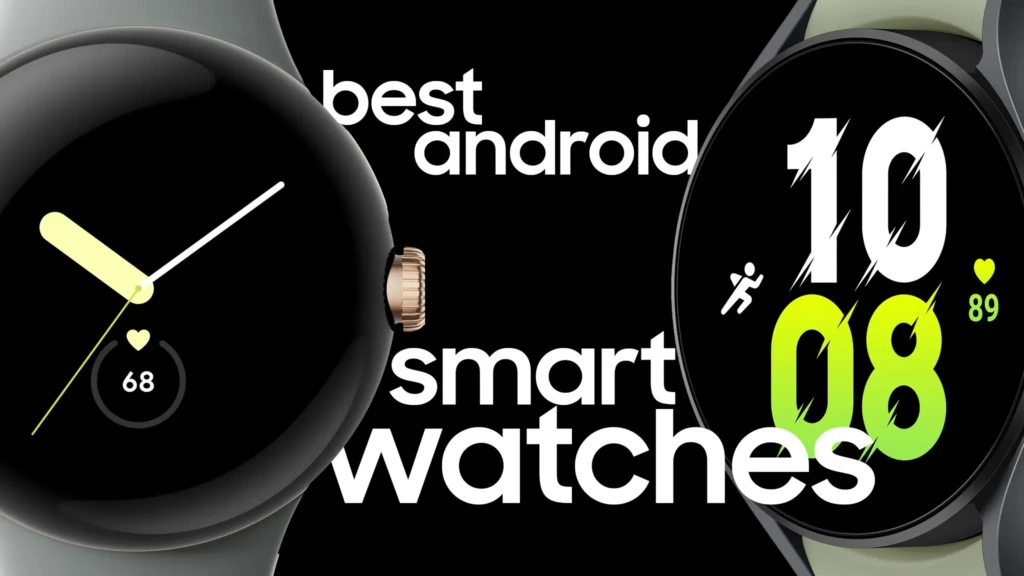
The smartwatch market for Android users has matured into a genuinely competitive space, and the gap between the best and worst options at each price point has narrowed considerably. The core choice, Wear OS depth and app ecosystem versus battery life and fitness specialisation, still defines which watch is right for you, but you no longer have to make dramatic compromises in either direction to get a capable device.
Pick based on your actual daily priorities rather than the longest spec list, and any of the six watches in this guide will serve you well. If you’re also thinking through the broader picture of how your smartwatch fits into your running or fitness routine, our Strava vs Nike Run Club guide covers the app side of that equation in detail.
For more tech guides and honest reviews, visit YourTechCompass.