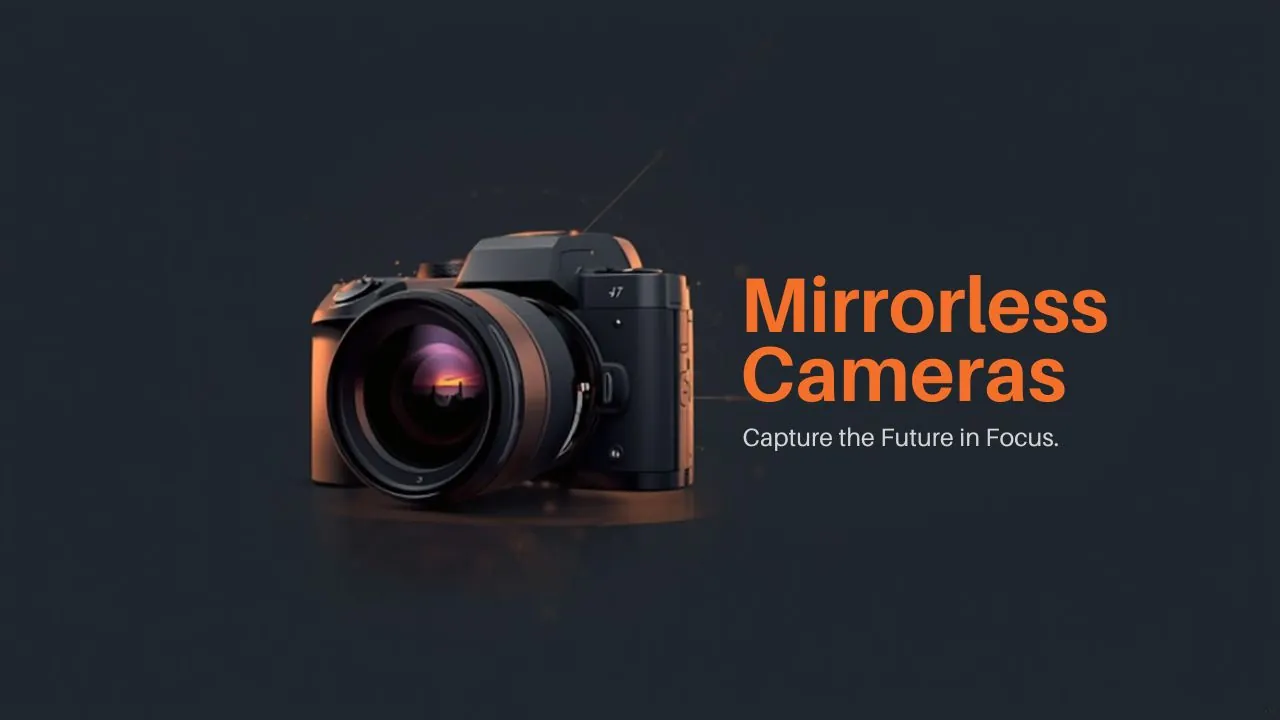
A mirrorless camera is a modern digital camera that captures photos without using the traditional mirror and optical viewfinder system found in DSLRs. Instead, it relies on a direct electronic connection between the sensor and the display, allowing you to preview exactly how your shot will look before pressing the shutter. This streamlined design makes mirrorless cameras lighter, faster, and more versatile, while still delivering professional-grade image quality.
In this guide, I’ll explain how mirrorless cameras work, highlight their key features, compare them with DSLRs, and walk you through what to look for when choosing one. By the end, you’ll have a clear sense of whether a mirrorless system is right for you.
How Mirrorless Cameras Work
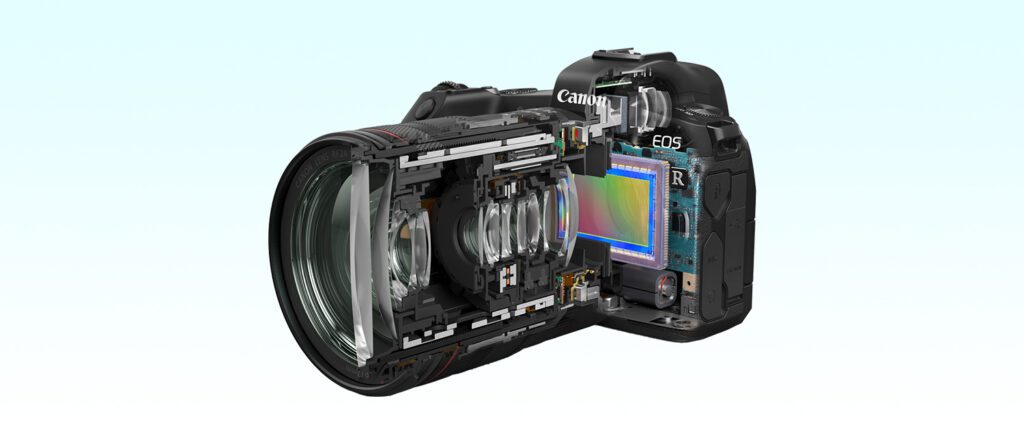
To understand what a mirrorless camera is, it helps to look under the hood: unlike a DSLR, a mirrorless camera doesn’t have a reflex mirror. Instead, light enters through the lens and goes straight to the image sensor.
As a result, you’re constantly seeing a live digital preview, either on the rear LCD screen or through an electronic viewfinder (EVF). When you press the shutter button, the shutter opens, the sensor records the image, and then it closes again, with no flipping mirror to get in the way.
This simplicity in design reduces the number of moving parts, resulting in less noise when shooting and often faster burst performance.
Key Features of Mirrorless Cameras
Sensor Types
Mirrorless cameras support a wide range of sensor sizes, including APS-C, Full-Frame, and Micro Four Thirds, which are among the most common. The choice of sensor affects image quality, low-light performance, and the size of lenses you’ll need.
Autofocus & Image Stabilization
Modern mirrorless systems utilize on-sensor phase-detection or hybrid autofocus, which often outperforms traditional DSLR autofocus, particularly in tracking moving subjects. Many models also feature in-body image stabilization (IBIS), allowing you to shoot handheld in lower light or at slower shutter speeds.
Video Capabilities
One significant strength of mirrorless cameras is their exceptional ability to handle video. Because the sensor is always exposed, you can often get continuous live preview, focus peaking, zebra stripes, and even shoot in 4K (or higher) with smooth autofocus.
Interchangeable Lenses
Just like DSLRs, mirrorless cameras support interchangeable lenses. But because the body is more compact, the entire system (camera + lens) can be lighter and more portable.
Advantages of Mirrorless Cameras
- Smaller and Lighter Body: With the mirror removed, manufacturers can create more compact and portable camera bodies.
- Quiet Operation: Without a flipping mirror, mirrorless cameras are typically quieter, especially when using an electronic shutter.
- Live Exposure Preview: The EVF or screen often shows a real-time preview of your exposure, white balance, and depth of field, so what you see is very close to what you’ll capture.
- Fast and Intelligent Autofocus: With on-sensor AF, mirrorless systems can deliver features such as eye-tracking, improved autofocus in video, and more precise focus across the entire frame.
- Better Video Integration: Due to their constant exposure and sensor readout, these cameras often excel in hybrid photo-video workflows.
Disadvantages of Mirrorless Cameras
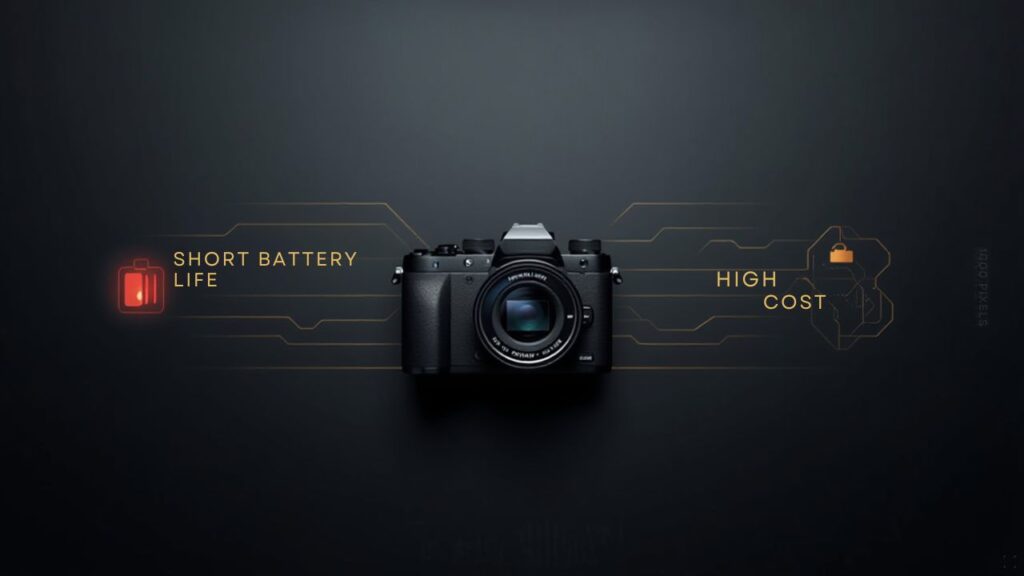
- Shorter Battery Life: Since the sensor and EVF/LCD are always on, mirrorless cameras usually have lower battery performance compared to DSLRs.
- Lens Ecosystem: Although it’s improving rapidly, some mirrorless mounts may still lack a broad selection of native lenses compared to long-established DSLR systems.
- Cost: High-performance mirrorless systems, particularly those equipped with advanced autofocus and stabilization, can be more expensive, depending on the brand and lens.
Mirrorless vs DSLR: A Side-by-Side Comparison
Here’s a comparison table that makes it easy to understand how mirrorless cameras stack up against DSLRs:
Feature | Mirrorless | DSLR |
Mechanism | No mirror, direct exposure to a sensor | Mirror + prism system |
Viewfinder | Electronic (EVF) or LCD | Optical viewfinder (OVF) via mirror and prism |
Size & Weight | More compact, fewer mechanical parts | Often larger and heavier due to the mirror mechanism |
Autofocus | On-sensor hybrid AF, eye detection, live tracking | Phase-detect AF via dedicated sensor, fast for burst |
Video | Strong, silent shutter, real-time preview | Can shoot video, but less integrated live preview |
Battery Life | Shorter (EVF/LCD always on) | Longer (optical viewfinder doesn’t use power) |
Lens Compatibility | Fast-growing native lenses + adapters for older lenses | Wide, mature lens ecosystem |
Tips for Choosing the Right Mirrorless Camera
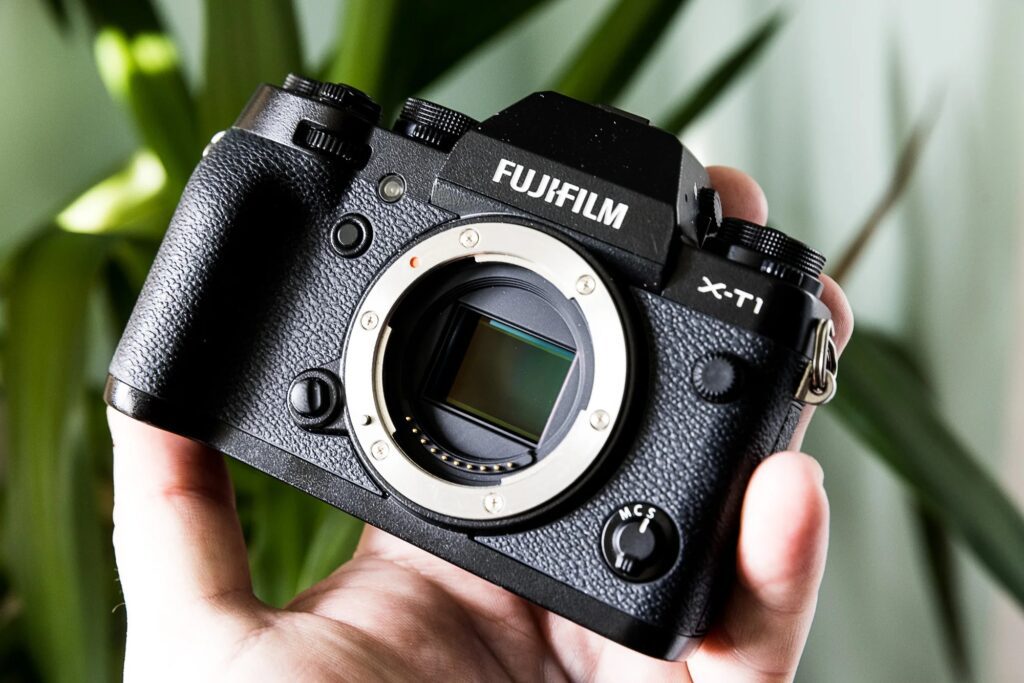
- Sensor Size & Budget: Decide whether you want an APS-C or full-frame sensor. APS-C is more affordable and compact; full-frame offers better low light.
- Lens Ecosystem: Consider what lenses are available for the mount. Are there already good native lenses, or will you use adapters?
- Photo vs Video Priority: If you shoot a lot of video, look for IBIS and good autofocus. For stills, prioritize sensor size and autofocus speed.
- Stabilization Needs: If you shoot handheld or in low light, IBIS (in-body image stabilization) is a big plus.
- Power Management: Plan for extra batteries if you’ll be shooting for extended periods, as the EVF and sensor use drain power.
- Accessory Support: Consider tripods, external microphones, and other essential gear. For example, if you create content, you might want a reliable tripod. Check out a guide like our ‘Best Tripods for Creators.’
Popular Mirrorless Camera Models
Here are a few well-known mirrorless cameras that span different use cases:
- Sonyα7 IV: A full-frame, extremely capable camera for both photography and video.
- Canon EOS R10: APS-C, lightweight, great for beginners.
- Fujifilm X-S10: Compact body, good image stabilization, strong color science.
These models demonstrate the versatility of the mirrorless ecosystem today, ranging from professional creators to hobby shooters.
Why Mirrorless Cameras Matter for Modern Creators
Mirrorless cameras are especially compelling for content creators and smart‑home creators who want high-quality visuals without lugging around bulky gear. Because they’re lighter and more streamlined, they fit well into mobile workflows, travel setups, or smart‑home studio environments. Whether you’re filming tutorials, vlogging, or taking still photos, a mirrorless system offers both power and flexibility.
For creators working from home, a mirrorless camera can be a great complement to the kinds of setups we explore in our articles on smart-home devices for beginners and general explanations of smart-home devices, allowing for more professional-quality visuals.
Conclusion
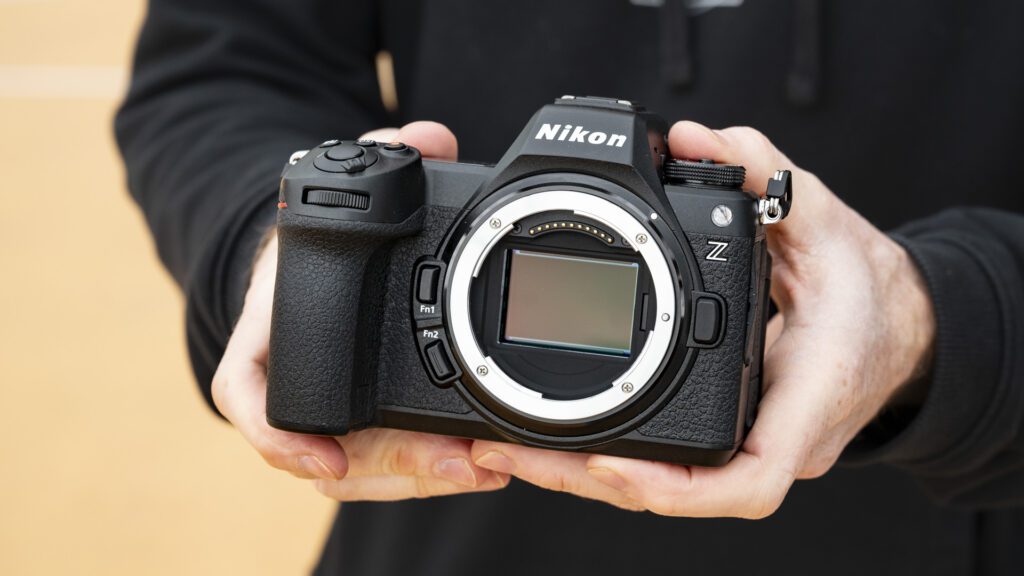
In short, a mirrorless camera is a modern, streamlined alternative to traditional DSLRs, offering several advantages: a smaller size, more intelligent autofocus, improved video integration, and quieter operation. At the same time, they come with trade-offs, such as shorter battery life and sometimes higher costs for advanced models.
If you value portability, want a camera that works beautifully for both stills and video, and are ready to invest in lenses, or already own some, mirrorless is likely the right path. On the other hand, if you shoot for long hours and need extreme battery efficiency, a DSLR might still have its place.
At Your Tech Compass, we publish detailed tech guides, reviews, and comparisons to help users choose the right devices and tools.