Here’s something that should genuinely stop you in your tracks. The African Development Bank and UNDP launched an initiative in February 2026 to mobilize up to $10 billion in AI investment across Africa by 2035, targeting 40 million new jobs and an estimated $1 trillion increase in Africa’s GDP. That’s not a distant dream. That’s a roadmap with a deadline. And it tells you exactly how seriously the continent is now taking artificial intelligence as an economic engine.
What makes 2026 different from five years ago is this: Africa is no longer just consuming AI tools built elsewhere. It’s building them. From Johannesburg startups training language models on isiZulu, to Nairobi researchers using machine learning to help smallholder farmers survive climate shocks, to Lagos platforms using AI to extend credit to millions who’ve never seen a loan officer, the story of AI in Africa has shifted from adoption to creation. This guide is for you, whether you’re a curious reader, an entrepreneur spotting opportunities, an investor sizing up the continent, or a student trying to understand where the world’s next wave of tech innovation is coming from. Let’s get into it.
Understanding AI in the African Context
Let’s start with the basics. Artificial intelligence, at its core, is technology that enables machines to perform tasks that normally require human intelligence.
Think pattern recognition, language translation, decision-making, and prediction. For instance, when your bank automatically flags a suspicious transaction, that’s AI at work. When a farmer gets a text predicting rain three days out, that’s AI. Or, when a hospital system highlights which patients are at risk of complications, that’s also AI.
Now here’s where Africa’s story gets interesting. AI in Africa doesn’t look like AI in Silicon Valley or Shenzhen, and understanding why is essential.
Africa has over 1.4 billion people, the world’s youngest population (according to the United Nations, 70% of sub-Saharan Africa is under the age of 30), and mobile-first connectivity, meaning most people access the internet on smartphones rather than desktops. Furthermore, Africa has roughly 54 different regulatory environments, over 2,000 languages, and infrastructure gaps that make building tech here genuinely harder than almost anywhere else. Consequently, the AI being built in Africa is shaped by constraints, which, counterintuitively, drive creativity.
The phrase “AI for Africa, by Africa” is gaining real traction in 2026. It captures a deliberate shift: African builders solving African problems with tools built from African data, for African users. That means AI that works in low-bandwidth environments. It means models trained on Yoruba, Swahili, and Amharic.
Additionally, it means credit-scoring tools built on mobile transaction history rather than on credit bureau reports that don’t yet exist. If you want to understand where global AI goes next, you need to understand what’s being built on this continent right now.
The State of AI Investment and Ecosystem in Africa (2026)
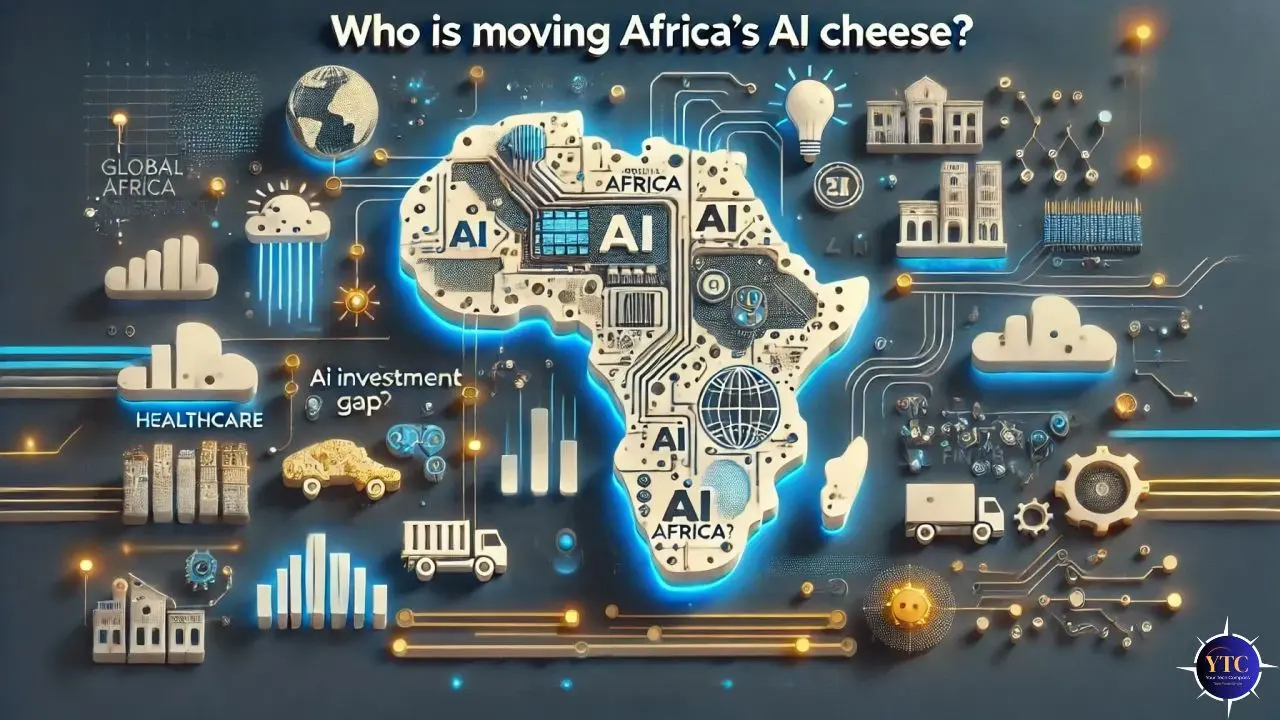
The numbers tell a story of rapid growth and honest gaps. As of mid-2025, 159 African AI startups had raised a combined $803 million in external funding, according to StartupList Africa’s analysis.
Africa’s total AI market was valued at approximately $4.51 billion in 2025, and analysts project it to reach $16.53 billion by 2030, a compound annual growth rate of over 27%. Moreover, the African Development Bank’s own modeling suggests that if African firms captured just 10% of the global AI market, the continent’s economy could grow by an additional $1.5 trillion.
That said, you need the honest picture too. Africa’s $803 million in AI startup funding, accumulated over several years, represents what some US AI companies raise in a single round. Additionally, Africa currently holds less than 1% of global data center capacity despite housing 18% of the world’s population, according to the World Economic Forum and the Africa Data Centers Association.
Furthermore, Africa accounts for only about 0.83% of global AI research publications, according to Stanford University’s AI Index 2026 Report. The gap between Africa’s AI potential and its current infrastructure is the defining challenge of this moment.
Investment is concentrated in a handful of hubs. Nigeria, Kenya, South Africa, and Egypt, the so-called “Big Four,” account for 83% of AI startup funding in Africa as of early 2025. South Africa leads in data infrastructure, having attracted a $300 million commitment from Microsoft through 2027 for AI and cloud expansion.
Kenya, on the other hand, is drawing investment from Google and Microsoft’s G42 partnership. Egypt leads in North Africa, driven by government-backed AI strategies and proximity to European investors. Rwanda, meanwhile, has established itself as the continent’s most policy-forward AI environment, attracting headquarters despite a much smaller economy.
International players are betting big. In July 2025, Google announced a $37 million investment specifically in African AI, building on its broader $1 billion digital commitment to the continent. Consequently, its Equiano submarine cable (already operational) is expected to add $11.1 billion to Nigeria’s GDP and $5.8 billion to South Africa’s by the end of 2025 alone.
Beyond that, the GSMA launched a pan-African collaboration at MWC Kigali 2025 to build inclusive AI language models, bringing together Airtel, MTN, Orange, Vodacom, and Ethio Telecom, alongside AI startups such as Lelapa AI and Masakhane. The momentum is real and accelerating.
Where AI Is Being Applied in Africa Right Now
This is the section that matters most, because it shows you what’s actually happening on the ground, not what’s being planned in conference rooms. AI in Africa is solving concrete, urgent problems across multiple sectors.
Here’s where the action is.
Agriculture
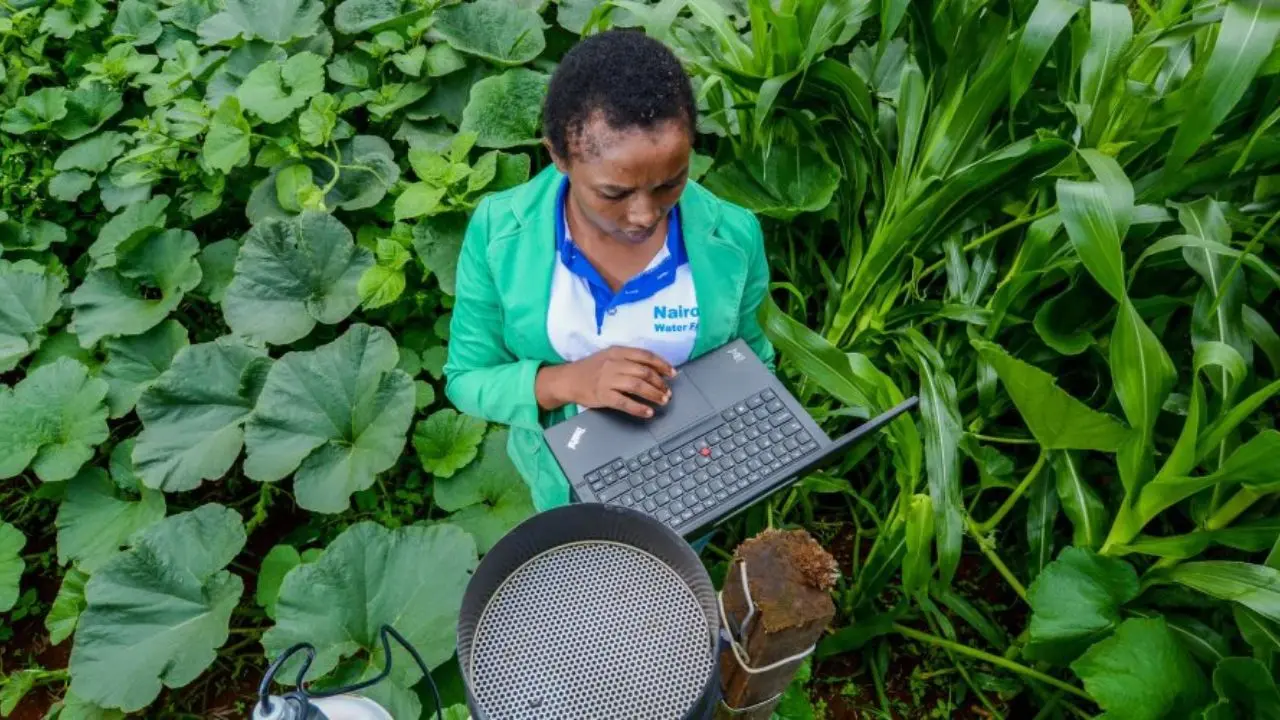
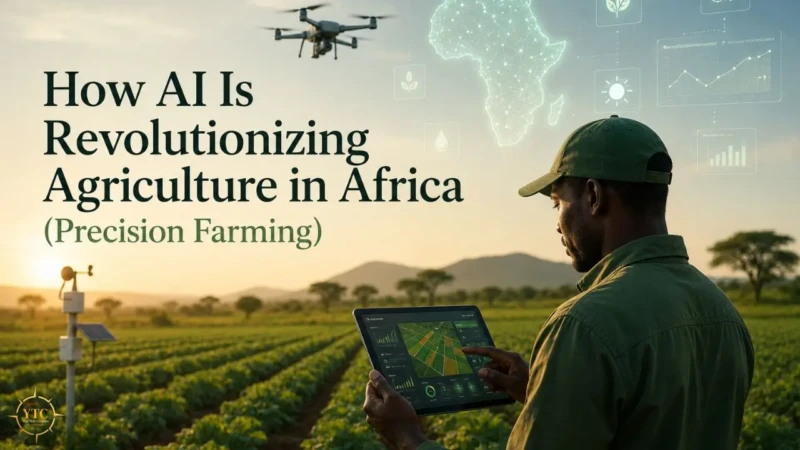
Agriculture employs over 60% of the African workforce and contributes roughly 23% of the continent’s GDP. However, smallholder farmers (who make up most of that workforce) have historically had almost no access to the data-driven tools used by large commercial farms. AI is changing that entirely.
Apollo Agriculture in Kenya uses machine learning trained on satellite imagery, soil data, and mobile transaction history to extend credit and deliver farm inputs to smallholder farmers. Their models assess creditworthiness without a bank account or formal credit history.
According to an October 2025 report by the European Center for Development Policy Management (ECDPM), AI-driven agri-fintech tools have, in some projects, led to yield increases of 30% to 50% and loan repayment rates above 85%. Additionally, Kenya’s Shamba Records had empowered over 50,000 farmers with AI-based tools for smart credit and market access by June 2025. Furthermore, Aerobotics in South Africa uses drone-based imaging and computer vision to estimate crop yields with 95% accuracy, giving farmers and lenders reliable forecasts that didn’t exist before.
In Ghana, pilot programs are using AI to advise cocoa farmers on optimal planting and irrigation schedules. Zindi, Africa’s largest data science competition platform with over 50,000 registered data scientists, hosts competitions specifically focused on crop yield prediction and food security, directly channeling African AI talent toward agricultural problems.
Healthcare
Africa’s healthcare systems face a brutal mismatch: too few doctors, too high a disease burden, and too little diagnostic infrastructure. AI is beginning to fill that gap in ways that would have been impossible a decade ago.
Ubenwa, a Nigerian startup co-founded by Charles Onu, has built an AI tool that diagnoses birth asphyxia, one of the world’s leading causes of newborn death, by analyzing a baby’s cry through a smartphone. The co-founder has described the infant cry as a vital sign that deserves systematic analysis at every birth.
Birth asphyxia causes roughly 900,000 newborn deaths annually worldwide. Moreover, Ubenwa’s tool is designed for exactly the settings where specialist neonatologists aren’t available, which describes most of rural Africa.
In Kenya, Jacaranda Health’s PROMPTS platform uses AI to deliver personalized SMS health advice to expectant and new mothers in remote areas, helping prevent complications without requiring clinic visits. Additionally, a leading hospital in Kenya launched an AI-powered radiotherapy system in 2026, expanding access to advanced cancer treatment.
Fintech
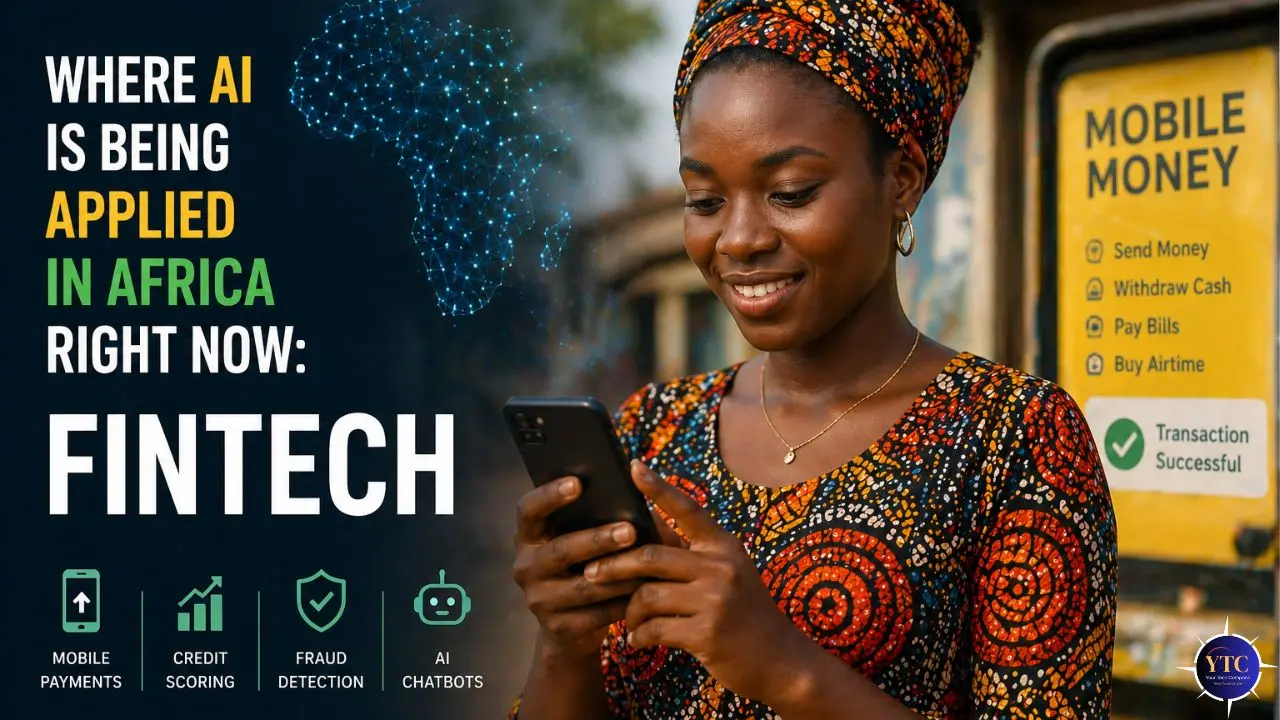
You’ve read about mobile money. Now add AI on top of that foundation, and you get something powerful.
AI is enabling African fintech platforms to do two things that traditional banks never managed: assess creditworthiness for people with no formal credit history, and detect fraud in real time at scale. Platforms like Moniepoint, Jumo, and Pezesha use AI models trained on mobile transaction data, airtime purchase patterns, and behavioral signals to extend credit to millions of people who would otherwise have no access to credit. Consequently, a farmer who has been buying airtime monthly for three years now has a financial track record that an AI credit model can read, even if no bank has ever noticed.
Meanwhile, AI-based fraud detection protects users at the transaction layer. As mobile money volumes scale (with $1.4 trillion processed in Sub-Saharan Africa in 2025 alone), manual fraud detection is simply impossible.
In addition, AI models that analyze thousands of transaction signals in real time are the only tools capable of keeping pace. Furthermore, customer service chatbots in local languages are reducing the cost of financial customer support while improving access for users who’ve never spoken to a banker.
Education
Africa has the world’s youngest population and a rapidly growing student base. However, teacher shortages and outdated curricula are persistent barriers. AI is stepping into that gap with tools that would have seemed science fiction a decade ago.
Platforms like uLesson in Nigeria and Eneza Education in Kenya are using AI to personalize learning at scale, adapting difficulty in real time based on students’ performance. Additionally, AI-powered translation tools are making educational content available in languages other than English or French for the first time.
For students studying in Kiswahili, Amharic, or Hausa, that’s not a nice-to-have; it’s the difference between understanding and guessing. Beyond that, tools like those being developed at Masakhane and Lelapa AI are enabling voice interfaces in local languages, which could transform access for students with low literacy.
Climate and Agriculture Tech
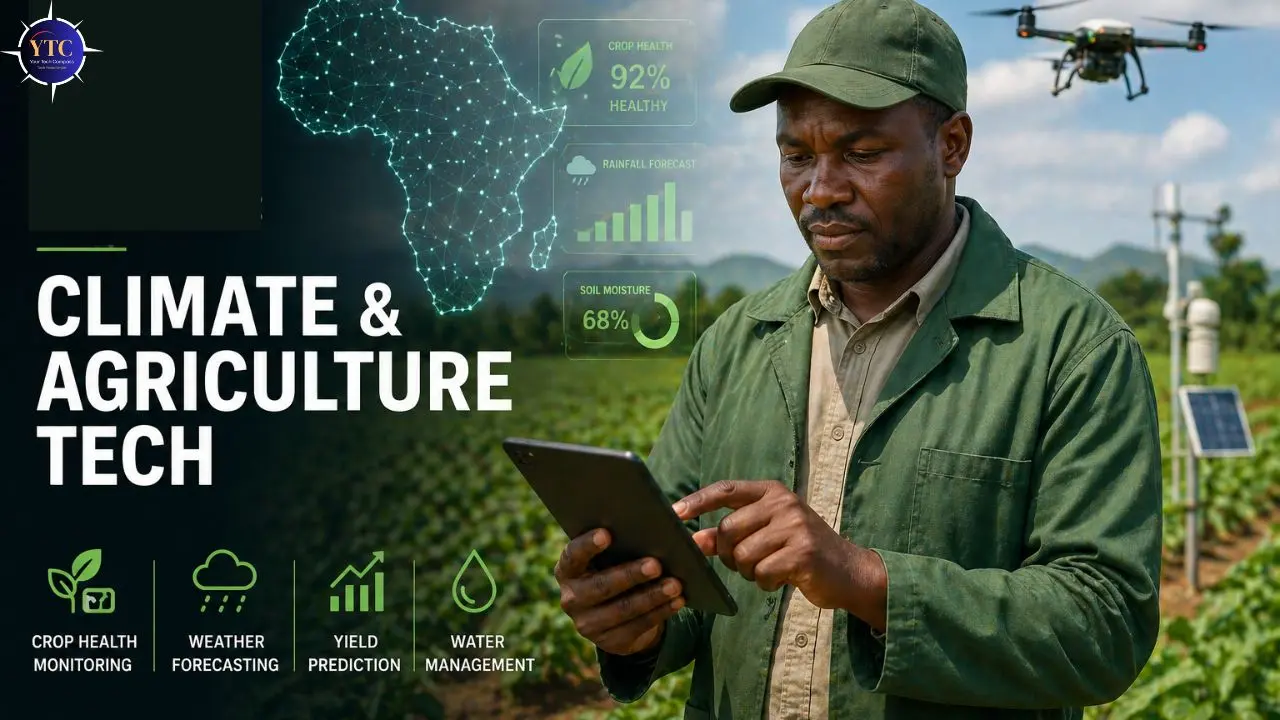
Africa is both a major contributor to the consequences of climate change and a relatively minor contributor to its causes. AI is helping African communities adapt by predicting floods, droughts, and crop failures before they occur.
Amini in Kenya uses satellite data combined with machine learning to deliver climate intelligence and precision agriculture insights, backed by early-stage investment. AirQo at Makerere University in Uganda uses AI to predict air pollution patterns across major African cities, empowering communities and government agencies to act before health emergencies develop. Furthermore, the IGAD Climate Prediction and Applications Center (ICPAC), based in Nairobi, uses machine learning to forecast climate conditions across the Horn of Africa, directly influencing how governments prepare for drought and food security crises.
Public Sector and Governance
Governments are also starting to deploy AI, with mixed results but real promise. For instance, in Togo, the government used AI to identify 57,000 recipients of social funds in 100 of the country’s poorest towns for a cash transfer program, without physical contact during the COVID-19 period. In Rwanda, AI tools are being piloted in government service delivery and tax collection. In Zambia, an AI-powered fact-checking tool called iVerify was used during the August 2021 elections to detect hate speech and misinformation in real time.
African AI Startups to Watch in 2026
Africa is no longer waiting for Silicon Valley to solve its problems. A new generation of African-built AI companies is gaining global recognition. Here are the startups that define 2026.
African AI Startups at a Glance
Startup | Country | Focus Area | Notable Milestone |
Lelapa AI | 🇿🇦 South Africa | African language AI models | Launched InkubaLM; GSMA partner 2025 |
Masakhane | Pan-African | Open-source NLP research | 400+ models, 20+ African-language datasets |
InstaDeep | 🇹🇳 Tunisia/ 🇬🇧 UK | Deep learning, drug discovery | Acquired by BioNTech for up to $682M |
Ubenwa | 🇳🇬 Nigeria/ 🇨🇦 Canada | AI newborn health diagnostics | Gates Foundation-backed; deployed in clinics |
Aerobotics | 🇿🇦 South Africa | AI crop analytics via drones | 95% yield estimation accuracy |
Apollo Agriculture | 🇰🇪 Kenya | AI credit + farm inputs | 30–50% yield gains in pilot projects |
Zindi | Pan-African | Data science talent platform | 50,000+ data scientists; real-world competitions |
Lelapa AI (South Africa)
Lelapa AI is arguably the most important AI company on the continent right now. Based in Johannesburg, it launched InkubaLM (Africa’s first multilingual large language model) supporting Swahili, Yoruba, IsiXhosa, Hausa, and IsiZulu. Its Vulavula platform converts voice to text and performs natural language processing in South African and other African languages with genuine accuracy.
Co-founders Jade Abbott and Pelonomi Moiloa built the company with a core conviction: AI cannot serve Africa if it cannot speak Africa’s languages. Microsoft President Brad Smith singled out Lelapa AI as a key partner in March 2025.
Furthermore, the GSMA brought Lelapa AI into its pan-African AI language initiative launched at MWC Kigali 2025. Its model is built for efficiency, designed from day one to run in constrained environments rather than being shrunk down from bloated architectures.
Masakhane (Pan-African)
Masakhane is not a typical startup; it’s a grassroots open-source research collective that has become the foundation of African NLP. Founded in 2019 by Vukosi Marivate and Jade Abbott (who later co-founded Lelapa AI), Masakhane now has thousands of volunteers, researchers, and coders across the continent.
It has released over 400 open-source models and more than 20 African-language datasets. Additionally, it operates on a “by Africans, for Africans” model, ensuring that language technology development is grounded in the local context.
In 2026, Masakhane will be the backbone of African-language AI. It’s important to note that every startup working on this problem builds on Masakhane’s contributions.
InstaDeep (Tunisia / UK)
InstaDeep is the most globally validated AI startup to emerge from Africa. Founded in Tunis, it built a world-class research team in reinforcement learning and deep learning and was acquired by BioNTech (maker of the Pfizer-BioNTech COVID-19 vaccine) in a deal valued at up to $682 million, announced in 2023.
Moreover, InstaDeep continues to operate as a distinct entity, working on AI applications for drug discovery, logistics optimization, and energy management. Its story proves that African AI can compete at the highest global level.
Ubenwa (Nigeria / Canada)

Ubenwa is building one of the most human-centered AI tools on the planet: a diagnostic system that detects birth asphyxia through a baby’s cry using a standard smartphone. The company operates across African clinical settings and is a powerful example of what happens when AI is designed for the specific constraints of low-resource healthcare environments. Consequently, Ubenwa has been recognized by the Gates Foundation and global health organizations as a meaningful tool for reducing preventable infant deaths.
Aerobotics (South Africa)
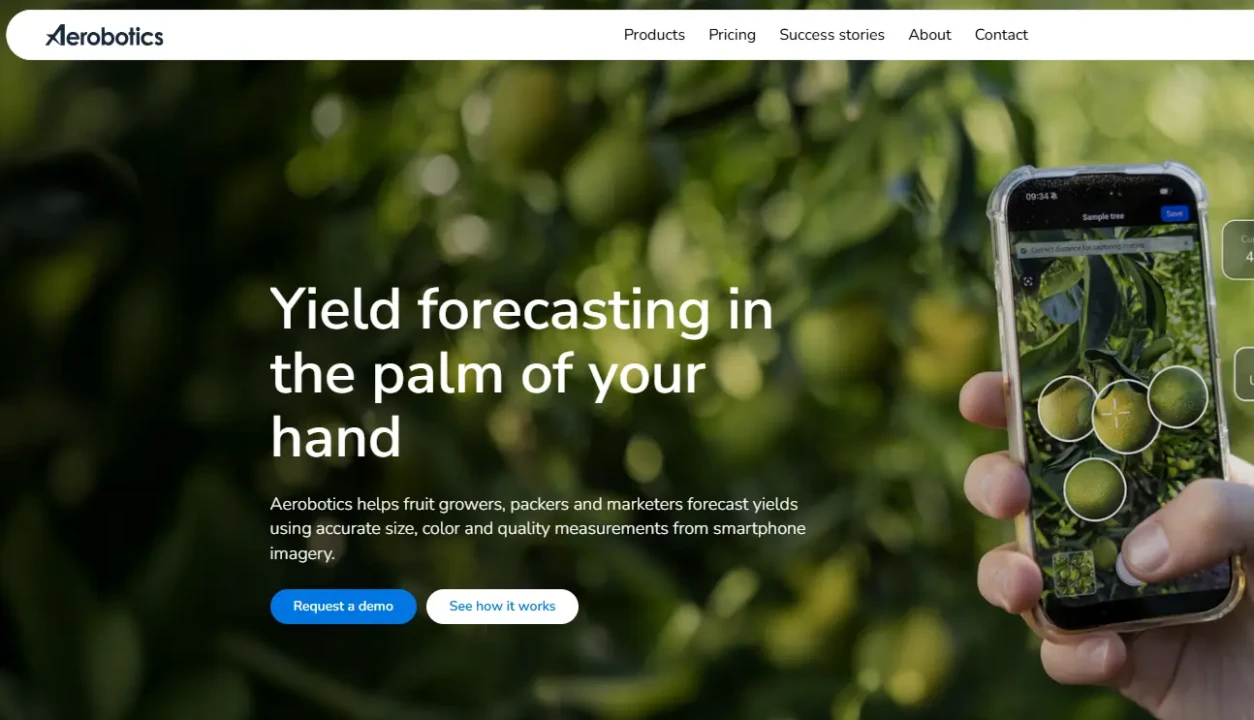
Aerobotics uses drone-mounted cameras and computer vision to give farmers precise, actionable intelligence about their crops. Its 95% accuracy in yield estimation is the kind of number that moves credit decisions and insurance calculations. Additionally, it has expanded beyond South Africa into broader African markets, building one of the continent’s most commercially validated AI agriculture plays.
Apollo Agriculture (Kenya)
Apollo Agriculture combines satellite imagery, AI credit scoring, and last-mile logistics to deliver farm inputs and financing to smallholder farmers in Kenya and beyond. It’s not just an AI tool; it’s a full-stack agricultural service that uses machine learning at every point in the value chain, from risk assessment to delivery routing. Furthermore, Apollo has demonstrated that AI-based agricultural credit can be both commercially viable and genuinely beneficial for farmers.
Zindi (Pan-African)
Zindi is Africa’s largest data science competition platform, connecting over 50,000 data scientists to real-world problems sponsored by governments, NGOs, and companies. It functions as both a talent development platform and an AI problem-solving marketplace. Moreover, Zindi is building the pipeline of African AI practitioners that the continent’s ecosystem desperately needs; channeling smart, ambitious people toward problems that matter.
The Language Problem: Why African AI Needs African Data
Here’s something most people outside Africa don’t appreciate. When you type something into ChatGPT in English, you’re benefiting from models trained on hundreds of billions of English words scraped from the internet.
Now imagine trying to do the same thing in Yoruba, a language spoken by 50 million people, and getting responses that are “mixed and hilarious,” as Lelapa AI’s Jade Abbott described after testing ChatGPT in isiZulu. That’s not a minor inconvenience. That’s a fundamental barrier to AI access for hundreds of millions of people.
Africa is the most linguistically diverse continent in the world, with over 2,000 languages. Of those, the overwhelming majority are digitally invisible. According to Brookings Institution research, only 0.02% of total internet content is in African languages, meaning there is 2,650 times more English content online than content in all African languages combined.
Consequently, AI models trained on internet data inherit this imbalance directly. When your language isn’t represented in training data, AI doesn’t just perform worse for you; it often generates responses that are culturally wrong, grammatically broken, or simply nonsensical.
The people solving this problem deserve serious attention. Lelapa AI’s InkubaLM is specifically designed for Swahili, Yoruba, IsiXhosa, Hausa, and IsiZulu, with a design philosophy built around efficiency rather than scale. Masakhane has been building African-language NLP infrastructure since 2019, releasing datasets and models that any researcher can access for free.
Additionally, in July 2025, Google announced a $37 million investment that specifically includes tools supporting over 40 African languages and deployed free Gemini AI Pro subscriptions to college students across eight African countries. Furthermore, in Ghana, Aya Data has been training large language models on culturally relevant datasets and has raised $900,000 to scale products such as AyaGrow and AyaSpeech.
Why does this matter beyond Africa? Building AI that works for low-resource languages (languages without vast digital archives) is one of the hardest problems in the field. The methods developed by African researchers to solve this problem for Yoruba or Amharic will inform how AI gets built for hundreds of other underserved languages globally. In this sense, Africa isn’t just catching up to global AI. It’s advancing it.
Infrastructure, Power, and the Real Barriers to AI in Africa
This is the section where you get the honest picture, because the barriers are real, and anyone telling you otherwise isn’t paying attention.
Power Supply
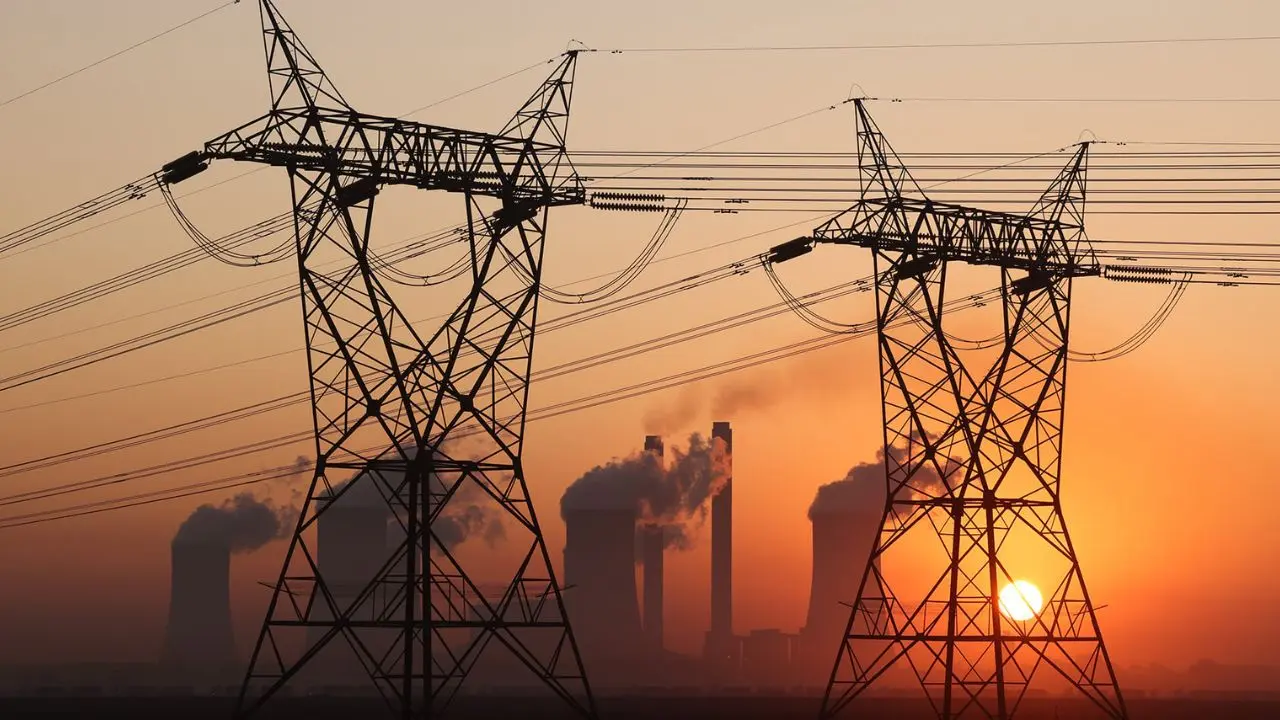
This is the foundational challenge. AI requires significant computing power.
Training a language model, running inference at scale, or operating a data center all demand reliable, affordable electricity. Yet today, one in two people in Africa lacks reliable access to power, according to the UNDP.
South Africa’s Lengau supercomputer, one of the continent’s fastest, has struggled to operate at full capacity because of the country’s infamous rolling blackouts. You cannot build intelligent systems on unstable grids. Consequently, this isn’t just an inconvenience for AI startups; it’s a structural constraint on the entire ecosystem.
Computer Access
Compute access is directly linked to that power problem. According to the World Economic Forum, Africa accounts for less than 1% of global data center capacity.
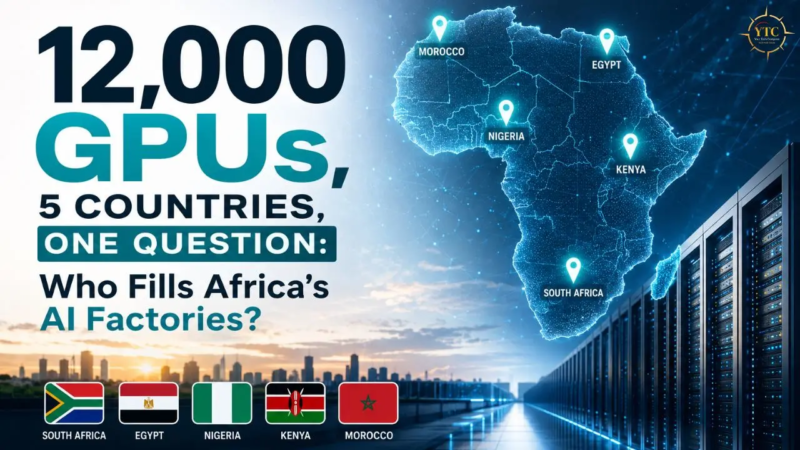
African AI innovators collectively face 7 million GPU hours of unmet demand for model training over the next three years, while only 5% of AI innovators on the continent have reliable access to advanced compute. The cost of GPU-based model training on international cloud platforms is simply out of reach for most African startups. That said, Cassava Technologies’ partnership with NVIDIA to deploy 12,000 GPUs through its AI Factory, and Nairobi’s IXAfrica partnership with Safaricom, are beginning to address this.
Connectivity Gaps
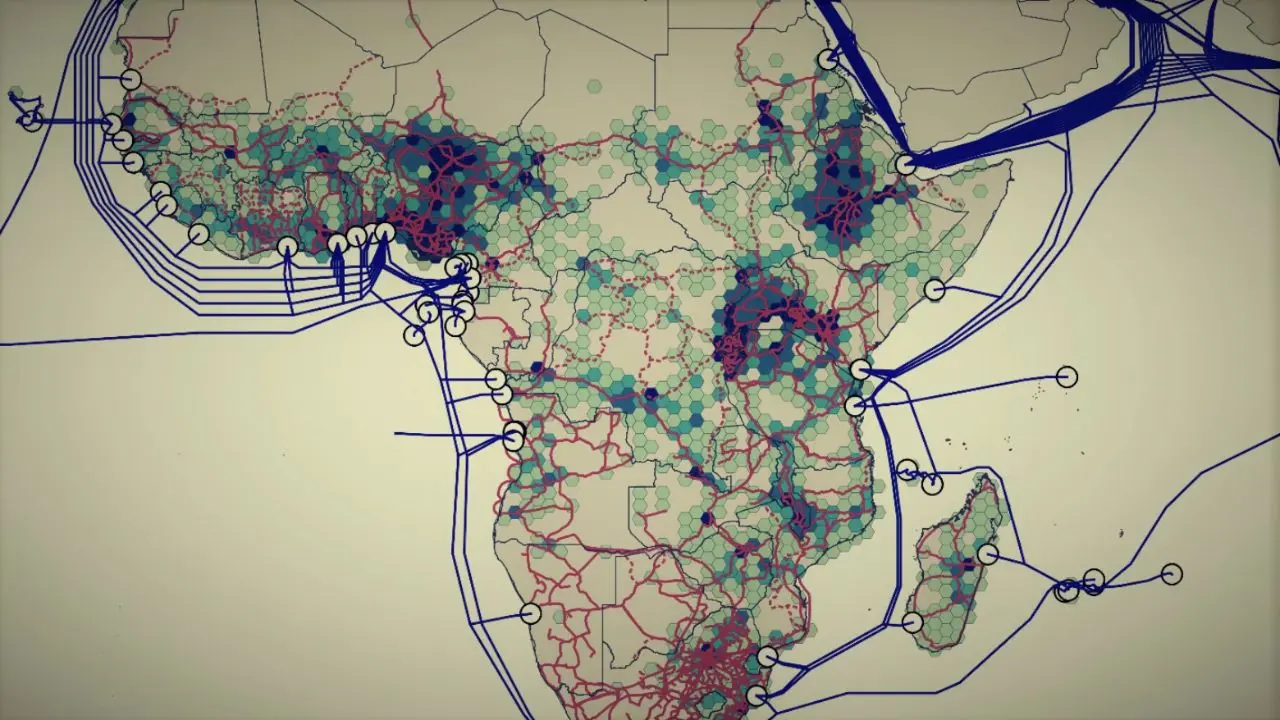
Connectivity gaps create a two-speed Africa problem. Urban centers in Nairobi, Lagos, Cairo, and Johannesburg have improved connectivity and a growing base of smartphone users.
However, rural Africa, where the majority of the continent’s agricultural population lives, still faces significant barriers to internet access. Consequently, AI applications that require real-time data or cloud processing struggle to reach exactly the people they’re designed to help.
Brain Drain
This is perhaps the most frustrating challenge to address. Africa currently houses only 3% of the global AI talent pool, according to the African Union’s estimates.
Furthermore, the talent that does emerge, trained at universities in Cape Town, Nairobi, Lagos, and Cairo, faces intense recruitment pressure from US, UK, and EU tech companies that offer salaries impossible to match locally. The result is an ecosystem that produces talent faster than it can retain it.
Regulatory Framework
Regulatory fragmentation means that a startup building AI for cross-border applications must navigate 54 different legal frameworks. Data privacy laws, AI governance standards, and digital economy regulations vary enormously across the continent.
Additionally, most African governments are still in the early stages of formalizing AI policy. The African Union adopted its Continental AI Strategy in July 2024, but implementation at the national level remains uneven.
Ethical AI and the Risk of Getting It Wrong in Africa
The ethical stakes of AI in Africa are not abstract. They are immediate and personal. And you need to understand them.
The most documented problem is bias in facial recognition. Research has shown that AI facial recognition systems trained primarily on lighter-skinned faces perform measurably worse on darker-skinned faces.
One study found that a model achieved 90% accuracy on Caucasian faces but only 81% on African faces, a disparity with real-world consequences in contexts such as banking identity verification, border security, and law enforcement. In South Africa, predictive policing algorithms have been found to disproportionately target low-income communities, creating surveillance harm rather than safety. Moreover, AI hiring and credit-scoring tools trained on historical data can perpetuate the very exclusions they’re meant to address if that historical data reflects systemic bias.
The core problem is data.
Algorithms trained on biased data produce biased outcomes. And most AI systems deployed in Africa are trained on data from elsewhere, meaning African users often receive the worst performance from the very systems that are supposed to serve them.
According to published research in Frontiers, “trust cannot flourish in an environment reliant on flawed AI.” That means the deployment of biased AI tools in high-stakes contexts (credit, healthcare, law enforcement) risks eroding trust in digital systems precisely when that trust is most needed for financial inclusion.
Encouragingly, African researchers are building ethical frameworks from scratch rather than inheriting legacy mistakes. The African Union’s Continental AI Strategy (2025–2030) explicitly addresses governance and ethical principles.
CMU-Africa researchers published work in February 2026 on making facial recognition systems fairer across skin tones. Furthermore, Masakhane’s entire operating philosophy integrates human evaluation and diverse test sets into model development, a practical expression of ethical AI practice. The opportunity here is real: Africa can design AI governance with inclusion and fairness as the founding principles, not as retrofitted afterthoughts.
Big Tech’s Role in African AI: Help or Dependency?

The three most powerful AI investors in Africa are not African. They are Google, Microsoft, and Meta, and their growing presence raises a question you deserve a straight answer to: Is big tech investment helping Africa build its own AI future, or creating a new kind of dependency?
The case for big tech investment is straightforward. Google’s Equiano submarine cable, Johannesburg cloud region, and $37 million AI commitment are delivering real infrastructure and tools. Microsoft’s $300 million pledge for South African AI and cloud infrastructure through 2027 includes data centers in Johannesburg and Cape Town that African startups can build on. Additionally, Meta’s No Language Left Behind (NLLB) project has produced multilingual translation models that include African languages, making tools more accessible to developers working in those languages.
However, the counterargument deserves equal weight. According to a Rest of World August 2025 investigation, some advocates argue that big tech’s “AI for good” projects in Africa risk exploiting the continent for data while eroding local control over digital infrastructure.
When African healthcare, agricultural, and behavioral data flow into foreign-owned cloud platforms, who owns the insights? Who benefits when that data improves a product sold globally?
Furthermore, if African startups and researchers primarily build on APIs and infrastructure owned by companies headquartered in California, they remain structurally dependent even as their technical skills grow. According to UNDP’s analysis, “who controls the infrastructure that underpins health, agriculture, finance, and education” is ultimately a question of economic justice, not just technical architecture.
The balanced position is this: big tech investment is necessary, but not sufficient. African builders need the capital, tools, and market visibility that Google and Microsoft bring. Additionally, they need the terms of that relationship to evolve toward a genuine partnership with African governments, universities, and startups, with these partners owning meaningful shares of the data, infrastructure, and intellectual property being created. The goal is co-creation, not extraction.
What the Future of AI in Africa Looks Like (2027–2030)
The direction of travel is clear. Here’s where the next several years are likely to take African AI.
African Large Language Models Will Arrive
The work being done by Lelapa AI, Masakhane, Awarri, and Aya Data is laying the foundation for genuinely African-built LLMs. By 2027–2028, expect to see models trained on African data, by African teams, deployed at scale in healthcare, education, and agriculture. Furthermore, these models will be small and efficient by design, because African infrastructure demands efficiency in ways Silicon Valley’s compute-rich environment does not.
AI-Powered Public Services Will Reach Meaningful Scale
Rwanda, Kenya, and Ghana are already piloting AI in government service delivery. As the African Union’s Continental AI Strategy advances toward its 2027 “consolidation phase,” more governments will deploy AI for tax collection, social transfers, and identity verification. Moreover, the AI 10 Billion Initiative launched at the Nairobi AI Forum 2026 has set a concrete roadmap with measurable milestones.
The Talent Flywheel Will Strengthen
Initiatives such as Zindi, ALX Africa, and Data Science Nigeria are producing AI practitioners with an 85% employment rate after graduation. Additionally, the Deep Learning Indaba, the continent’s premier annual AI research conference, is building a critical mass of African AI researchers. As diaspora talent begins returning to better-funded, better-equipped ecosystems, Africa’s 3% share of global AI talent will grow.
The Within-Africa Gap Is the Sober Warning
Investment remains concentrated in four countries. Rural and low-income populations risk being left behind even as urban centers advance. Without deliberate policy to distribute AI benefits broadly, across countries and communities, the continent risks replicating internally the same inequalities it’s trying to address globally.
FAQs
No single country leads in all dimensions. South Africa leads in AI infrastructure and data readiness, having attracted the largest-scale investment from Microsoft and other players. Nigeria leads in startup volume and fintech AI applications. Kenya leads in mobile-first AI applications for agriculture and healthcare. Rwanda leads in regulatory friendliness and government AI strategy. Egypt leads in North Africa, with a formal National AI Strategy since 2021 and the region’s largest talent pool.
The five biggest challenges are: inadequate and unreliable power supply; limited access to GPU-based computing infrastructure; connectivity gaps that exclude rural populations; brain drain of trained AI talent to better-funded foreign ecosystems; and fragmented regulation across 54 different national frameworks. Additionally, the near-total absence of African-language training data means that most AI models perform worse for African users than for users in English, Mandarin, or Spanish.
Yes, and this is growing rapidly. Lelapa AI’s InkubaLM is Africa’s first multilingual LLM, supporting five African languages. Masakhane has released over 400 open-source NLP models. Ubenwa has built a clinically tested AI diagnostic tool for newborn health. Aerobotics has built one of the world’s most accurate AI crop analytics platforms. Apollo Agriculture has deployed AI credit scoring for smallholder farmers at scale. The ecosystem of African-built AI is real, growing, and increasingly globally competitive.
Language is the single most important unsolved problem in African AI. With over 2,000 languages and only 0.02% of internet content in African languages, most AI models are essentially blind to the continent’s linguistic reality. When AI can’t understand or generate text in Hausa, Amharic, or Kinyarwanda, it can’t serve the hundreds of millions of people who communicate in those languages. Consequently, every AI application, from healthcare chatbots to agricultural advisory tools, underperforms for African users until the language problem is solved.
Conclusion
Africa’s AI story in 2026 is two stories running simultaneously. The first is the story of real, ground-level innovation, farmers getting crop diagnostics on their phones, newborns being assessed for asphyxia by a smartphone microphone, and small business owners accessing credit based on their mobile transaction history. These aren’t pilots. They’re products, deployed at scale, improving lives. Furthermore, the builders driving this work (at Lelapa AI, Masakhane, Apollo Agriculture, Ubenwa, and dozens of other startups) are world-class technologists solving world-class problems. The $10 billion AI initiative announced in February 2026, the GSMA’s pan-African language model collaboration, and Google’s and Microsoft’s deepening commitments all signal that the world has noticed.
The second story is the honest one: the infrastructure gap is real, the brain drain is real, the risk of building on foreign-owned rails is real, and the risk of AI widening Africa’s internal inequalities is real. You can hold both stories at once without contradiction. Africa’s AI moment is genuinely here, but it will only deliver on its trillion-dollar potential if investment reaches beyond the Big Four hubs, if African governments build sovereignty into their digital policies, and if the language and data gaps get the resources they deserve. Additionally, if you want to stay close to how this story unfolds, our AI in Africa coverage will keep you updated.
The builders are already at work. The models are already being trained. The only question is whether you’re paying attention. Follow Your Tech Compass for in-depth African tech coverage that goes beyond the headlines, because the AI story being written on this continent is one you don’t want to miss.