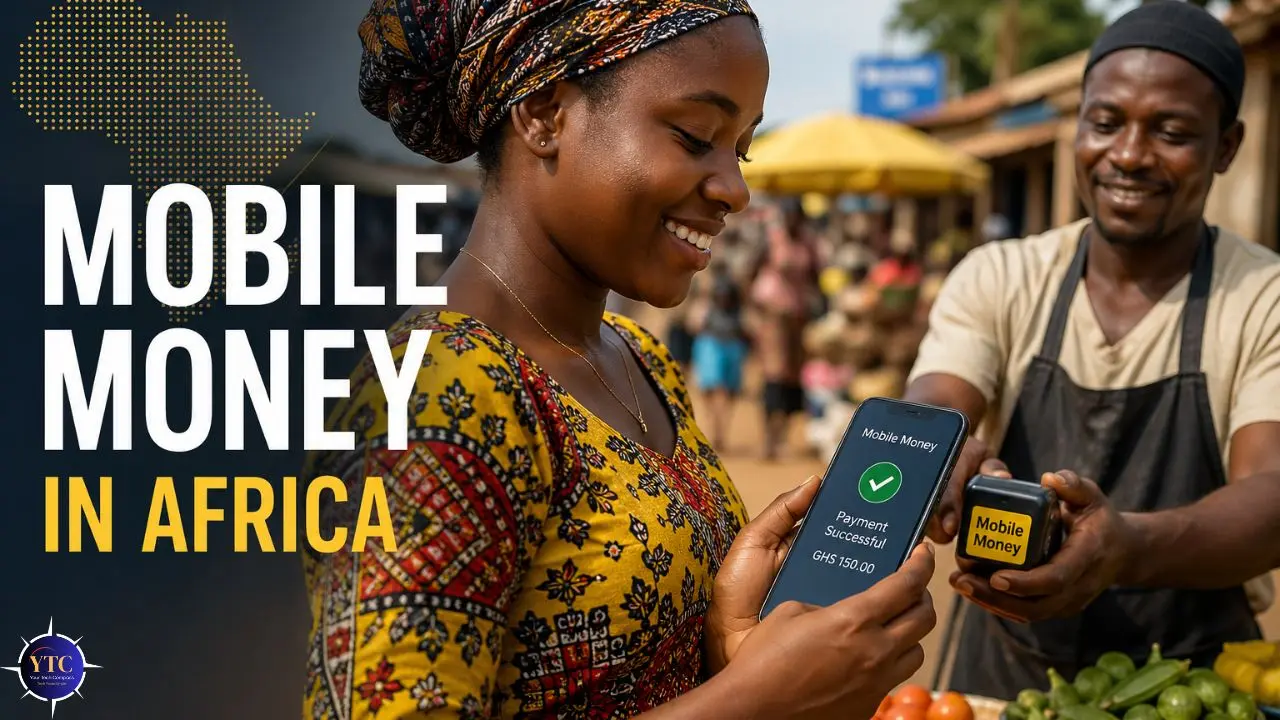
More than $1.4 trillion flowed through mobile money wallets in Sub-Saharan Africa alone in 2025. That single number should stop you in your tracks. According to the GSMA’s State of the Industry Report on Mobile Money 2026, Africa accounted for 66% of the world’s mobile money transaction value, mostly on basic smartphones, with no single bank branch involved. If you’ve ever wondered why the world keeps looking at Africa when fintech conversations come up, that number is your answer.
This guide is for you, whether you’re a curious reader, an entrepreneur sizing up opportunities, an investor tracking where capital is flowing, or simply someone trying to make sense of digital payments on the continent. We’ll walk through everything: how mobile money works, which platforms dominate, which startups are reshaping the landscape in 2026, what’s still broken, and where it’s all headed. Additionally, you’ll walk away with a clear, grounded understanding of Africa’s most transformative financial story.
What Is Mobile Money? (And Why Africa Leads the World)
Mobile money is exactly what it sounds like. It lets you store, send, receive, and spend money using your mobile phone; no bank account required. You register with a telecom provider or licensed fintech, deposit cash through a local agent, and suddenly your phone becomes your wallet. Consequently, hundreds of millions of people who were locked out of formal banking now have full access to financial services.
So why does Africa lead the world in mobile money? The answer comes down to three powerful forces working together. First, mobile phone penetration outpaced banking infrastructure across the continent. Second, roughly 57% of African adults remained unbanked as recently as 2023, according to World Bank Findex data, creating a massive demand for alternatives. Third, regulators in key markets chose to embrace mobile money early, giving it room to grow before the rules caught up.
Moreover, mobile money in Africa isn’t a niche product. It’s the primary financial tool for hundreds of millions of people. Fintech in Africa sits within the broader ecosystem built on that foundation, covering everything from digital lending and insurance to cross-border payments and embedded finance. Understanding one means understanding the other.
A Brief History: From M-Pesa to a Continent-Wide Movement
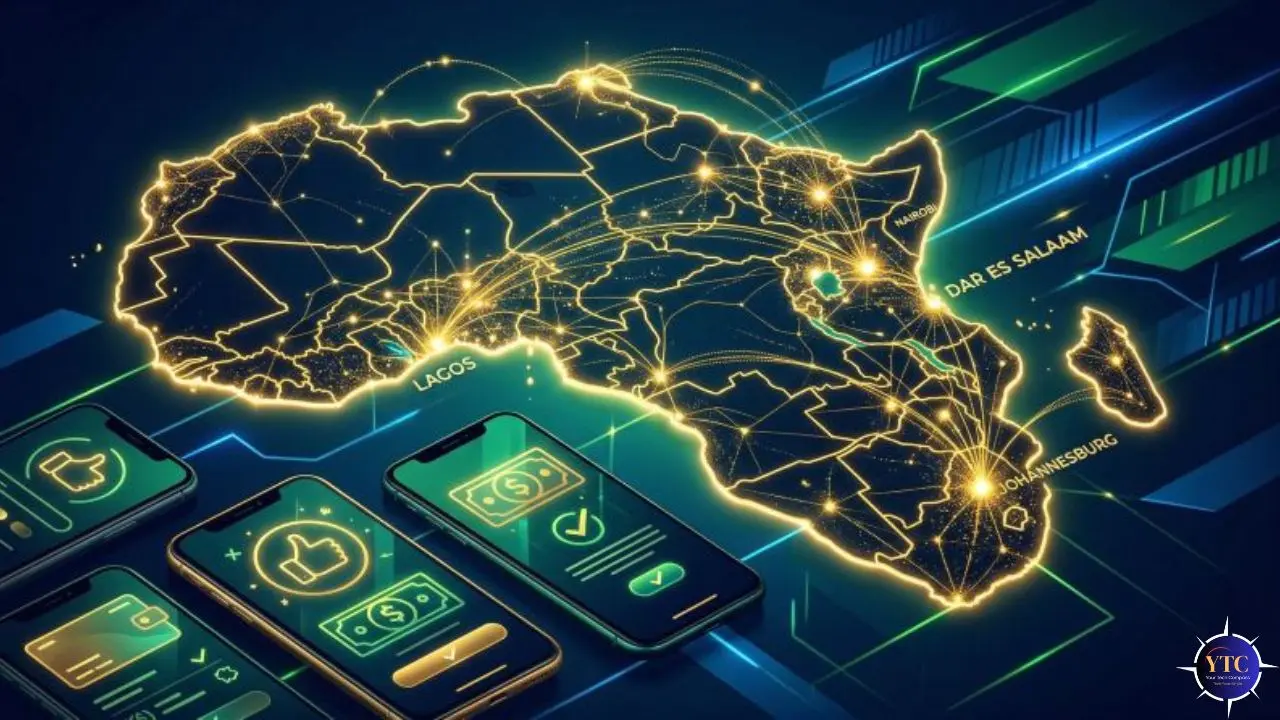
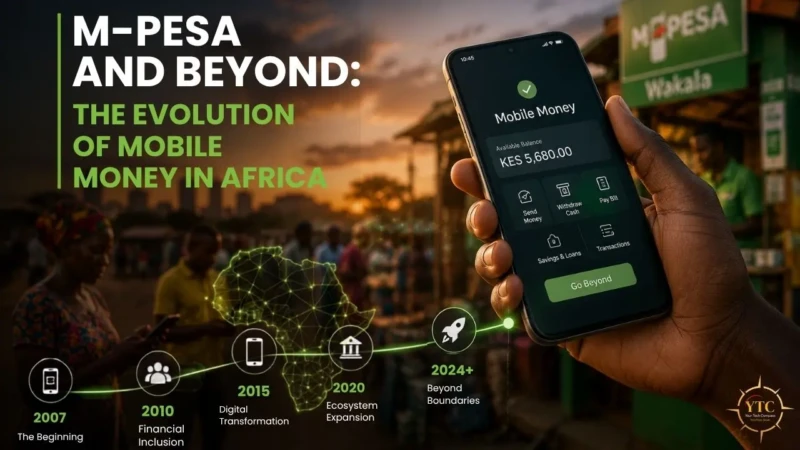
The story starts in 2007 in Kenya. Safaricom, a telecommunications company founded in 1997 and backed by Vodafone, launched M-Pesa, a simple service that lets Kenyans send money via SMS. The name means “mobile money” in Swahili. Nobody fully anticipated what would happen next. Within three years, M-Pesa had more registered users than Kenya had bank account holders. Furthermore, it was doing something banks had failed to do for decades: reaching ordinary people in their everyday lives.
Between 2010 and 2015, the model spread. Tanzania, Uganda, Ghana, Côte d’Ivoire, and Senegal all saw mobile money deployments. MTN, Airtel, and Orange (the continent’s biggest telecoms) each launched their own wallets. Meanwhile, West Africa began building its own ecosystem independent of East Africa’s M-Pesa dominance. The diversity of platforms that emerged during this period is one reason Africa today has more live mobile money services than any other region on earth.
From 2016 to 2020, the second wave arrived. Startups like Flutterwave (founded in 2016 by Nigerian entrepreneurs Olugbenga Agboola and Iyinoluwa Aboyeji), Chipper Cash (founded in 2018 by Ham Serunjogi, who is Ugandan, and Maijid Moujaled, Ghanaian), and Wave (founded in 2018 by Americans Drew Durbin and Lincoln Quirk) entered the scene with a different mission: not just person-to-person transfers, but business payments, cross-border remittances, and infrastructure plays.
That said, these years were also marked by growing pains: regulatory friction, fraud challenges, and the realization that interoperability between competing platforms was nearly nonexistent. Consolidation began in 2021 and continued through 2024. Bigger players started acquiring smaller ones, regulators tightened licensing requirements, and the sector matured from a scrappy startup story into serious financial infrastructure.
In 2025 and into 2026, the frontier has moved again. This time, toward AI-driven credit scoring, embedded finance, and stablecoin-powered cross-border payments.
The Biggest Mobile Money Platforms in Africa (2026)
You need to know the key players to understand the landscape. Here’s a breakdown of the dominant platforms and an honest look at what each one does well and where it falls short.
Platform Comparison Table
Platform | Primary Region | Key Strength | Honest Limitation |
M-Pesa | East Africa | Ecosystem depth, merchant payments | Higher fees, limited expansion outside East Africa |
MTN MoMo | West & Central Africa | Largest account base, API access | Inconsistent UX by country |
Airtel Money | East & Central Africa | Wide geographic footprint | Thin product depth vs. M-Pesa |
Orange Money | Francophone Africa | Serves underserved Francophone markets | Losing ground to Wave in key markets |
Wave | West Africa (Senegal, Côte d’Ivoire, Cameroon) | Near-zero fees | Profitability model unproven at scale |
GoTyme | South Africa | No-fee digital banking, retail onboarding | Operates in an already-banked market |
M-Pesa
The story of what would become a groundbreaking innovation begins in the early 2000s, when Kenya’s banking sector was extremely limited, and most people relied on informal systems, such as sending money through friends or bus drivers. In May 2000, Vodafone Group PLC acquired a 40% stake in Safaricom, and in 2003, Nick Hughes, then the Head of Social Enterprise at Vodafone, proposed creating a product that would allow people to access financial services via their mobile phones.
On 6th March, 2007, the world’s first mobile money payment platform, M-Pesa, was officially launched. And it was an instant hit. In November of the same year, it had over 1 million users.
M-Pesa remains Africa’s most recognized mobile money brand. Operating in Kenya, Tanzania, Ethiopia, Mozambique, the DRC, Lesotho, and Egypt, it has processed trillions of shillings in transactions since its launch in 2007.
In Kenya alone, M-Pesa is essentially the national payment rail and is used for everything from school fees to merchant payments to government disbursements. Furthermore, Safaricom has expanded M-Pesa into a super-app ecosystem, adding services such as M-Shwari (savings and credit), Fuliza (overdraft), and Lipa na M-Pesa (merchant payments).
Honest Limitation
M-Pesa’s dominance in Kenya has created a near-monopoly dynamic. Fees, while declining, remain higher than challenger platforms like Wave. Its expansion outside East Africa has been slower than its brand suggests.
MTN Mobile Money (MoMo)
MTN MoMo is the largest mobile money platform by the number of registered accounts in West and Central Africa. It operates across more than 16 African countries, including Ghana, Uganda, Côte d’Ivoire, Cameroon, and Zambia. Outside Africa, you can receive funds to a MoMo wallet in Canada, China, India, Turkey, and the Philippines.
MoMo was first launched in Uganda by the MTN Group in 2008 and later expanded to other African countries. But unlike M-Pesa, which was first rolled out in one country before later expanding, MTN took a multi-market approach, launching MoMo in Ghana, the Ivory Coast (also known as Côte d’Ivoire), Cameroon, and Zambia simultaneously.
In 2025, West Africa’s mobile money platforms collectively processed approximately $498 billion in transactions, with MTN MoMo powering a significant share of that volume. Additionally, MTN has been aggressively expanding MoMo’s API layer, enabling businesses to integrate mobile payments into their own apps.
Honest Limitation
MoMo’s user experience varies significantly by country. In some markets, network reliability and customer service quality lag behind the brand’s positioning.
Airtel Money
Airtel Money was launched in 2009 by Airtel Africa, and it covers much of East and Central Africa, including Kenya, Uganda, Tanzania, Zambia, Malawi, and the DRC. It competes directly with M-Pesa in East Africa and with MTN MoMo in Central Africa.
And even though it holds the number-two position in most markets where both operate, Airtel Africa started closing the gap in 2019 after its successful IPO. Airtel has been investing heavily in improving its agent network and interoperability agreements. The results speak for themselves, as Airtel has gained serious traction in markets such as Malawi, Tanzania, and Uganda.
Like M-Pesa, Airtel Money is no longer just a money transfer platform. It has evolved into a broad financial ecosystem offering savings and micro-loans, airtime and bill payments, merchant payments, and international remittances.
Honest Limitation
Airtel Money has struggled to close the gap with dominant local players in its core markets, and its product depth remains thinner than that of M-Pesa.
Orange Money
Orange Money was launched in 2008 by Orange S.A. (a French multinational telecommunications corporation founded in 1988 and headquartered in Issy-les-Moulineaux, near Paris) in Côte d’Ivoire before expanding into Senegal and Mali. At the time, Francophone West Africa had high mobile phone usage, fragmented financial infrastructure, and low banking penetration, creating a perfect opportunity for a mobile money platform to thrive.
By 2018, Orange Money had a strong footprint in West and Central Africa, with over 40 million customers across countries including Senegal, Mali, Côte d’Ivoire, Cameroon, Burkina Faso, the Democratic Republic of the Congo (DRC), and Guinea. In 2025, West Africa had 76 live mobile money services, the most of any region globally, and Orange Money is a central pillar of that ecosystem.
Honest Limitation
Orange Money faces stiff competition from Wave in Senegal and Côte d’Ivoire, where the low-fee challenger has captured significant market share.
Wave
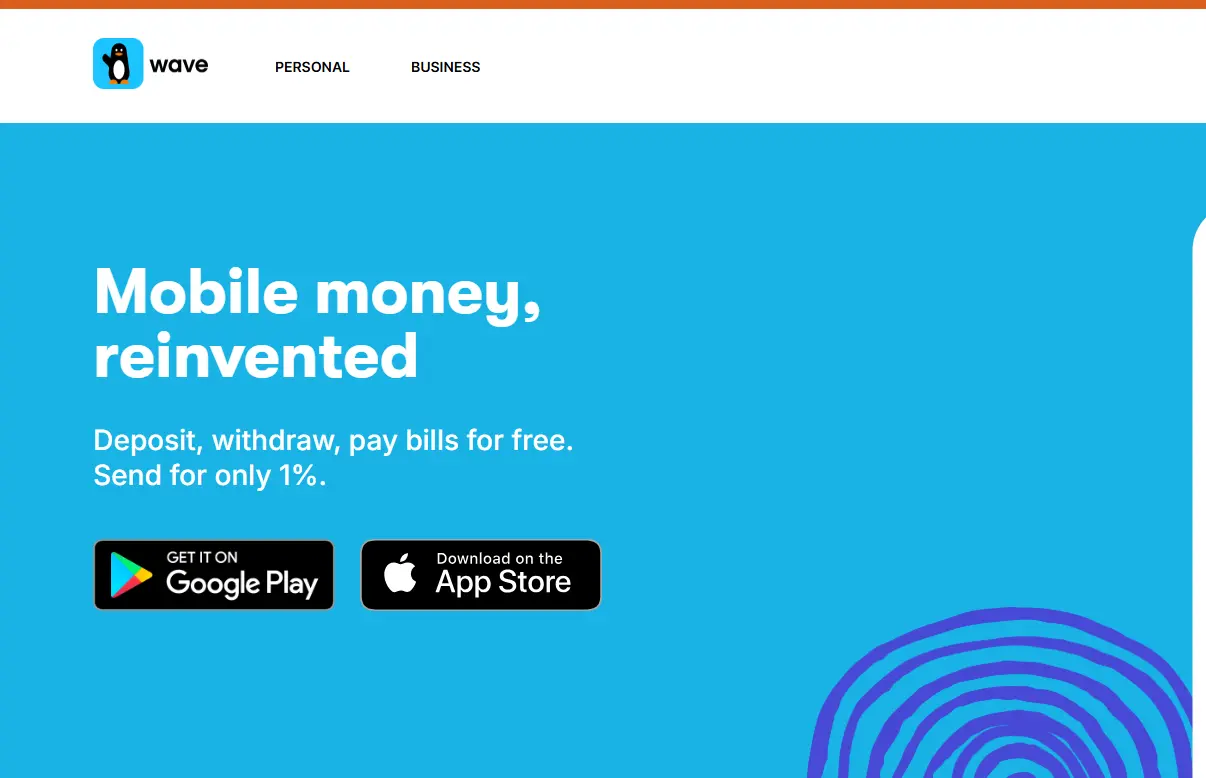
Wave is the disruptor you need to watch closely. Operating primarily in Senegal and Côte d’Ivoire, Wave Mobile Money entered the market in 2018 with a radically simple proposition: near-zero fees. The plan was simple: disrupt costly, telecom-controlled mobile money systems, and it worked.
While M-Pesa and MoMo typically charge between 1% and 3% per transaction, Wave charges a flat 1% or less, and in many cases, is free for basic transfers. Consequently, Wave rapidly captured millions of users in Senegal and Côte d’Ivoire. In 2025, Wave also launched operations in Cameroon, extending its low-cost model into new territory. Today, it has over 20 million monthly active users.
Honest Limitation
Wave’s business model depends on scale for profitability. It remains heavily venture-backed, and its path to sustainable revenue remains under test.
GoTyme (formerly TymeBank)
GoTyme Bank takes a different approach. Rather than being telecom-led, it’s a fully digital bank operating in South Africa and part of the Tyme Group, which also operates GoTyme in the Philippines. It was founded in 2012 as “Take Your Money Everywhere” and later became South Africa’s first profitable digital bank, providing mobile money services to GoTyme users.
Today, GoTyme Bank has over 15 million customers globally, and in 2025, it was recognized by TIME magazine as one of the world’s most influential companies. It combines no-fee banking with kiosk-based onboarding at major retailers like Pick n Pay and Boxer.
Honest Limitation
TymeBank operates in South Africa’s already-banked market, so its impact on financial inclusion is less dramatic than that of mobile money platforms in less-banked regions.
Cross-Border Payments: Africa’s Biggest Fintech Frontier
Here’s something that surprises many people. You can send money from the US to Kenya in seconds, but sending that same money from Kenya to South Africa or Senegal can take days and cost more. That’s the paradox at the heart of African fintech in 2026, and it’s the problem every serious player is racing to solve.
The root cause is fragmentation. Africa has 54 countries, 42 currencies, and dozens of incompatible payment systems. Historically, most intra-African transactions were routed through correspondent banks in New York or London, adding cost, time, and unnecessary foreign-currency exposure. According to AfricaNenda, sending $200 within Africa still costs an average of 7.9%, more than double the 3% target set by the UN’s Sustainable Development Goals.
The most important structural fix is the Pan-African Payment and Settlement System, or PAPSS. Launched in January 2022 by the African Union and Afreximbank, PAPSS allows real-time cross-border payments in local African currencies, bypassing foreign currencies entirely.
As of 2025, PAPSS had expanded to 19 countries, connecting over 150 commercial banks and 14 national payment switches. Furthermore, KCB Group in Kenya and Bank of Kigali in Rwanda joined PAPSS in February 2025, making them the first in their respective countries to enable the system. In June 2025, PAPSS launched its “PAPSSCARD” (Africa’s first continental card scheme), and in July 2025, it launched the African Currency Marketplace for direct peer-to-peer exchange of African currencies.
That said, progress is slower than the vision calls for. According to data from the UN Economic Commission for Africa, intra-African trade stood at just 16% of total trade in 2024, barely changed from 15% in 2019. Moreover, only 18% of African financial executives in a 2025 Deloitte survey expected “transformational impact” from PAPSS in the near term.
Major markets like South Africa have not yet officially joined the network. Meanwhile, startups continue to outpace the infrastructure. Nala, Chipper Cash, and Flutterwave’s SendApp are all operating on cross-border corridors today, using creative workarounds while the structural pipes are being laid.
Regulation and Government Policy Across Africa
Regulation is the invisible force that either accelerates or blocks fintech progress. Understanding it helps you make sense of why some markets thrive and others stall.
The core tension is familiar: regulators want to protect consumers and maintain financial stability. Fintechs want speed, flexibility, and room to experiment. In practice, the best African markets have found ways to serve both goals. Kenya’s Central Bank (CBK) has been a global example of progressive mobile money regulation, creating clear licensing frameworks early on that gave M-Pesa room to grow while maintaining oversight.
Nigeria’s Central Bank (CBN) has taken a more interventionist approach, aggressively driving financial inclusion through policies such as the agent banking framework, while also imposing restrictions that periodically disrupted operations. In April 2026, the CBN confirmed upgrades to the banking licenses of several major fintechs, signaling that regulators now view fintech as critical infrastructure rather than just a startup sector.
Rwanda stands out as the continent’s most fintech-friendly environment. The National Bank of Rwanda (BNR) has operated a regulatory sandbox since 2020, allowing fintechs to test products under supervised conditions before full licensing. Consequently, Kigali has attracted a disproportionate number of fintech headquarters relative to its population.
South Africa’s regulatory environment, managed by the South African Reserve Bank (SARB), is rigorous and compliance-heavy, suitable for a more established market but creates barriers for new entrants. Furthermore, the challenge across the continent remains consistency: 54 countries mean 54 different regulatory frameworks, and navigating that patchwork is one of the biggest operational costs for any fintech trying to scale pan-African.
How Mobile Money Is Transforming Everyday Life in Africa
Numbers tell you the scale. Stories tell you the why. Here’s where mobile money is changing real lives across the continent.
Agriculture
Africa’s smallholder farmers were historically paid in cash after harvest, which meant carrying money through unsafe roads, relying on middlemen, and having no transaction record for credit applications. Mobile money changed that entirely. It gave farmers instant access to payments, credit, and insurance, reducing reliance on cash and boosting productivity across the value chain.
To appreciate the importance of Agriculture in Africa, you have to look at the figures. According to the International Labor Organization, Agriculture employs over 50% of Africa’s population, with employment shares of 60% to 85% in countries such as Burundi, Chad, the Central African Republic, Madagascar, Angola, and Malawi. In addition, it contributes approximately 17% of Africa’s GDP.
Today, platforms like M-Pesa and MTN MoMo allow agribusinesses to pay farmers directly into mobile wallets instantly. Furthermore, digital payment records now serve as credit histories, enabling farmers to access mobile loans for seeds, fertilizer, and equipment. Organizations such as Mercy Corps and the World Food Program have used mobile money to disburse agricultural support in Kenya, Uganda, and Ethiopia, reaching farmers who previously had no financial touchpoints.
Healthcare

Paying for healthcare was, until recently, a deeply cash-dependent experience across most of Africa. That meant delayed care when cash wasn’t available.
Mobile money has enabled patients across Africa to pay for consultations, prescriptions, and hospital bills from their phones. In addition, hospitals and pharmacies can use mobile money to reduce cash-handling risks and significantly improve record-keeping. In Kenya, for instance, M-Pesa integrations allow clinics to automate billing and receipts, significantly reducing wait times.
When it comes to insurance, most African countries struggle to collect health insurance premiums, especially in rural areas. Now, in countries such as Kenya and Ghana, thanks to mobile money, the process has been streamlined, and the premiums can be deducted via mobile money wallets. As a result, mobile-enabled micro-health insurance products are expanding access to coverage for people who could never afford traditional policies.
Mobile money has also had a major impact on the healthcare supply chain and NGO efficiency. This is because NGOs use mobile money to distribute funds to community health workers and to track spending transparently. In addition, pharmacies and healthcare suppliers use mobile money to pay for stock and deliveries, significantly improving supply chain reliability.
Education
Africa has over 250 million school-going children, and school fees and access to quality education are among the most consistent payment needs for African families. They’ve long driven parents to travel long distances with cash, as rural schools often relied on cash-based systems, which were slow and insecure. But mobile money has made fee payment seamless.
Today, parents can pay for tuition, uniforms, and exam fees directly via mobile wallets. Platforms like M-Pesa (Kenya) and MTN (Ghana) integrate with school systems to automate receipt processing and reduce queues. Mobile money also enhances transparency in the education sector, helping the schools track payments and plan budgets more effectively.
Scholarship disbursements from government and NGO programs increasingly flow through mobile wallets, ensuring speed and reducing leakage. This is because mobile money enables instant scholarship disbursement to students without bank accounts.
Mobile money also greatly improves digital access and e-learning. This is because students can buy data bundles, pay for online classes, and download educational apps. EdTech startups such as Eneza Education (based in Kenya) and Ubongo (based in Tanzania) rely on mobile payments to scale access to learning, creating a connected learning ecosystem across urban and rural communities.
Small Businesses
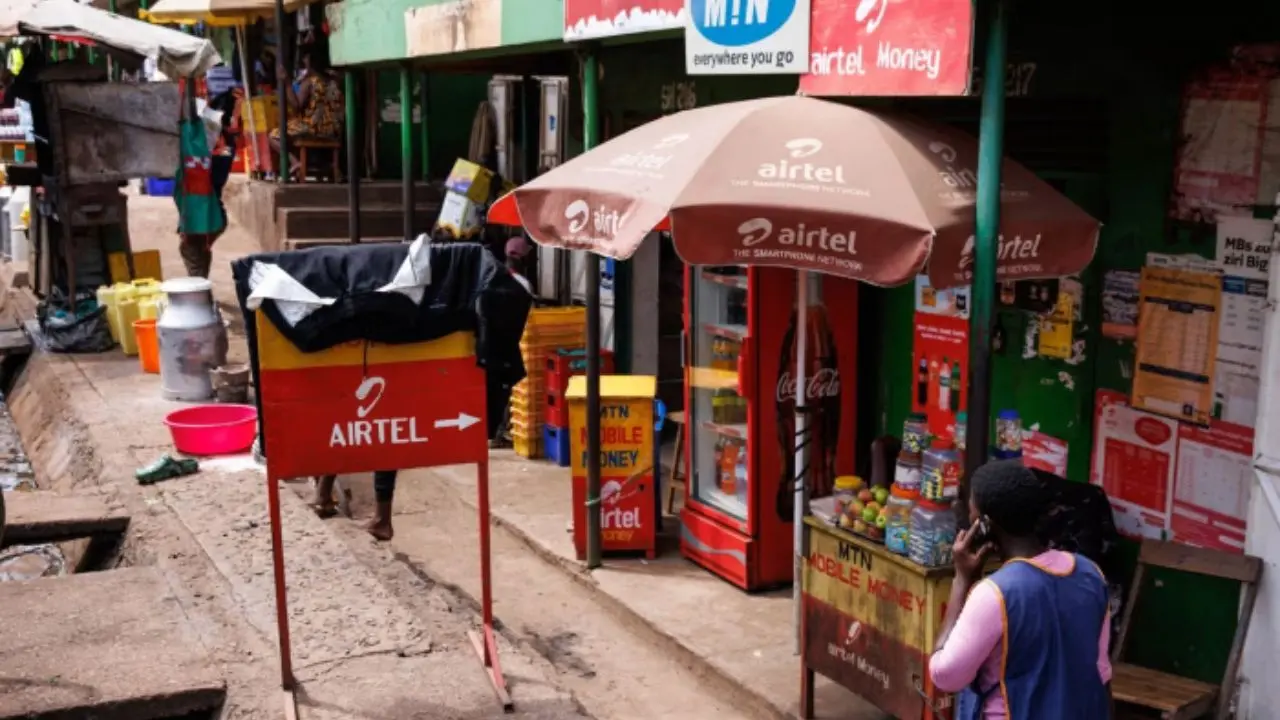
Over 90% of African businesses are micro-, small-, and medium-sized enterprises (MSMEs). These MSMEs employ two-thirds of Africa’s workforce but often lack access to formal banking services. This cash dependency significantly limits their transparency and growth.
MSMEs are arguably the biggest beneficiaries of mobile money. Platforms like Moniepoint have built entire ecosystems around business banking, offering POS terminals, digital invoicing, payroll management, and short-term working capital loans. As a result, small shop owners who previously managed everything in a cash tin now have real-time financial dashboards.
Business credit, once available only to large corporations with formal bank relationships, is now accessible based on mobile transaction history. This is because transaction histories create digital footprints that help small businesses qualify for loans. Services such as M-Shwari (Kenya) and MoMo Advance (Ghana and Uganda) provide microloans directly through mobile wallets.
Also, thanks to mobile money, small businesses can pay suppliers digitally, ensuring faster restocking and more transparent records. Furthermore, wholesalers and cooperatives use mobile money to streamline bulk payments, reducing delays and strengthening the supply chain reliability.
Remittances
Africa receives roughly $97 billion annually in diaspora remittances, forming a critical source of household income. And before mobile money, traditional channels (banks and money transfer operators) often charged fees of 7% to 10% and required long wait times. This made it difficult and expensive for rural families to access diaspora remittances, as most lacked bank accounts.
Mobile money was the game changer. These platforms made it easier to access remittances and lowered costs by slashing fees from 7%–10% to 1–3%, saving families billions. Services like Nala, LemFi, and Flutterwave’s SendApp allow the African diaspora to send money home at a fraction of the cost of legacy providers. Consequently, more money reaches families, and it arrives faster.
Risks, Challenges, and Honest Limitations
No guide worth reading would be complete without the hard truths. Here’s what you should know before you celebrate Africa’s fintech revolution.
Fraud and Scams
Mobile money fraud is a real and growing problem. Something I have personally experienced here in Kenya.
SIM swap fraud (where attackers trick telecoms into transferring your phone number to their SIM card) has cost users millions across Kenya, Ghana, and Nigeria. Phishing scams targeting mobile money users are increasingly sophisticated. Additionally, agent fraud, where registered mobile money agents deliberately overcharge or shortchange customers, remains a persistent issue, particularly in rural areas with limited literacy and oversight. The GSMA’s 2026 report noted that fraud remains widespread and continues to weigh on financial inclusion, even as the number of accounts grows.
Connectivity Gaps
Over 600 million Africans still lack reliable internet access. Mobile money has done remarkably well by using basic SMS and USSD codes, meaning it works even on feature phones without data.
However, as platforms add richer features like digital lending, savings dashboards, and insurance products, users with basic connectivity are increasingly left behind. Rural and remote populations (often the most financially excluded) face the deepest connectivity barriers.
Interoperability
One of the most frustrating realities of African mobile money is this: if you use M-Pesa and your friend uses Airtel Money, sending money between you often requires extra steps, higher fees, or simply isn’t possible in some markets. Despite years of advocacy, true platform interoperability remains limited in many countries.
Tanzania and Ghana have made the most progress with interoperability mandates. In contrast, larger markets like Nigeria and the DRC still have significant gaps.
Over-Indebtedness from Digital Lending
The ease of accessing mobile loans is a double-edged sword. Platforms like Tala, Branch, and dozens of local digital lenders have made credit available to people who had none, but at annual percentage rates that can exceed 100% when fees are factored in.
As a result, digital over-indebtedness has become a documented problem in Kenya and Uganda, with some borrowers cycling through multiple loans simultaneously. Responsible lending standards are improving, but enforcement remains uneven.
Data Privacy
When you use mobile money, you generate a detailed record of your financial life. Who owns that data, how it’s used, and what protections you have vary enormously across African jurisdictions.
Additionally, as AI-driven credit scoring tools use transaction data to assess risk, questions around algorithmic bias and transparency are growing. This is one of the most under-discussed risks in African fintech, and it directly affects you.
FAQs
M-Pesa holds that title in East Africa, particularly in Kenya, where it is used by the majority of adults. However, MTN Mobile Money (MoMo) leads in registered account numbers across the broader continent, given its presence across 16+ countries in West and Central Africa.
Generally, yes, for everyday transactions. Regulated platforms under central bank oversight offer consumer protections, and PIN-based security provides a basic layer of safety. That said, SIM swap fraud and phishing attacks are real risks. You should protect your PIN carefully, never share it with anyone, and register your SIM with your national ID where required.
It’s getting easier, but it’s not yet seamless. Systems like PAPSS are building the infrastructure for real-time cross-border payments in local currencies. Startups like Nala and Chipper Cash already enable cross-border transfers on specific corridors. In practice, availability depends on which countries you’re sending to and which platforms you both use.
You register with a telecom provider or licensed mobile money operator using your national ID. You then deposit cash through an authorized agent, typically a small shop displaying the platform’s branding. That cash converts to a digital balance on your phone, which you can send, spend, or save using basic USSD codes, no internet connection or bank account required.
Mobile money is primarily SIM-based, works on any phone, including feature phones, and is operated mainly by telecom companies. It focuses on basic transfers, payments, and agent-based cash-in/cash-out. Digital banking, as offered by platforms like Kuda or TymeBank, runs on smartphones via dedicated apps and offers the full range of traditional banking services, including savings accounts, interest, debit cards, and sometimes credit. The two are converging rapidly as mobile money platforms add banking features.
Conclusion
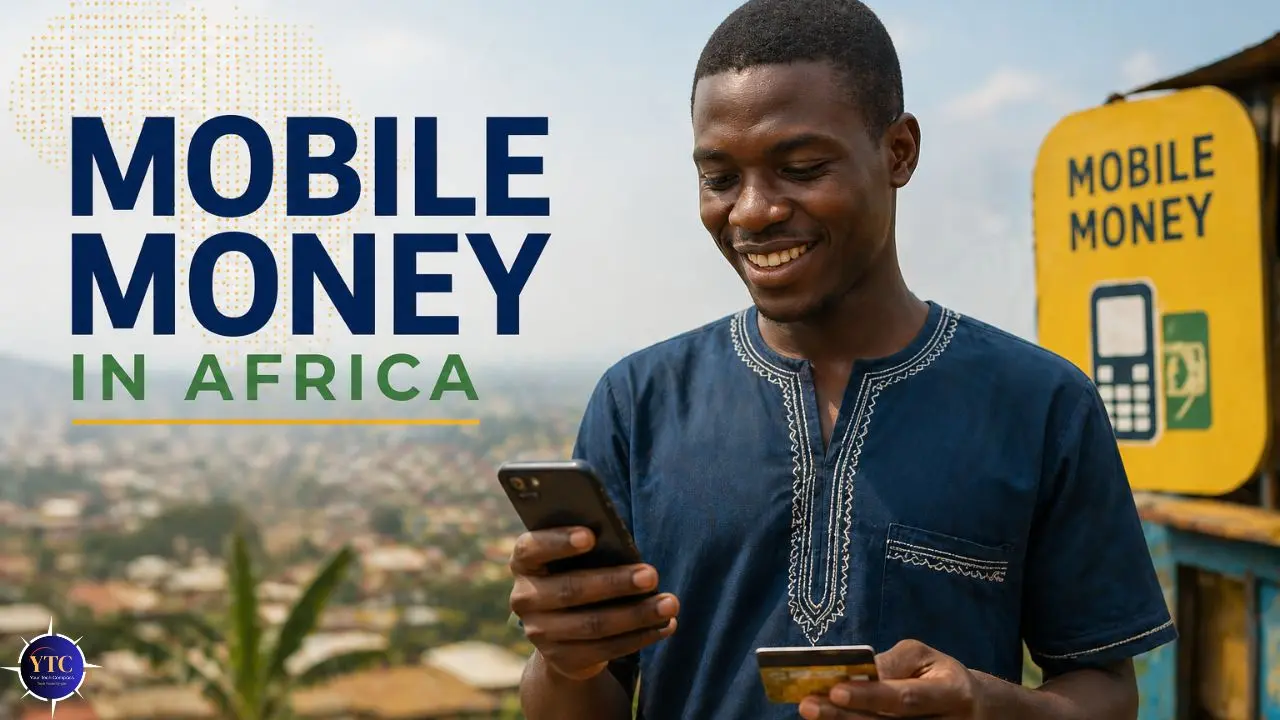
Africa’s mobile money and fintech story isn’t a story about technology. It’s a story about access. Also, it’s about the farmer in western Uganda who can now receive payment for her harvest without having to walk to town. It’s about the small business owner in Lagos who has a credit history for the first time in his life. It’s about the family in Dakar that no longer loses 8% of every remittance to fees. Furthermore, with $1.4 trillion transacted in Sub-Saharan Africa in 2025, this is now one of the most consequential financial developments globally, not just in Africa.
You’re watching the foundation of an entirely new financial architecture being built in real time. The challenges are real: fraud, connectivity gaps, regulatory fragmentation, and over-indebtedness all deserve your attention. But the trajectory is unmistakable. Additionally, the pace of innovation, driven by startups such as Flutterwave, Moniepoint, Nala, and Pezesha, as well as platforms such as M-Pesa and MTN MoMo, shows no signs of slowing. If you want to understand where global fintech is headed, keep an eye on Africa. The answers are already being written here.
Africa’s financial revolution is happening in real time, and the smartest move you can make right now is to stay informed. Bookmark Your Tech Compass and come back every week for the latest on African fintech, mobile money trends, and the startups reshaping how a continent handles money.