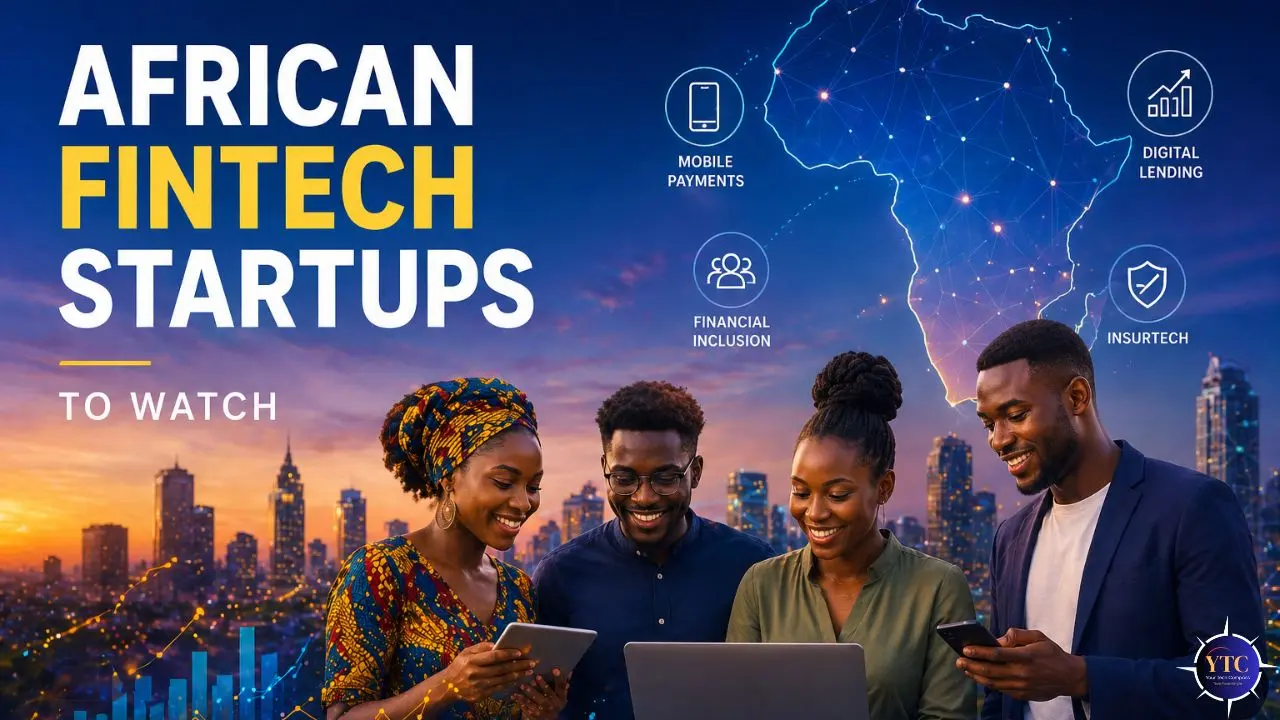
African fintech startups raised $693.9 million in 2025 alone, a 41.9% jump from the year before, according to Disrupt Africa’s 11th annual African Tech Startups Funding Report. That’s not a number you stumble across by accident. It reflects a continent-wide ecosystem that has moved from early experimentation into serious, fundable infrastructure. And in Q1 2026, the momentum continued: African fintech startups raised $187.1 million across 21 deals in just the first three months of the year, representing quarter-on-quarter growth of nearly 400% in deal value, according to PitchBook.
But this article isn’t about the numbers alone. It’s about the companies behind them: who’s building, what they’re solving, and why it matters to you, whether you’re an investor tracking the next unicorn, an entrepreneur studying the playbook, a job seeker eyeing the continent’s fastest-growing sector, or simply a curious reader who wants to understand where African finance is actually going. This is your researched, no-hype guide to the African fintech startups that genuinely matter in 2026, organized by what they do, grounded in what’s actually happened, and honest about the hard parts.
Why African Fintech Startups Are Attracting Global Attention
Let’s start with the context, because the numbers don’t make sense without it. Africa has roughly 1.4 billion people. Over half of Sub-Saharan African adults have historically been unbanked or underbanked. Mobile phone penetration has far outpaced banking infrastructure.
Furthermore, Africa has the world’s youngest median population, a mobile-first, digitally curious demographic that didn’t inherit the bad habits of legacy banking. Consequently, when fintech companies launched apps for basic smartphones, they didn’t face the resistance that incumbents in Europe and the US do. They found a market that was waiting.
That’s the leapfrog advantage you hear about, and it’s real. Across payments, lending, savings, insurance, and infrastructure, African fintech companies are building directly for the underserved, thereby creating some of the most creative financial products on earth. Additionally, you need to understand what’s driving attention from global investors in 2026, specifically: it’s not just the opportunity anymore. It’s evidence. Flutterwave has crossed $40 billion in lifetime transactions.
Moniepoint has processed over $250 billion in annual transactions. GoTyme Bank has 11 million customers and has reached profitability. These are real businesses with real revenue. That’s a fundamentally different conversation from five years ago, and it’s why this article covers five distinct categories: payments and transfers, digital banking and lending, insurtech, B2B and infrastructure fintech, and remittances and cross-border fintech. Each category has its own dynamics, its own leaders, and its own honest limitations.
Payments and Transfers: The Foundation Layer
Payments were the first problem African fintech tackled, and for good reason. Moving money between people, between businesses, and across borders was slow, expensive, and exclusionary. The companies that cracked this problem first are now some of Africa’s most valuable tech businesses.
Here’s who leads in 2026.
Flutterwave
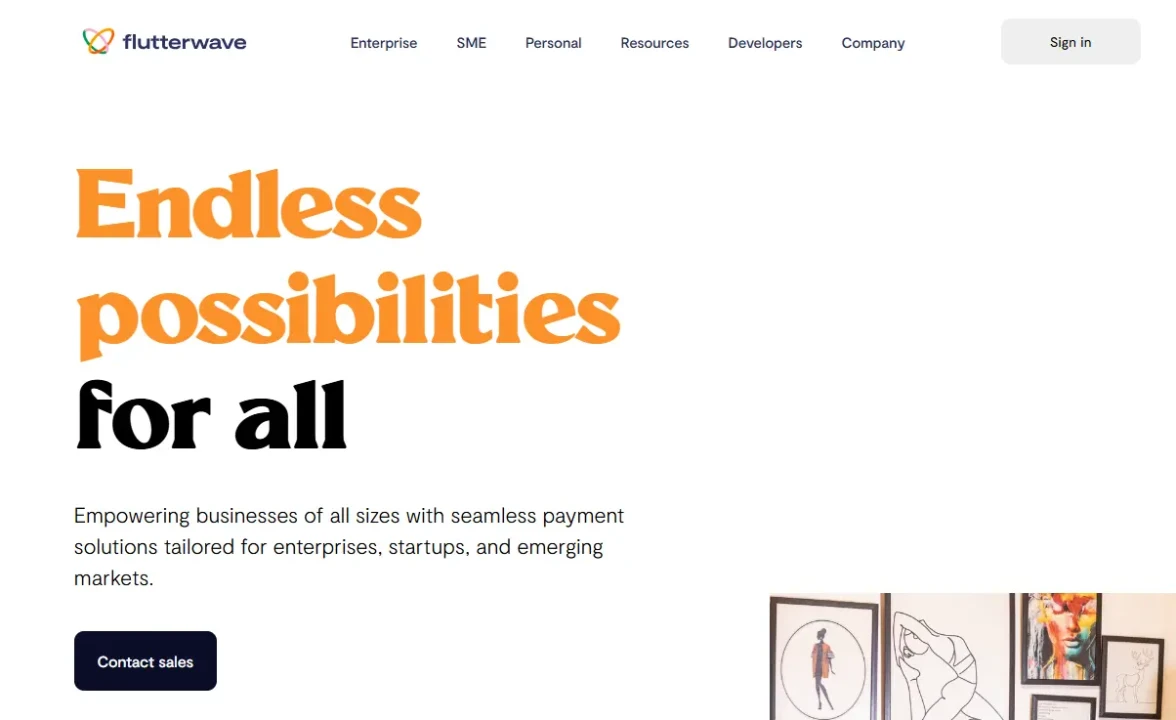
Founded: 2016 | HQ: 🇺🇸 San Francisco (operations across 34+ African countries) | Valuation: $3B+
If you want to understand African fintech infrastructure, Flutterwave is the place to start. Founded in 2016 by Olugbenga “GB” Agboola, it has processed over $40 billion across more than one billion transactions for businesses ranging from small Nigerian merchants to Uber, Microsoft, and Netflix. It operates in 34 African countries, more than any other payment company on the continent.
In January 2026, Flutterwave acquired Mono, Nigeria’s leading open banking startup, in an all-stock deal valued between $25 million and $40 million. The deal gave Flutterwave access to bank data APIs, identity verification, and account-to-account payment infrastructure, moving it beyond payments into the full financial data stack.
Moreover, in April 2026, it secured a national microfinance banking license from the Central Bank of Nigeria. That license allows Flutterwave to hold customer deposits and extend credit directly, removing its historical dependence on third-party settlement banks. CEO Agboola has publicly stated that he expects Flutterwave to achieve group-level profitability in 2026, with an IPO in Nigeria as the next logical step, though the company has clarified that any listing remains subject to market conditions and regulatory readiness.
Honest Limitation: Flutterwave has faced reputational challenges, including fraud allegations and frozen accounts in Kenya in 2022 and 2023. It has worked to address these through a dedicated cybercrime research center partnership with Nigeria’s EFCC, but trust rebuilding remains an ongoing process in some markets.
Paystack
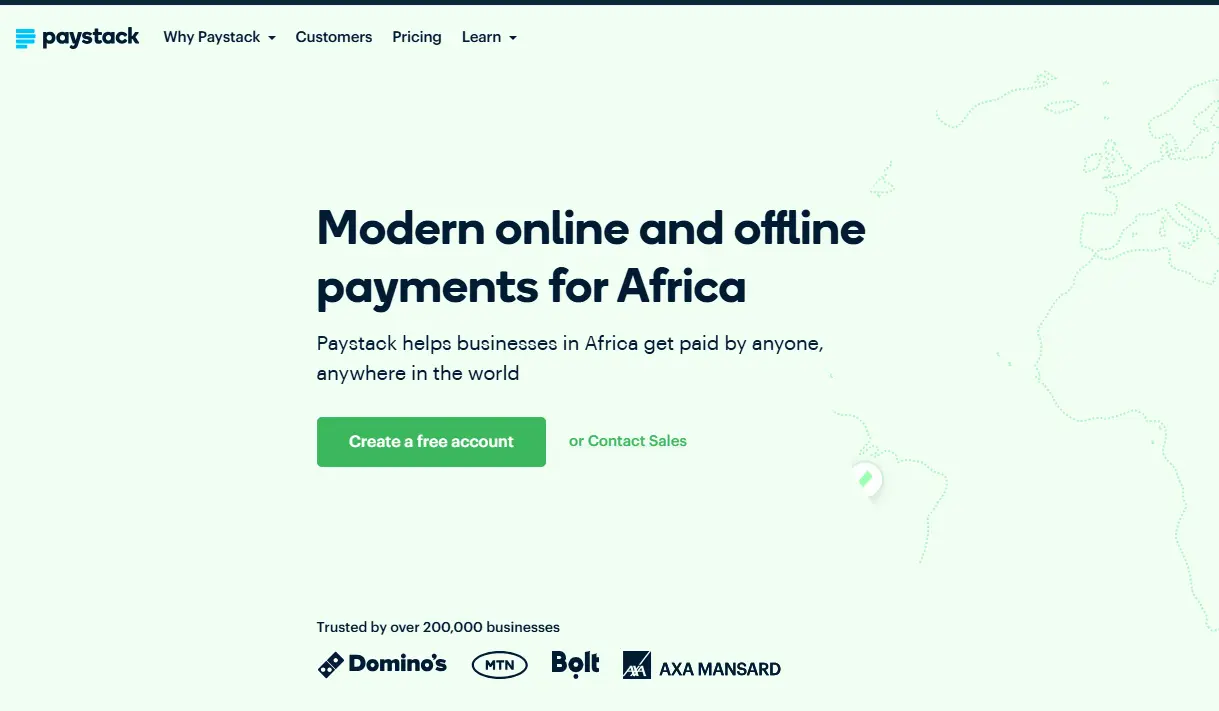
Founded: 2015 | HQ: 🇳🇬 Lagos, Nigeria | Owner: Stripe (acquired 2020, ~$200M)
Paystack is Nigeria’s most developer-friendly payment gateway (the one engineers reach for first when building a product that needs to accept payments in Nigeria). Acquired by Stripe in 2020, it has continued growing as Stripe’s primary African arm, processing payments for thousands of businesses across Nigeria, Ghana, South Africa, and Kenya.
Furthermore, Paystack acquired a Nigerian microfinance bank in early 2026, mirroring Flutterwave’s move and enabling it to offer business banking services directly. Its developer documentation, fast onboarding, and strong API ecosystem have made it the default payments layer for Nigeria’s startup ecosystem.
Honest Limitation: Paystack’s growth is closely tied to Stripe’s strategic priorities, meaning its expansion pace is ultimately determined in San Francisco, not Lagos.
Chipper Cash
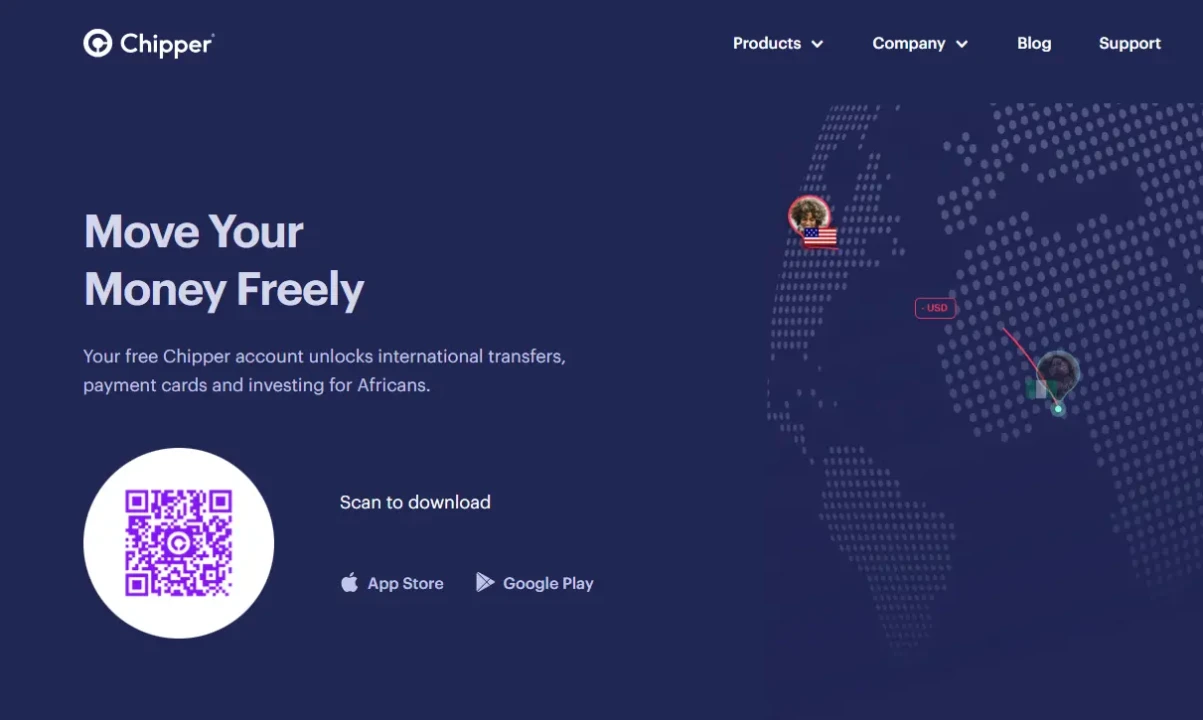
Founded: 2018 | HQ: 🇺🇸 San Francisco (operations across 8+ African countries)
Chipper Cash built its identity on fee-free cross-border transfers across Africa, a genuinely differentiated proposition at launch. It covers Nigeria, Ghana, Kenya, Uganda, Tanzania, Rwanda, South Africa, and the UK corridor.
However, after a challenging 2023–2024 that included workforce reductions and a pullback from some markets, Chipper Cash is operating as a leaner, more focused business heading into 2026. Additionally, its crypto features, once a differentiator, have become a liability in some markets where regulatory attitudes toward digital assets have tightened.
Honest Limitation: Chipper Cash has shed the unicorn glow of its peak valuation. It’s a functional product for cross-border transfers, but it faces stronger competition from more focused remittance players and has not fully restored the momentum it had at its peak.
Digital Banking and Lending: Banking the Unbanked
The digital banking wave in Africa isn’t just about convenience for already-banked customers. It’s about reaching people who’ve never had a formal financial relationship and building one from scratch, using mobile phones, POS terminals, and AI-driven credit models instead of bank branches. Consequently, the companies doing this best are among the fastest-growing businesses in Africa.
Moniepoint
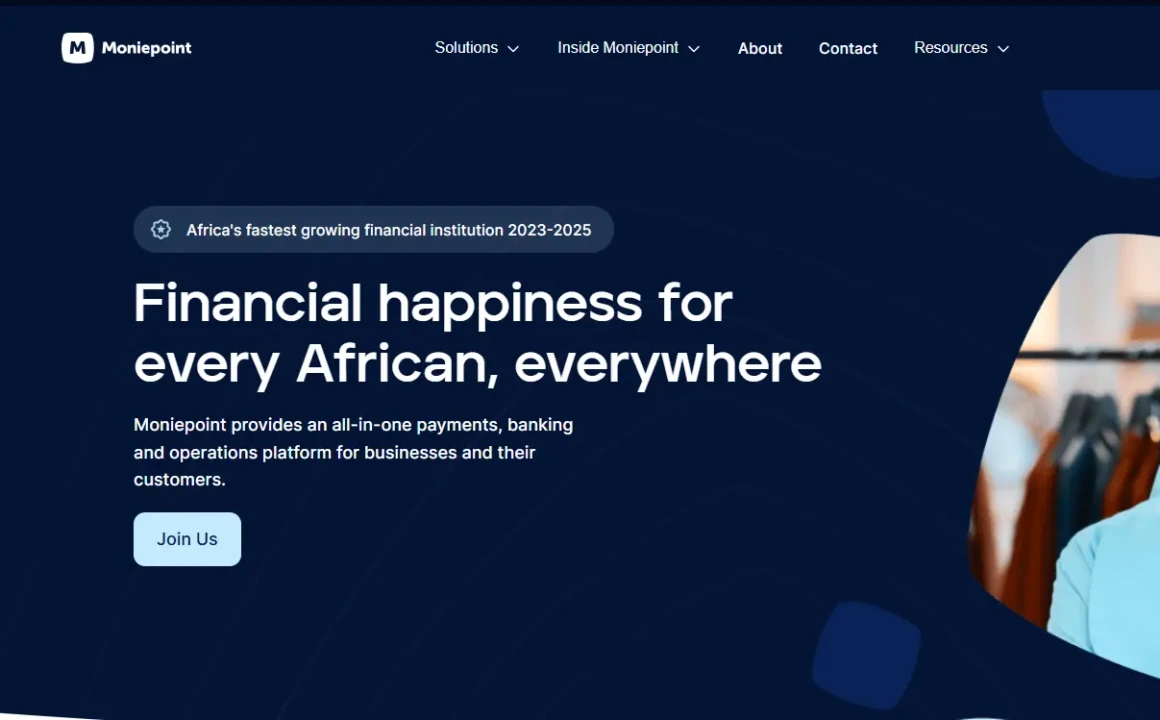
Founded: 2015 | HQ: 🇳🇬 Lagos, Nigeria (UK subsidiary active) | Valuation: $1B+ unicorn
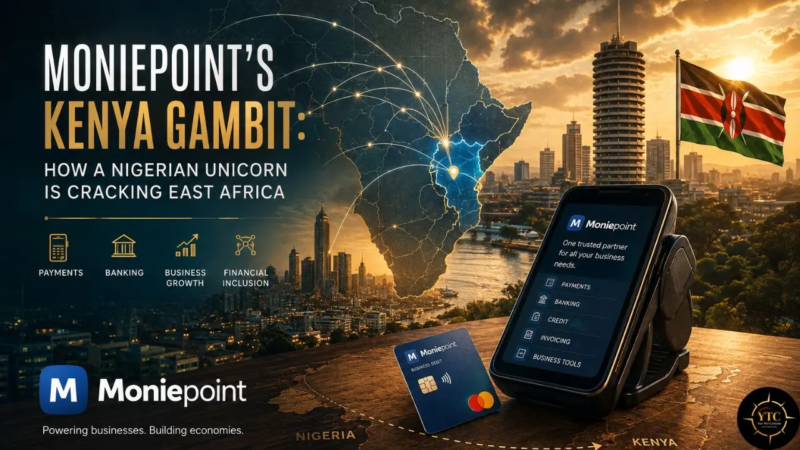
Moniepoint is the most complete fintech business story in Africa right now. What started as TeamApt, a banking infrastructure provider, evolved into Nigeria’s dominant business banking platform, recognizable by its blue POS terminals in shops across the country.
Today, Moniepoint serves over 10 million active business and personal banking customers and processes more than $250 billion in annual transactions. It raised $200 million in its Series C round: $110 million in October 2024, followed by an additional $90 million in October 2025, backed by Google, Visa, Development Partners International, and LeapFrog Investments.
In June 2025, Moniepoint acquired a 78% controlling stake in Kenya’s Sumac Microfinance Bank, thereby securing a regulatory license and an instant foothold in East Africa, rather than spending years navigating a fresh licensing process. Additionally, by April 2025, it had launched MonieWorld, an immigrant banking platform targeting the UK–Nigeria remittance corridor.
Moniepoint is also expanding its London team to 100 employees by 2026, following the UK government’s recognition of the company as part of a bilateral investment announcement. Furthermore, it was named to Endeavor’s 2026 Outliers class, one of only five Nigerian companies selected globally.
Honest Limitation: Moniepoint’s revenue is heavily concentrated in Nigeria. Its international expansion is still in its early stages, and MonieWorld is entering an extremely crowded remittance market, where incumbents like LemFi and Grey have significant head starts.
Kuda Bank
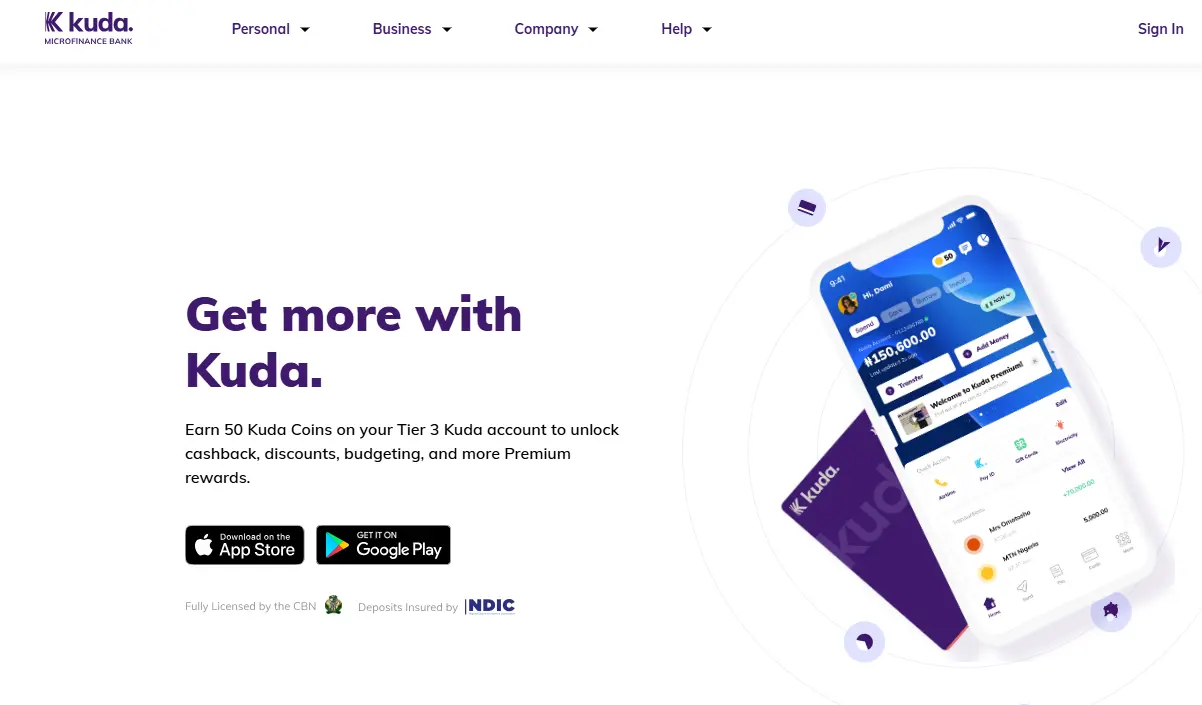
Founded: 2019 | HQ: 🇳🇬 Lagos, Nigeria (UK operations expanding)
Kuda calls itself the bank of the free, and for Nigeria’s smartphone-savvy young professionals, that message lands. Zero monthly fees, free transfers, automated savings, and a clean mobile interface have attracted over 7 million customers.
Kuda was also named a potential unicorn candidate in a January 2026 BusinessDay analysis, reflecting sustained investor interest. Moreover, the UK government’s March 2026 announcement confirmed that Kuda is strengthening its UK headquarters as a base for global expansion and plans to double its UK footprint in 2026.
Honest Limitation: Kuda’s path to profitability has been a persistent question. Building a zero-fee consumer bank is a notoriously expensive business model, and Kuda has yet to demonstrate the revenue diversification that would justify its growth ambitions at scale.
GoTyme Bank
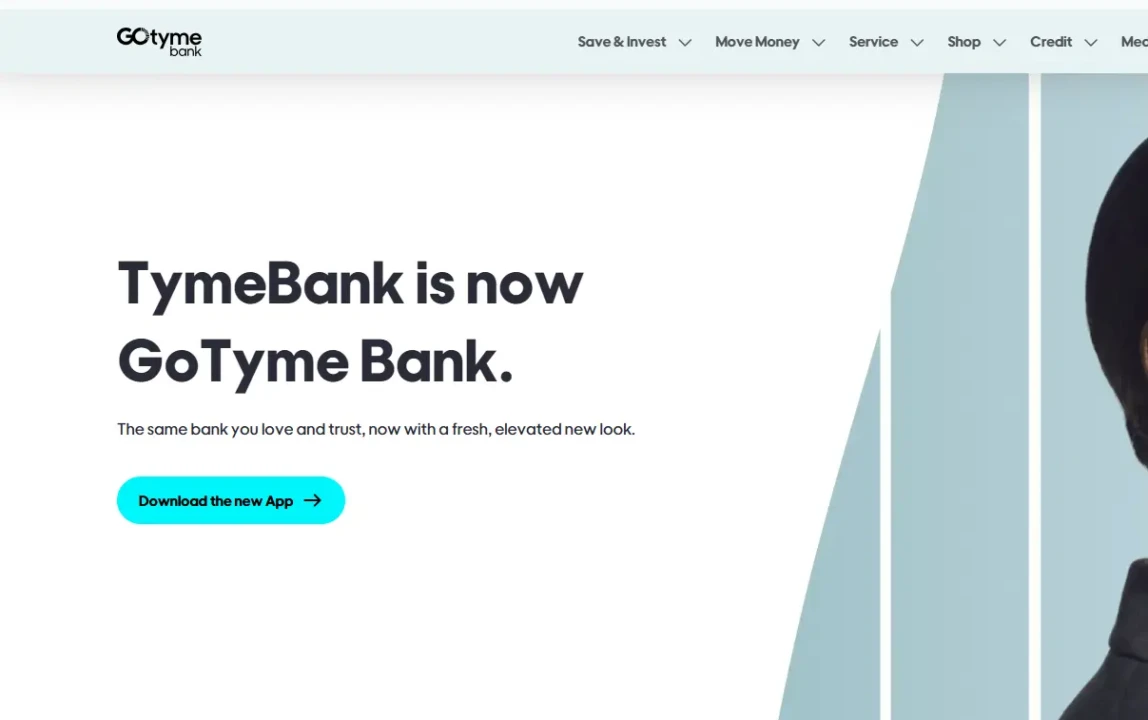
Founded: 2019 | HQ: 🇿🇦 Johannesburg, South Africa
GoTyme Bank is the South African fintech that most people outside Africa haven’t heard of, and most people inside Africa’s financial sector can’t stop talking about. It now serves over 11 million customers, reached profitability in December 2023, and was named among TIME magazine’s most influential companies in 2025.
Its model is unique: fully digital banking combined with over 1,000 in-store kiosks at Pick n Pay, Boxer, and TFG stores, letting customers open accounts face-to-face without visiting a bank branch. Tyme Group, its parent company, also operates GoTyme in the Philippines, proving that the model travels.
Honest Limitation: GoTyme Bank operates in South Africa’s relatively banked market, which limits its financial inclusion story compared to platforms targeting truly unbanked populations. Its product depth is also still developing relative to traditional banks.
FairMoney

Founded: 2017 | HQ: 🇫🇷 Paris (operations in Nigeria and India)
FairMoney is a digital bank and lending platform that has built a strong position in Nigeria’s consumer credit market. It offers instant loans, savings accounts, and bill payments, all via a mobile app.
Having raised a Series C round, FairMoney serves millions of customers across Nigeria and is actively expanding in India. Beyond that, FairMoney’s approach to credit scoring, using mobile and behavioral data rather than formal credit history, makes it one of the more technically sophisticated lending models operating at scale in Africa.
Honest Limitation: FairMoney operates in a market with significant digital lending risks. High-interest digital loans have contributed to over-indebtedness in Nigeria, and FairMoney operates in the same space, meaning responsible lending standards are crucial to its long-term viability.
Pezesha
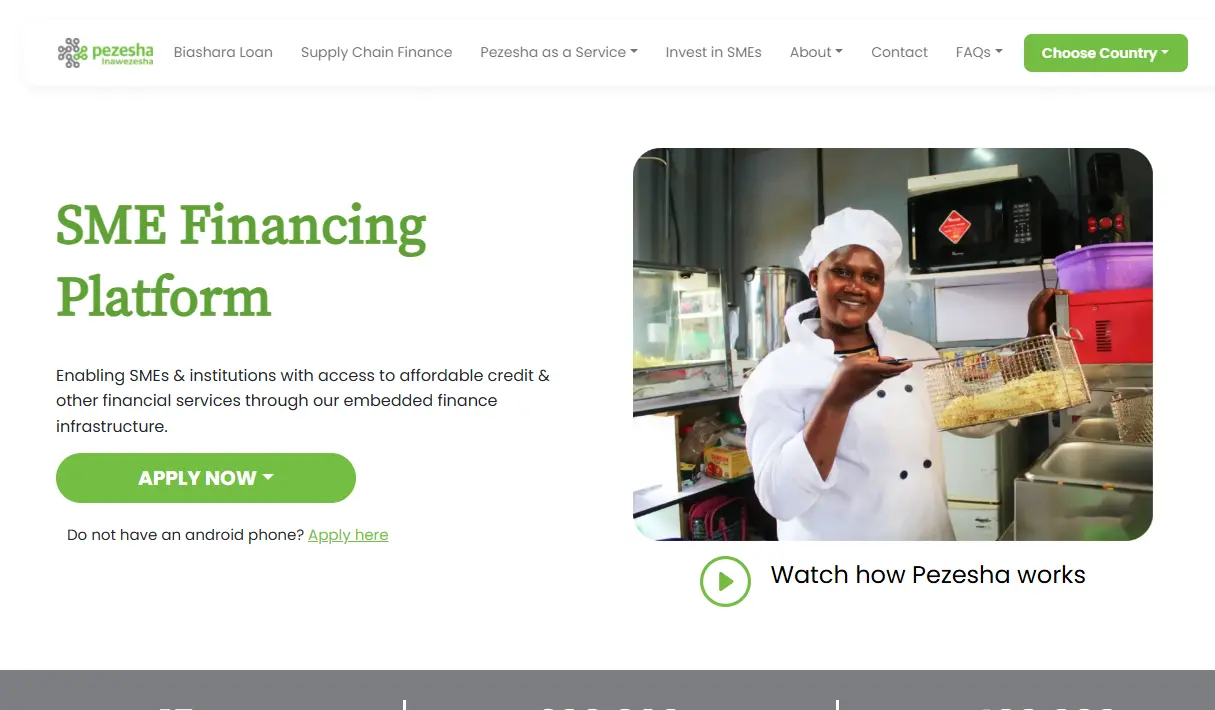
Founded: 2017 | HQ: 🇰🇪 Nairobi, Kenya
Pezesha takes a different approach from consumer lenders. It focuses specifically on supply chain and embedded finance, embedding working capital credit directly into the platforms that small businesses already use.
If a small retailer orders stock through a distributor’s app, Pezesha can deliver a credit decision and fund the order in real time, without the retailer ever having to visit a lender. Moreover, Pezesha has partnered with major FMCG distributors to make this possible at scale, a model that combines technical elegance with genuine business utility.
Honest Limitation: Pezesha’s embedded model requires deep partnerships with distribution networks, meaning its growth depends on acquiring partners rather than direct consumer marketing, which limits the pace of scaling.
Insurtech: Africa’s Most Underserved Fintech Vertical
Here’s a number that should genuinely surprise you: insurance penetration across most of Sub-Saharan Africa sits below 3%. Compared to a global average of roughly 7% and developed market averages above 10%, that gap represents an enormous unmet need.
Additionally, traditional insurance products were designed for formal-sector employees with predictable monthly salaries, a group that constitutes a minority of Africa’s working population. Consequently, insurtech in Africa is not about making insurance more convenient. It’s about making it exist at all for most people.
Turaco
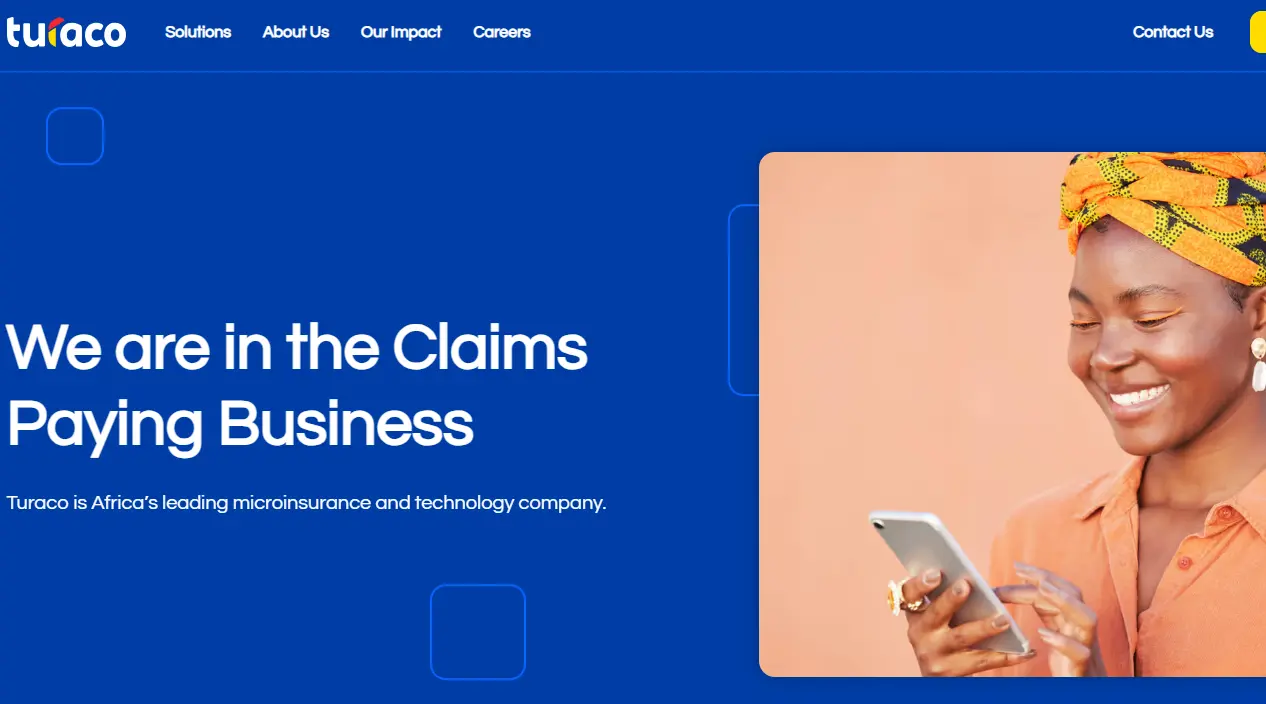
Founded: 2019 | HQ: 🇰🇪 Nairobi, Kenya | Total Funding: $13.3M
Turaco’s model is deliberately simple and deliberately bundled. Rather than trying to sell insurance directly to individual customers (a costly, low-conversion approach), Turaco partners with platforms that already have customer relationships: mobile money providers, ride-hailing apps, fintechs, and gig-economy employers.
It then bundles micro-insurance policies (health, life, hospitalization) directly into those platforms. A boda boda driver in Uganda using a ride-hailing app can access health coverage without ever visiting an insurance office. Furthermore, Turaco operates across Kenya, Uganda, and Ghana, and is increasingly building API integrations with gig platforms as that sector grows.
Honest Limitation: Turaco’s bundled model depends entirely on the health of its distribution partners. If a partner platform loses users or closes, Turaco loses coverage reach on that platform.
Lami Technologies
Founded: 2018 | HQ: 🇰🇪 Nairobi, Kenya | Total Funding: $5.6M
Lami takes the infrastructure approach, building the API layer that lets any company embed insurance products into its platform, without needing an insurance license itself. Think of it as the “Stripe of African insurance.”
A fintech, a bank, or even a retail business can use Lami’s APIs to offer life, health, or property insurance to its users as a native product feature. Moreover, Lami has formed partnerships with multiple licensed insurers, handling the compliance and underwriting complexity while its partners focus on distribution.
Honest Limitation: Lami’s total funding of $5.6 million is relatively modest for a platform-level infrastructure play. That said, its attempted acquisition of rival Bluewave in 2023 collapsed, revealing both the ambition and the execution risk it faces.
BIMA Milvik
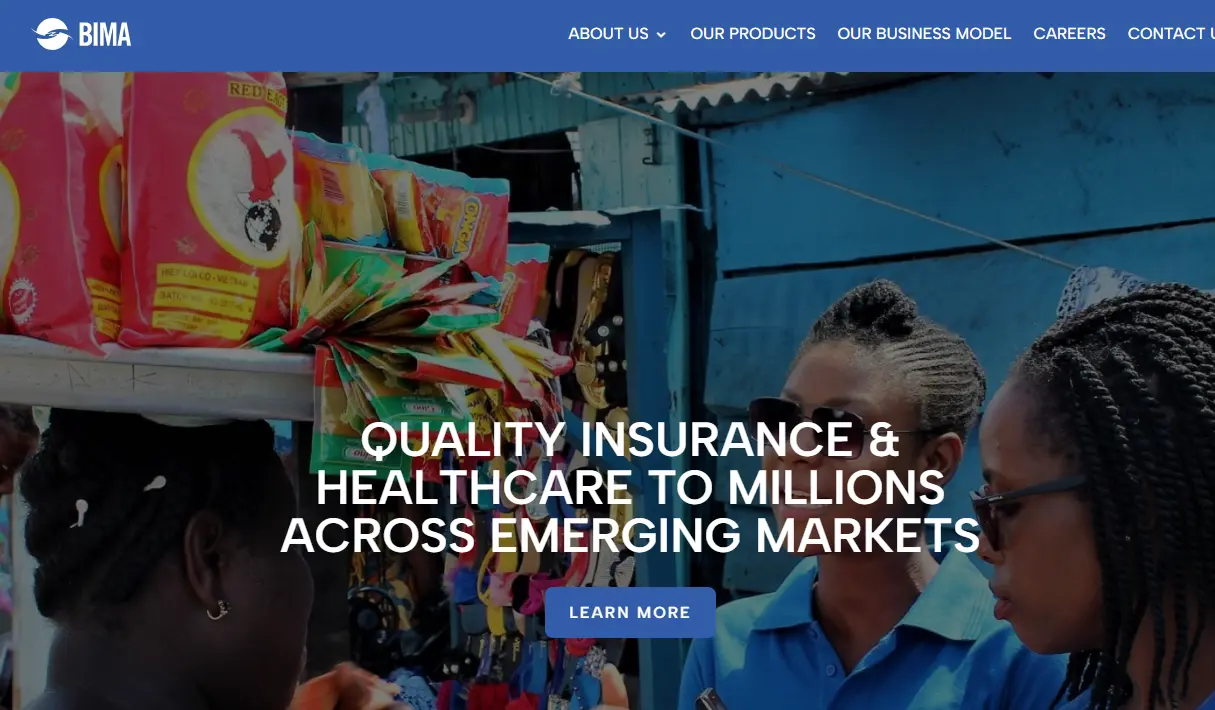
Founded: 2010 | HQ: 🇸🇪 Stockholm, Sweden (Africa and Asia operations) | Total Funding: $200.6M
BIMA Milvik is the most globally funded insurtech operating in Africa, having raised over $200 million. It is now a subsidiary of global insurer Allianz, which provides it with underwriting capacity and financial stability.
BIMA operates via mobile networks across multiple African markets, offering health, life, and accident insurance with premiums affordable for low-income households. Additionally, its Allianz backing gives it credibility and longevity that purely venture-backed insurtechs struggle to match.
Honest Limitation: As a foreign-headquartered insurer-subsidiary model, BIMA is not building the kind of independent African fintech infrastructure that Turaco or Lami represent. Its African operations, while valuable, are ultimately managed from Stockholm within an insurer’s priorities.
B2B and Infrastructure Fintech: The Picks-and-Shovels Play
Here’s a way to think about it: every fintech app you use needs infrastructure underneath it; APIs that connect to banks, identity verification that prevents fraud, and payment rails that move money reliably. The companies building that infrastructure aren’t always the ones you hear about, but they’re arguably the most durable businesses in the ecosystem.
In gold rushes, the people selling picks and shovels reliably win. The same logic applies here.
Stitch
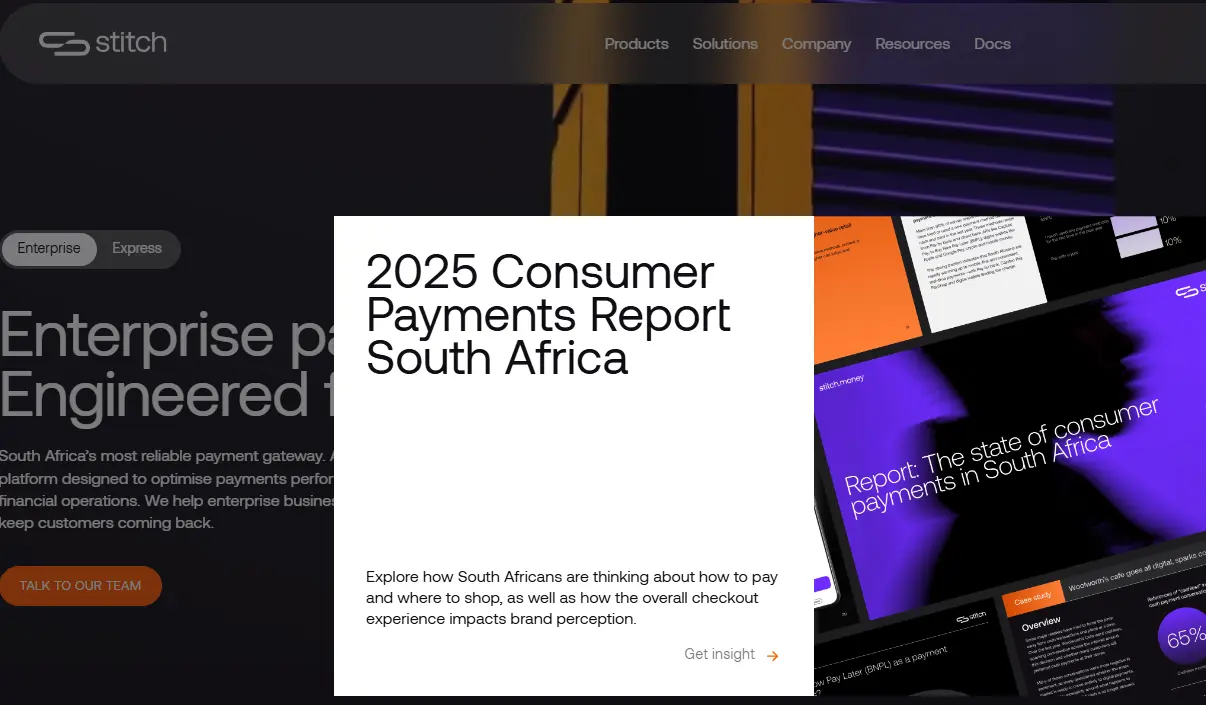
Founded: 2021 | HQ: 🇿🇦 Cape Town, South Africa | Total Funding: ~$80M+
Stitch builds payment infrastructure for enterprises in South Africa and beyond. In 2025, it raised approximately $55 million in Series B funding, then acquired ExiPay and Efficacy Payments to add card issuance and direct transaction processing capabilities.
Consequently, Stitch is one of the strongest unicorn candidates in Africa’s fintech pipeline for 2026, according to multiple investor analysts. Its platform now covers pay-by-bank, card payments, and recurring collections, making it a comprehensive payments infrastructure provider for large merchants and enterprises.
Honest Limitation: Stitch operates primarily in South Africa’s relatively mature fintech market. Pan-African expansion into higher-friction regulatory environments will test whether its model travels as easily as its funding story suggests.
Smile Identity (now part of Mastercard)
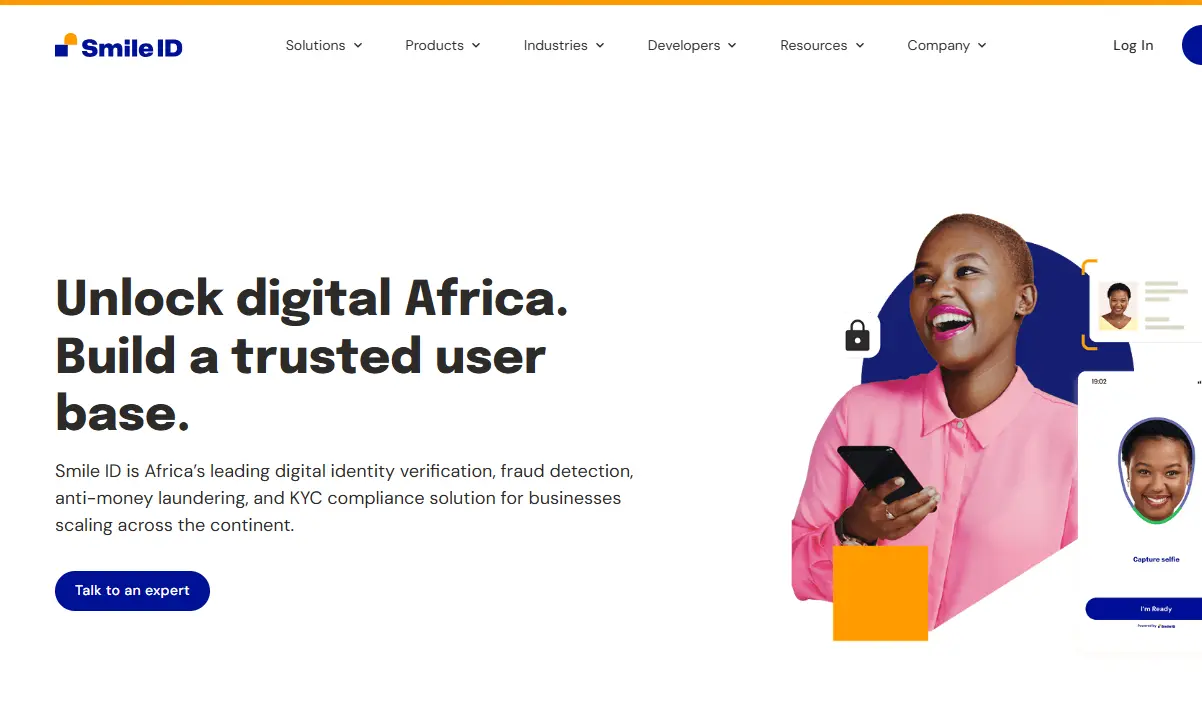
Founded: 2017 | HQ: 🇺🇸 San Francisco (Africa operations) | Acquired by Mastercard, 2023
Smile Identity built Africa’s most widely used KYC and identity verification infrastructure, allowing businesses to verify African ID documents, run biometric checks, and perform AML screening via API. Before its acquisition by Mastercard in 2023, it had processed over 100 million identity checks across Africa.
Moreover, under Mastercard’s ownership, Smile Identity has access to global enterprise distribution, meaning Africa’s identity infrastructure now has a global corporate parent actively expanding its reach. This is one of the most strategically important exits in African fintech history.
Honest Limitation: Mastercard’s ownership raises the same questions about mission alignment as Mono’s acquisition of Flutterwave. African identity data inside a global card network is a powerful combination, but the benefit should accrue to African users, not just to Mastercard’s enterprise clients.
Duplo
Founded: 2021 | HQ: 🇳🇬 Lagos, Nigeria
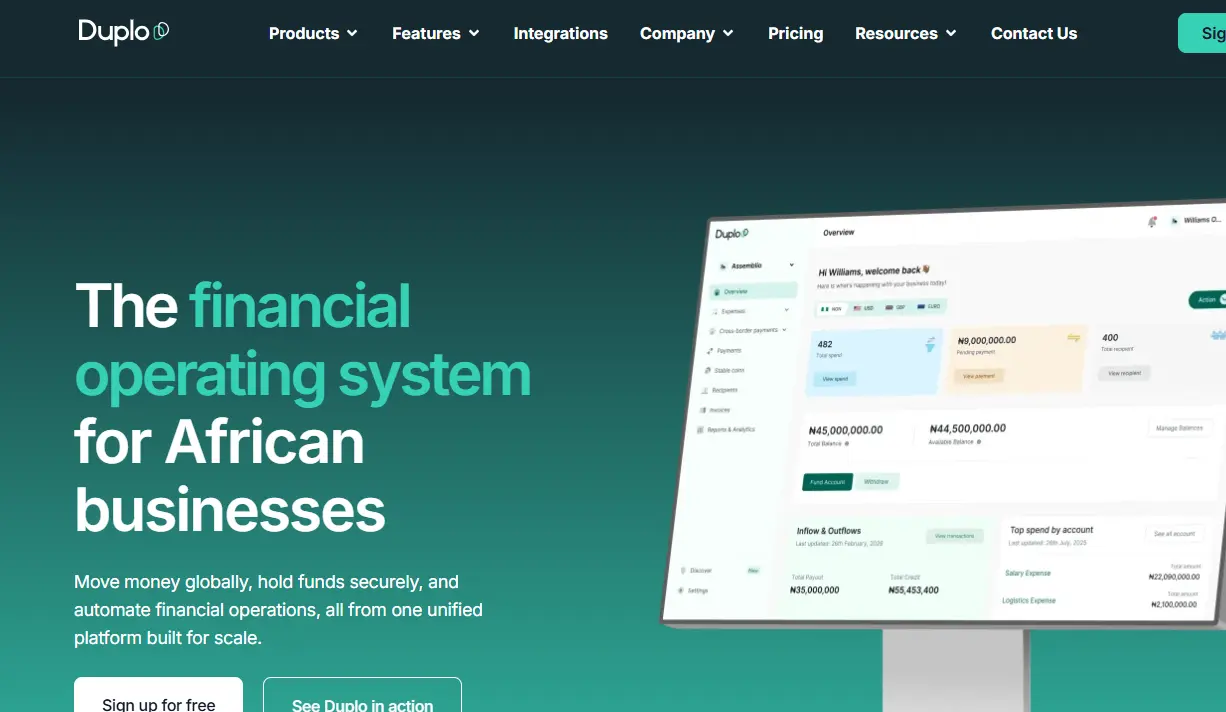
Duplo focuses on B2B payments automation, helping Nigerian businesses manage accounts payable, vendor payments, and financial workflows digitally. It’s solving a problem that’s almost invisible to consumers but deeply painful for businesses: the fact that most B2B payments in Nigeria still involve manual bank transfers, paper invoices, and reconciliation spreadsheets. Additionally, Duplo integrates with accounting tools and ERP systems, making it a genuine workflow product rather than just a payments layer.
Honest Limitation: B2B payment automation is a high-value but narrow market in Africa at its current stage of development. Duplo’s growth depends on Nigerian businesses formalizing at a faster pace than currently observed.
Remittances and Cross-Border Fintech: Solving Africa’s Most Expensive Problem
Africa receives roughly $97 billion in annual remittances from its diaspora. Yet the average cost of sending money to Sub-Saharan Africa remains among the highest in the world, and sending money within Africa is even more expensive, at an average of 7.9%, according to AfricaNenda.
You can send money from New York to Nairobi faster and cheaper than from Nairobi to Dar es Salaam. That’s the absurdity this category is trying to fix.
Nala
Founded: 2017 | HQ: 🇬🇧 London, UK (East Africa operations)
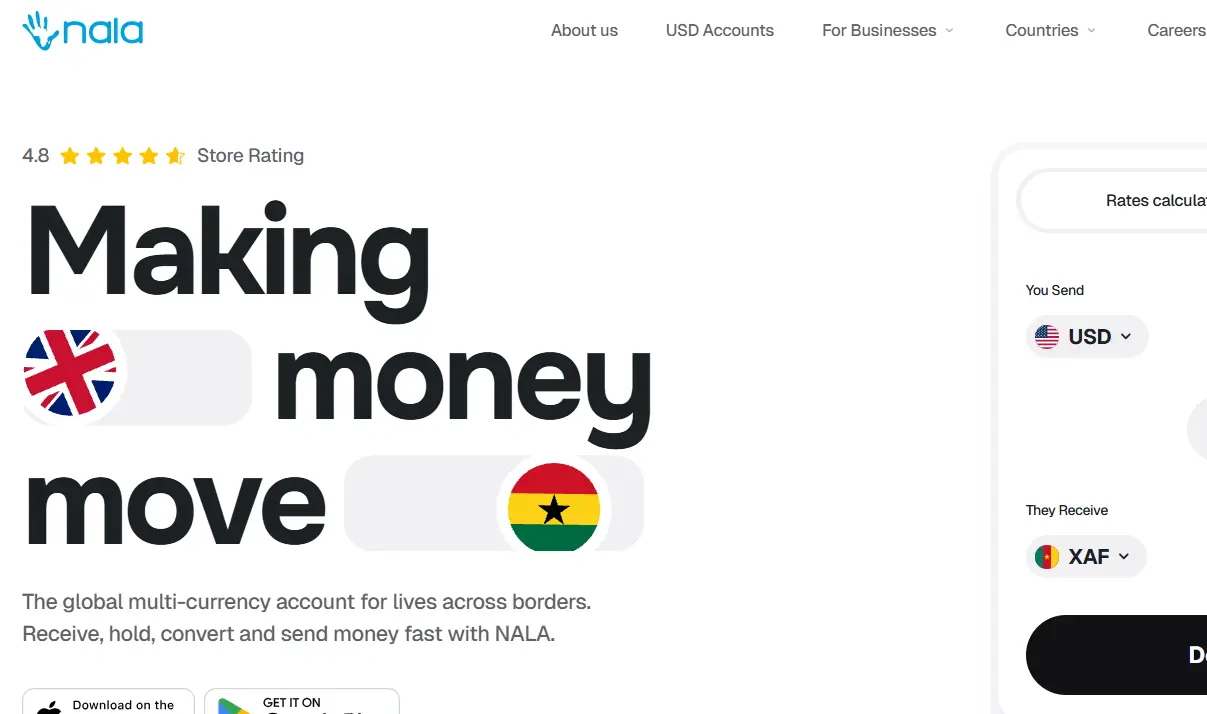
Nala started as a mobile payments app in Tanzania, then pivoted to a more focused offering: diaspora remittances. Today, it allows Africans in the US, UK, and EU to send money home to ten African countries at competitive rates and with fast delivery.
Nala operates on an asset-light model, building on top of existing payment rails rather than building its own, which keeps its cost structure lean and its expansion speed high. Furthermore, Nala has invested heavily in user experience, with an app that feels as intuitive as Venmo but routes money to African mobile wallets and bank accounts.
Honest Limitation: Nala’s asset-light model means it’s dependent on the reliability of the underlying payment infrastructure it rides on. In markets where those rails are unreliable or expensive, Nala’s experience degrades accordingly.
LemFi
Founded: 2020 | HQ: 🇬🇧 London, UK (global expansion) | Total Funding: ~$87M
LemFi, formerly Lemonade Finance, has become one of Africa’s most aggressive cross-border fintech players. It raised a $53 million Series B round in January 2025 to fund expansion into Asia and Europe, and subsequently acquired Ireland’s Bureau Buttercrane, securing approval from the Central Bank of Ireland and instant access to the entire European Economic Area.
Additionally, LemFi designated London as its global headquarters and announced plans to invest £100 million in the UK over the next five years, which the UK government confirmed in March 2026. LemFi offers multi-currency accounts, international money transfers, and cross-border card transactions for the immigrant population.
Honest Limitation: The remittance space is fiercely competitive and margin-thin. LemFi’s aggressive geographic expansion requires significant upfront regulatory and operational investment, and burning through that capital before reaching profitability is a real risk.
Grey
Founded: 2020 | HQ: 🇳🇬 Lagos, Nigeria
Grey solves a problem that is quietly enormous for African professionals and freelancers: receiving payments in dollars or pounds from international clients, holding foreign currency, and converting it efficiently. Grey offers virtual USD, GBP, and EUR accounts to Nigerians and other Africans, letting them receive international payments without a foreign bank account.
Moreover, it has become the go-to tool for Nigeria’s growing remote-work community, where professionals working for US and European companies need a reliable, accessible way to receive payments. Moniepoint’s MonieWorld product competes with Grey in the UK–Nigeria corridor, using Grey’s rates as a benchmark for pricing.
Honest Limitation: Grey operates in a regulatory grey area that could tighten at any time. Nigeria’s currency and fintech regulations have a history of sudden shifts that can disrupt operations, as several companies have experienced.
Africhange
Founded: 2020 | HQ: 🇨🇦 Toronto, Canada
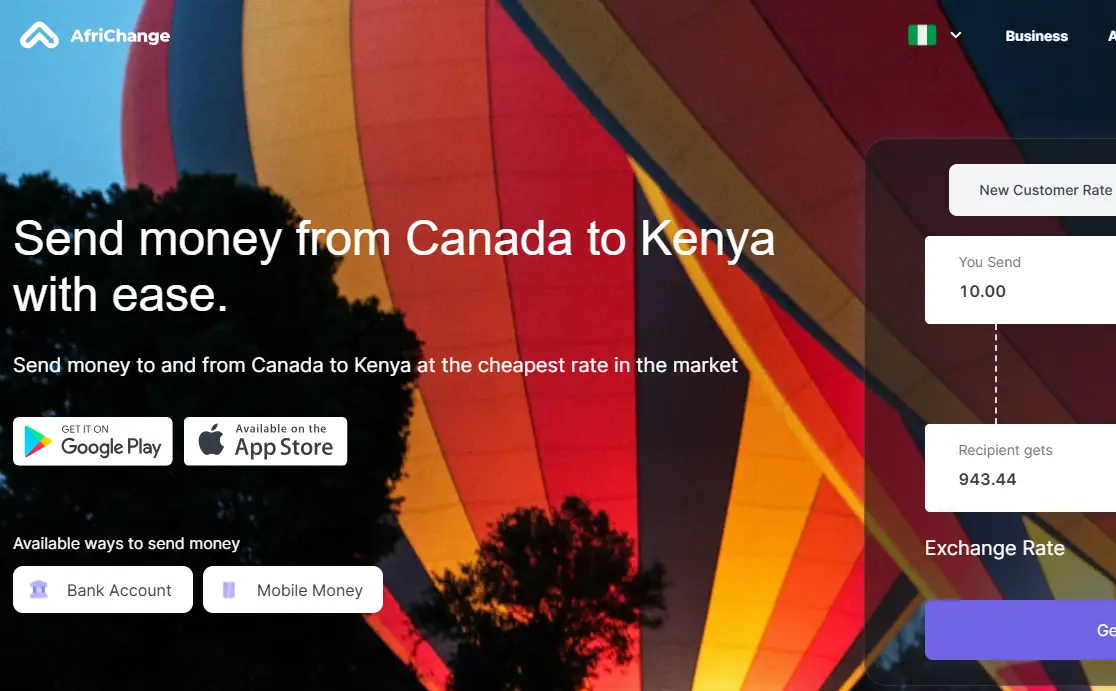
Africhange focuses on one corridor (Canada to Africa) and has built a strong brand among the African diaspora in Canada, a market that most remittance startups have underserved. It offers competitive rates and fast delivery to Nigeria, Ghana, Kenya, Uganda, and other markets. Furthermore, as African immigration to Canada has grown significantly over the past five years, Africhange has found itself in a well-timed market position.
Honest Limitation: A single-corridor focus limits the total addressable market and makes Africhange vulnerable to any disruption to the Canada–Africa remittance relationship. Expanding to additional corridors while maintaining quality is the company’s most important near-term challenge.
The African Fintech Funding Landscape in 2026
You need context on where the money is coming from and where it isn’t. African tech startup funding reached $1.64 billion in 2025, up 46.2% from the year prior, according to Disrupt Africa. Fintech led the pack, accounting for over 42% of total African tech funding. In Q1 2026 alone, African fintech raised $187.1 million across 21 deals, putting 2026 on track for its strongest annual total since 2023.
The investors writing the biggest cheques in African fintech include Partech Africa, TLcom Capital, Leapfrog Investments, Development Partners International, Y Combinator, and QED Investors. Additionally, strategic corporate investors Visa, Google, and Mastercard have made direct investments in the sector’s leading companies.
What they’re looking for has changed significantly since the peak years of 2021–2022. In 2026, investors want unit economics, a clear path to profitability, and cross-border potential. The era of funding growth at any cost is over. Companies that can show sustainable revenue models, such as Moniepoint and TymeBank, both of which have achieved profitability milestones, are getting the largest rounds.
That said, the concentration problem is real. Nigeria, Kenya, South Africa, and Egypt accounted for 83% of AI startup funding in Q1 2025, and a similar pattern holds for fintech. Startups outside the Big Four markets continue to face a genuine access-to-capital disadvantage, not because their ideas are weaker, but because investor networks, deal-flow infrastructure, and due diligence capacity remain heavily concentrated in a few cities. Francophone West Africa, in particular, remains systemically underfunded relative to its population and market potential.
Challenges Facing African Fintech Startups in 2026
No honest guide to African fintech would be complete without naming what’s still hard. Here’s what you need to know.
Regulatory Complexity

This is the defining operational challenge. With 54 countries, there are 54 different licensing frameworks, central bank policies, and data privacy laws. The Central Bank of Nigeria has moved to clarify fintech licensing in 2026, but policy shifts, like sudden restrictions on international money transfer operators or new capital requirements, can derail operations overnight. Meanwhile, the Central Bank of Kenya has lifted a 10-year ban on new bank licenses, opening opportunities but also signaling a more competitive environment.
Profitability Pressure
Profitability pressure has replaced growth-at-all-costs as the investor mandate. In 2026, you can’t raise a large round by showing impressive user numbers alone.
You need to show that your unit economics work (that you’re making money per transaction, per customer, and per product). This is healthy for the long-term ecosystem, but it has resulted in real pain for startups that scaled on the assumption of continued cheap capital.
Fraud and Cybersecurity
Fraud and cybersecurity remain persistent and growing threats. As transaction volumes scale, so does the sophistication of fraud.
SIM swap attacks, identity spoofing, and agent fraud continue to cost African fintech companies and their customers millions annually. Additionally, the rise of AI-powered fraud tools has accelerated the arms race between attackers and defenders.
Competition
Talent competition is intensifying as global tech companies actively recruit from Africa’s best engineering and product teams. The brain drain challenge described in AI in Africa applies equally to fintech: building and retaining technical teams is increasingly expensive and competitive.
Interoperability
This remains stubbornly incomplete. Despite years of advocacy, seamlessly moving money between fintech platforms or between mobile money and digital banks still requires workarounds in many markets. Tanzania and Ghana have made the most progress, but major markets, including Nigeria, still have significant gaps.
You can read more about the interoperability challenge and its roots in our guide to mobile money and fintech in Africa.
What to Expect From African Fintech by 2027–2028

The direction of travel is clear. Here’s how the next two years are likely to reshape the landscape you’ve just read about.
Consolidation Will Accelerate
The M&A activity in 2025 (Flutterwave acquiring Mono, Moniepoint acquiring Sumac, and Nedbank acquiring iKhokha) is a preview of what’s to come. As capital tightens and scale matters more, smaller players will find better outcomes inside larger platforms than pursuing independent growth. Consequently, the number of significant independent African fintechs will shrink, while the capabilities of the survivors will expand dramatically.
AI-Native Fintech Is Already Arriving
Credit scoring, fraud detection, customer service, and KYC are all moving from rule-based systems to AI-driven models. Platforms that deeply integrate AI into their operations, rather than bolt it on, will have meaningful efficiency and accuracy advantages. Furthermore, AI-powered credit models are finally making it viable to extend lending to segments that were previously too risky or too expensive to serve.
Embedded Finance
Embedded finance is the dominant architecture of the next phase. Financial products will increasingly appear inside non-financial apps: inside logistics platforms, agritech tools, healthcare apps, and e-commerce sites. Pezesha, Lami, and Stitch are all building toward this future. By 2027, the line between “a fintech” and “a business with fintech built in” will be genuinely hard to draw.
IPO Watch Is Real and Imminent
Flutterwave’s CEO has confirmed that IPO preparations are underway, with Nigeria first. Moniepoint and Kuda are among the other companies cited as IPO candidates. Moreover, South Africa’s Optasia already completed a JSE listing in November 2025 at a $1.4 billion valuation; the first major tech IPO on the continent since before COVID-19. The IPO pipeline for African fintech is the most active in five years.
FAQs
It depends on your corridor. Therefore, for the UK–Nigeria route, LemFi, Nala, MonieWorld, and Grey all offer competitive rates. And, for Canada–Africa, Africhange is purpose-built for that corridor. For broader cross-border transfers across Africa, Flutterwave’s SendApp and Chipper Cash cover the widest range of markets. The honest answer is that you should compare rates in real time before each transfer; fees and exchange rates shift frequently.
Nigeria leads in startup volume, transaction scale, and number of unicorns. Kenya leads in mobile money maturity and regulatory sophistication. South Africa leads in infrastructure investment and enterprise fintech. Egypt leads in North Africa with the fastest-growing investment environment in the region. Additionally, Rwanda stands out as the most fintech-friendly regulatory environment, a disproportionately important factor for startups choosing where to headquarter.
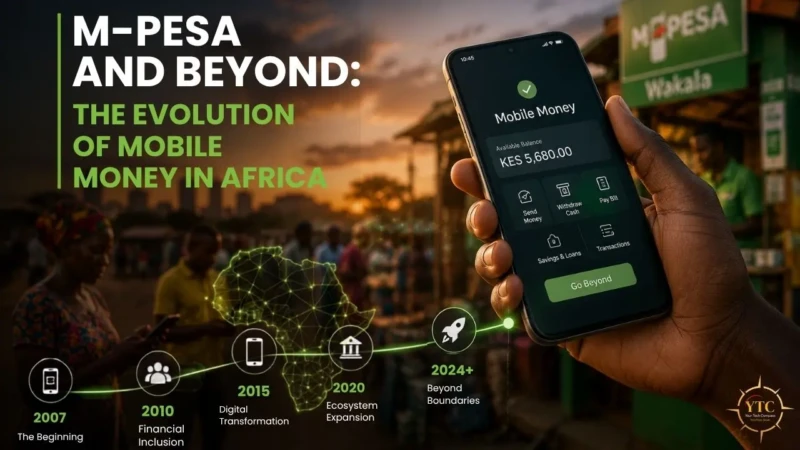
A neobank is a fully digital bank that offers the full range of banking services (accounts, savings, loans, cards, investments) via an app and is regulated as a bank or holds a banking license. Kuda and GoTyme Bank are neobanks. A mobile money platform, by contrast, is primarily a stored-value wallet operated by a telecom or payment company; it lets you send, receive, and store money via your phone, but doesn’t necessarily offer the full banking stack. M-Pesa and MTN MoMo are mobile money platforms. The two are converging rapidly as mobile money providers add banking features and neobanks integrate with mobile money networks.
Conclusion
The story of African fintech startups in 2026 is ultimately one of infrastructure. It’s about Flutterwave building the payments rail that thousands of businesses depend on. Also, it’s about Moniepoint putting financial tools in the hands of 10 million business owners who never had them. And it’s about Turaco making health insurance accessible to a boda boda rider who earns daily and can’t afford a monthly premium. It’s about Stitch and Mono building the invisible plumbing that makes every other fintech product possible. Moreover, behind every one of these companies is a team that looked at a broken system and decided to fix it, not with a marginal improvement, but with a fundamentally different approach.
You’re watching this story unfold in real time. The funding is returning. The unicorns are preparing to go public. The infrastructure is deepening. And the next wave (embedded finance, AI-driven credit, and cross-border consolidation) is already in motion. The question isn’t whether African fintech will produce globally significant companies. It already has. The question is which ones are building something durable enough to matter in 2030. This guide has given you the lens to judge for yourself.
You’ve read the breakdown; now put it to work. Whether you’re building, investing, or just staying sharp, the African fintech space rewards those who pay attention. Save this page, share it with someone who needs it, and check back at Your Tech Compass for updates as this landscape shifts (because in African fintech, things move fast).