Artificial intelligence tools are no longer limited to answering questions or summarizing text. Some are now designed to feel more human, more expressive, and more interactive, and that is exactly where Character AI comes in. Instead of behaving like a standard chatbot, Character AI focuses on personality-driven conversations, allowing users to interact with fictional characters, historical figures, or entirely custom personas.
In this guide, I will explain what Character AI is, how it works behind the scenes, and what people actually use it for in real life. I will also cover its strengths, limitations, and how it compares to more traditional AI chat tools. By the end, you should have a clear understanding of whether Character AI is something you should experiment with or approach cautiously.
What Is Character AI?
At a high level, Character AI is an AI platform designed to simulate conversations with distinct personalities rather than generic assistants. Instead of asking a bot for facts or instructions, you interact with a “character” that has a defined tone, behavior, and conversational style.
What makes Character AI different is its emphasis on immersion. Characters can behave like teachers, fictional heroes, villains, interviewers, or casual companions. The goal is not just to answer questions but to stay in character throughout the conversation.
As a result, Character AI appeals strongly to users interested in storytelling, roleplay, practice conversations, or creative brainstorming, areas where personality matters as much as correctness.
How Character AI Works
To understand Character AI properly, it helps to look at how it functions under the hood, without getting overly technical.
The Role of Language Models
Character AI relies on large language models that are trained to understand and generate human-like text. These models predict responses based on patterns in language, context, and conversation flow.
Unlike factual assistants, Character AI emphasizes style and continuity over strict accuracy. This is a deliberate design choice that supports creative and expressive conversations.
Character Personalities and Prompt Design
Each character on the platform is guided by a description that defines:
- Personality traits
- Speaking style
- Knowledge boundaries
- Behavioral rules
These descriptions act as long-term prompts, shaping how the AI responds. This is similar in concept to how structured prompting works in other systems, such as those explained in this guide on how Gemini AI works, though Character AI applies it more heavily toward role consistency.
Memory, Context, and Responses
Character AI aims to maintain short-term conversational memory to make replies feel connected and natural. However, this memory is not permanent and can reset or degrade over longer sessions.
As a result, conversations often feel engaging in the moment, but they should not be treated as long-term records or reliable knowledge bases.
What You Can Do With Character AI
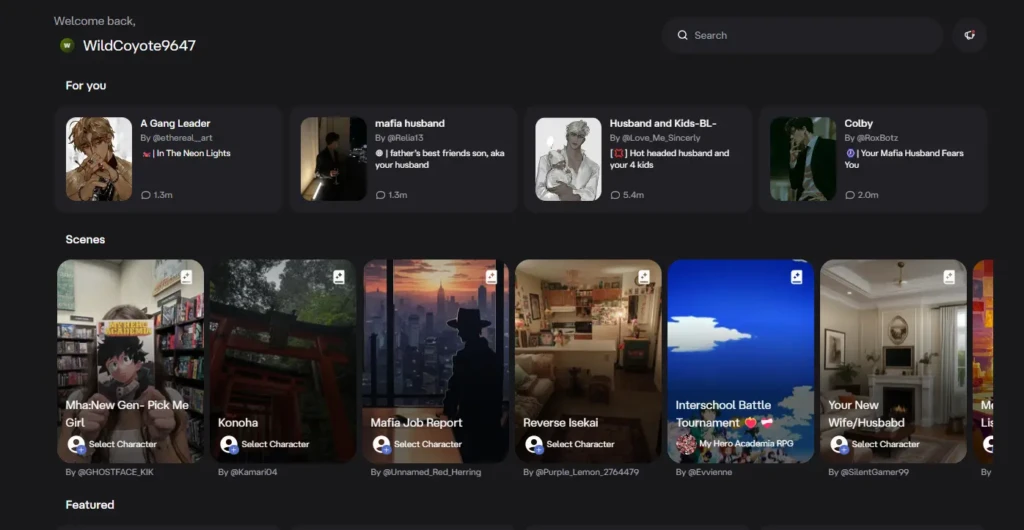
Once you understand how Character AI operates, its use cases become much clearer. While it is not a productivity-first tool, it excels in specific scenarios.
Roleplay and Storytelling
One of the most popular uses of Character AI is roleplay.
Users can:
- Interact with fictional characters
- Simulate conversations in imaginary worlds
- Co-write stories through dialogue
This makes Character AI especially appealing to writers, gamers, and creative hobbyists who want interactive storytelling rather than static text.
Learning and Practice
Character AI is also used for conversational practice.
Common examples include:
- Language learning through simulated dialogue
- Interview practice with an “interviewer” character
- Social skills rehearsal in low-pressure environments
While it should not replace formal learning tools, it can be useful for building confidence and for repetition.
Entertainment and Casual Conversation
Many users simply treat Character AI as entertainment.
You can:
- Chat casually with characters
- Brainstorm ideas
- Explore “what if” scenarios
In this sense, Character AI functions more like a creative playground than a task-oriented assistant.
Character AI Features Explained
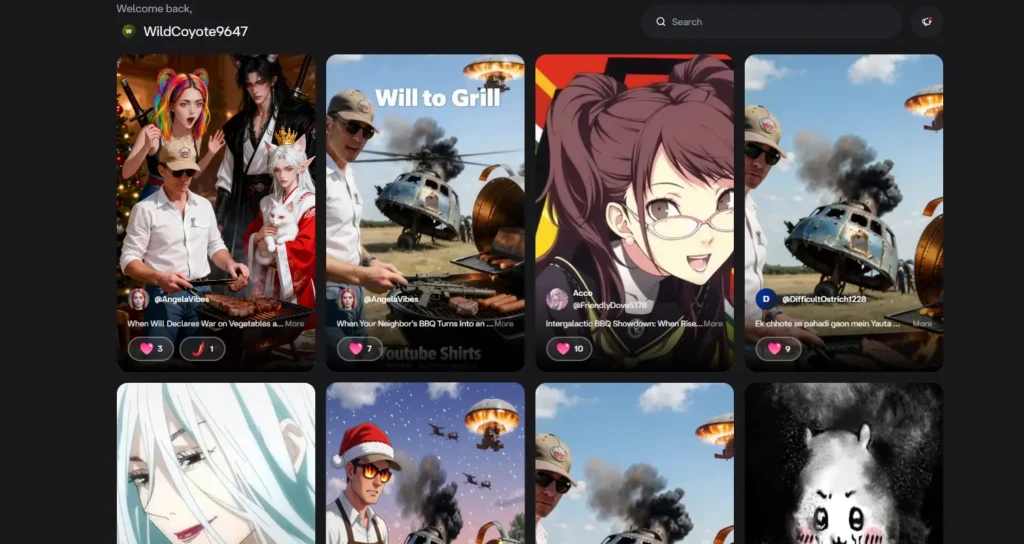
To support these use cases, Character AI includes several notable features.
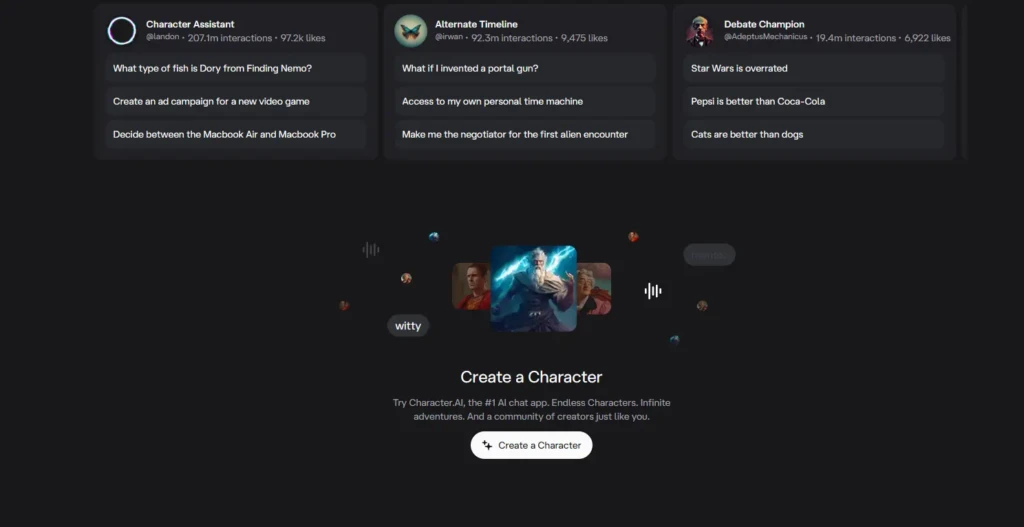
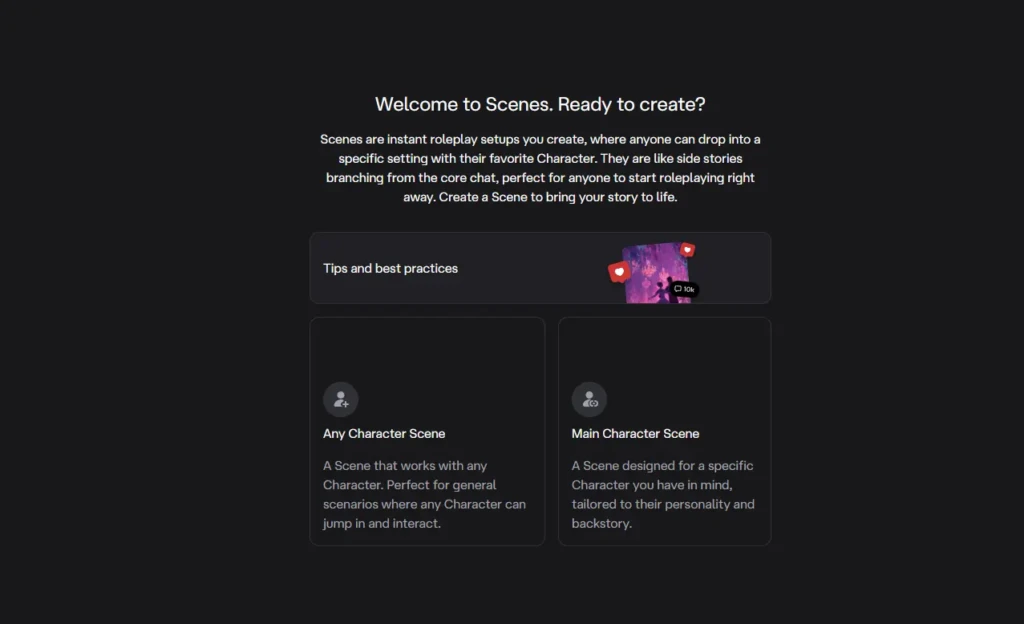
Character Creation
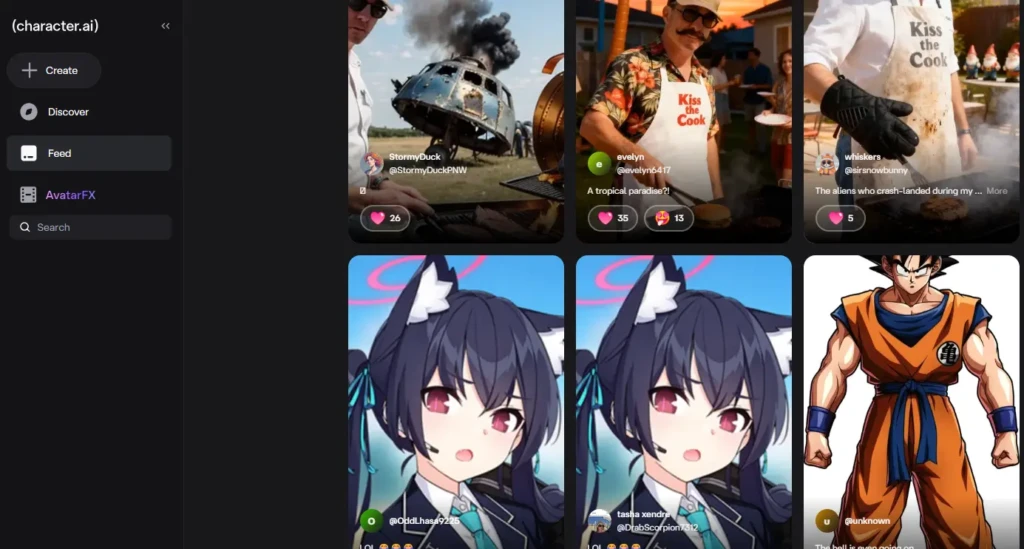
Users can create custom characters by defining personality traits, rules, and conversation goals. This allows for highly tailored interactions, from strict tutors to playful companions.
Public vs Private Characters
Some characters are shared publicly, while others remain private. Public characters allow users to explore what others have created, while private characters are useful for personal experiments or niche scenarios.
Conversation Continuity
Character AI attempts to preserve conversational flow, responding in ways that feel emotionally and contextually consistent. However, it is important to remember that this continuity is simulated and not a proper understanding.
Character AI vs Traditional Chatbots
To clarify where Character AI fits in the AI landscape, a direct comparison helps.
Feature | Character AI | Traditional Chatbots |
Primary Focus | Personality & roleplay | Accuracy & utility |
Tone Consistency | Very high | Moderate |
Factual Reliability | Variable | Generally higher |
Creative Use | Excellent | Limited |
Task Completion | Weak | Strong |
This is why Character AI should not be viewed as a replacement for tools focused on coding, research, or productivity. Platforms such as those reviewed in this Blackbox AI review are far better suited for technical or work-related tasks.
Is Character AI Safe to Use?
Safety is an important consideration, especially given the emotional tone of some conversations.
Character AI includes moderation systems designed to limit harmful or explicit content. However, because conversations can feel personal, users should be mindful not to overshare sensitive information.
In addition:
- Conversations should not be treated as private counseling
- Characters can generate incorrect or misleading information
- Emotional attachment should be approached with caution
For comparison, customer-facing AI platforms like Poly AI are designed with stricter boundaries because they serve business and support environments.
Pros and Cons of Character AI
The Pros
- Highly engaging conversations.
- Strong personality consistency.
- Excellent for creativity and roleplay.
- Easy to use for beginners.
The Cons
- Not reliable for factual accuracy.
- Limited long-term memory.
- Not suitable for professional or critical tasks.
Who Character AI Is Best For
Character AI works best for:
- Writers and storytellers
- Creative thinkers and hobbyists
- Learners practicing conversation
- Users seeking entertainment rather than productivity
If your goal is expression, experimentation, or fun, Character AI delivers a unique experience.
Who Should Be Cautious Using Character AI
You should be cautious if:
- You need verified, factual information
- You plan to use AI for professional decisions
- You are a younger user without guidance
- You are looking for emotional or mental health support
In these cases, other AI tools or human resources are more appropriate.
Final Thoughts: Is Character AI Worth Using?
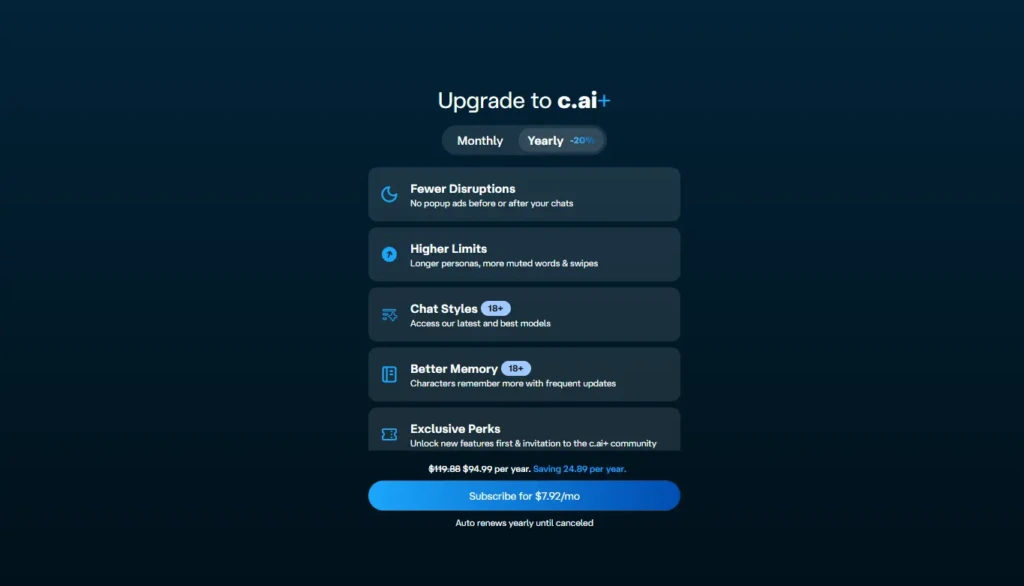
Character AI succeeds because it does not try to be everything. Instead, it focuses on one thing extremely well: creating immersive, personality-driven conversations that feel engaging and expressive. When used with the right expectations, it can be a powerful creative tool and a genuinely enjoyable experience.
However, it is important to understand its limits. Character AI is not designed for precision, professional work, or critical decision-making. When approached as a creative or exploratory platform, though, it offers something few other AI tools do. I see Character AI as a niche but valuable addition to the AI ecosystem, one that works best when used for imagination rather than authority.
FAQs About Character AI
Yes. Character AI offers free access, though some features or usage limits may vary depending on the platform’s policies.
Yes. Users can create custom characters by defining personality traits, rules, and conversational behavior.
No. Character AI is better for roleplay and personality-driven conversations, while ChatGPT is better for accuracy, productivity, and structured tasks.
Character AI maintains short-term context during chats but does not reliably retain long-term conversation history.