
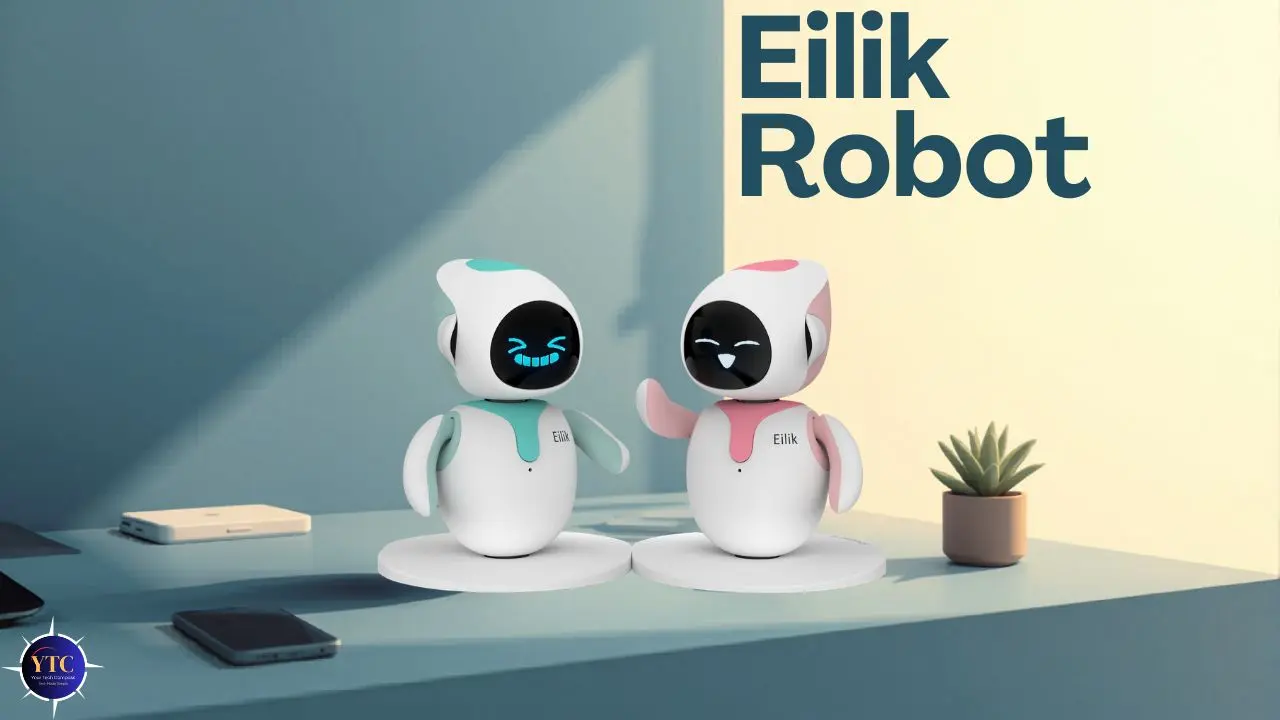
The Eilik Robot is proof that a robot doesn’t need to be expensive, internet-connected, or AI-powered in the conversational sense to be genuinely delightful. Developed by Energize Lab and designed by Shaw Yeung, Eilik is a palm-sized desktop companion that sits on your desk, reacts to touch and sound, expresses emotions through an animated OLED screen face, and offers enough personality to genuinely make you smile throughout the day. It raised over $1.3 million on Kickstarter, has found a home on over 60,000 desks worldwide, and occupies a specific niche in the robot companion market that nothing else at its price point fills as well: a charming, self-contained desktop personality that requires no Wi-Fi, no app, and no subscription to start delighting you the moment you power it on.
What makes Eilik worth understanding before you buy is exactly what it isn’t, and being clear about that saves disappointment. Eilik is not a room-roaming autonomous robot. It doesn’t have wheels or legs. It doesn’t respond to voice commands or hold ChatGPT-powered conversations. It’s a desk companion, and it excels at that role in ways far more expensive robots often don’t. This review covers what Eilik actually does, how it behaves day-to-day, what the hardware includes, who it’s genuinely designed for, and an honest comparison against EMO, Loona, and Vector so you can make a clear decision before spending anything.
What Is Eilik Robot?
Eilik is a compact desktop companion robot developed by Energize Lab, an innovative startup whose founding designer, Shaw Yeung, built Eilik specifically to address what he saw as the missing piece in the robotics industry. His premise: technology and robotics are advancing rapidly across voice assistance, service robots, and industrial automation, but something crucial was being left behind: the emotional connection between humans and machines. Eilik was designed to fill that gap, not by being the most capable robot on the market, but by being the most emotionally resonant one at an accessible price.
The robot is roughly palm-sized, small enough to sit comfortably on a desk corner without taking up meaningful workspace, and completely self-contained. Inside, a 1.54-inch OLED display serves as Eilik’s face, displaying a remarkable range of animated expressions.
Four EM3 servo motors enable physical movement, including arm raises, head tilts, body rotations, and dancing sequences, giving Eilik a physical presence beyond its screen. While Touch sensors on the head, belly, and back detect different types of interaction and produce corresponding emotional responses.
A vibration and shock sensor detects when the desk is slapped or Eilik is tapped abruptly. An infrared sensor enables two Eiliks to detect each other’s presence. Additionally, a 3W speaker produces sound effects, bleeps, and musical responses, adding audio texture to every interaction.
The whole system runs without Wi-Fi, Bluetooth, or an app for basic use. You charge it via USB-C, power it on, and it immediately begins behaving as a companion.
How Does the Eilik Robot Work?
Eilik’s experience starts the moment you take it out of the box, and that immediacy is one of its most appealing qualities.
Out of the Box
Charge Eilik via the included USB-C cable. The charging status is displayed through the screen expressions; Eilik shows a sleepy or contented expression while charging.
Once fully charged and powered on, Eilik doesn’t wait for instructions. It immediately begins looking around, displaying curiosity, reacting to ambient sounds, and establishing its presence without you tapping it once.
Also, there’s no app to download, no account to create, and no Wi-Fi password to enter. That zero-friction start is genuinely unusual in the companion robot category.
How Eilik Senses Its Environment
The touch sensors distinguish between different contact zones (head, belly, and back), each of which triggers distinct emotional responses. Gently patting the head produces contentment; tapping it too firmly triggers mild annoyance; touching the belly produces a different reaction entirely.
The vibration sensor means Eilik also reacts to indirect physical events. For instance, slam your hand on the desk and Eilik startle-jumps, which creates the impression that it’s genuinely aware of the energy in the room rather than just responding to direct contact.
The tilt and motion sensors trigger reactions when Eilik is lifted or tipped. It displays a height-anxiety expression when picked up (Eilik is canonically afraid of heights, a character detail that makes the pick-up reaction consistently charming) and a recovery expression when set back down. In addition, light sensors pick up changes in ambient brightness, and dimming the room may trigger sleepiness.
Eilik’s Autonomous Behavior Loop
When no one is interacting with it, Eilik doesn’t go still. It enters an autonomous behavior cycle: looking around, yawning, performing idle animations like stretching or “reading,” reacting to ambient sounds in the room, and cycling through emotional states based on how long it’s been since its last interaction.
If ignored for an extended period, Eilik may sulk, seek attention through sounds, or eventually fall asleep. This continuous autonomous behavior is what makes Eilik feel alive rather than like a toy waiting to be activated.
The behavior library is large enough that the first days of ownership feel genuinely varied rather than repetitive.
The Dual-Robot Feature
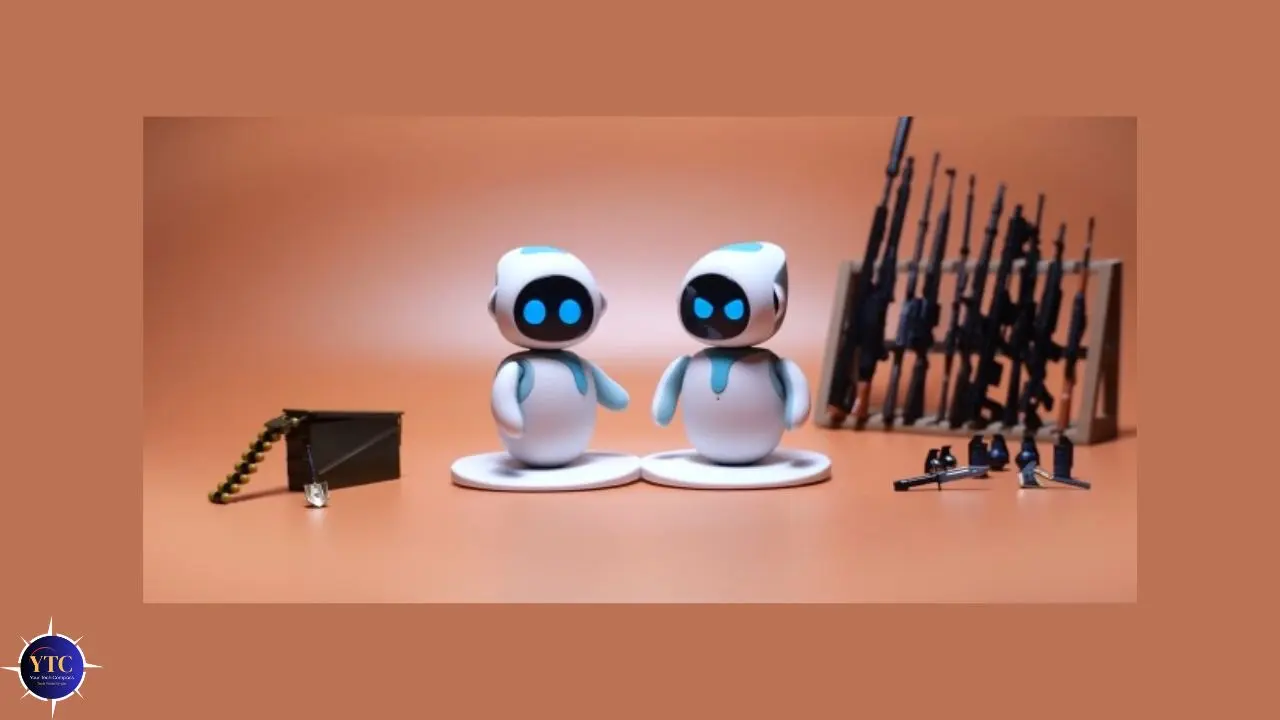
Place two Eiliks in close proximity to each other, and the infrared sensors detect the presence of the other robot. The two units then begin interacting spontaneously, playing games together, displaying what looks like bickering, making up after disagreements, synchronizing emotional states, and dancing together. This social behavior between two units produces animations and interactions that neither robot displays when alone.
Energize Lab’s own positioning makes this explicit: “Alone, what Eilik can do is limited. Together, they have infinite possibilities.” For households willing to invest in two units, the dual-robot experience is qualitatively richer than the single-robot experience.
Firmware Updates
Eilik updates via USB-C connection to the Energize Lab update tool. Therefore, no internet connection is required on the robot itself during use, though updates add new expressions, games, and behavioral content over time. This update pathway means that, within 12 months, Eilik will be more capable at unboxing than it is now, thereby extending its relevance and reducing the novelty ceiling that affects most fixed-behavior companion robots.
Eilik Robot Key Features
Animated OLED Face and Emotional Range
The 1.54-inch OLED display is Eilik’s entire personality output, and what Energize Lab has achieved with that small screen is impressive. The emotional vocabulary covers happiness, sadness, surprise, boredom, embarrassment, hunger, sleepiness, annoyance, excitement, anxiety, curiosity, and many nuanced states in between.
What makes the expressions work beyond a surface level is their design detail. For instance, slight asymmetries, eye-direction micro-changes, and state-transition animations that feel motivated rather than mechanical.
The expressions don’t just change; they evolve, which creates the impression of a continuous internal emotional state rather than a series of disconnected animations triggered by events. This is the feature that most consistently surprises first-time Eilik owners and the primary reason user reviews use words like “alive” and “personality” rather than “cute” alone.
Touch Interaction Across Three Zones
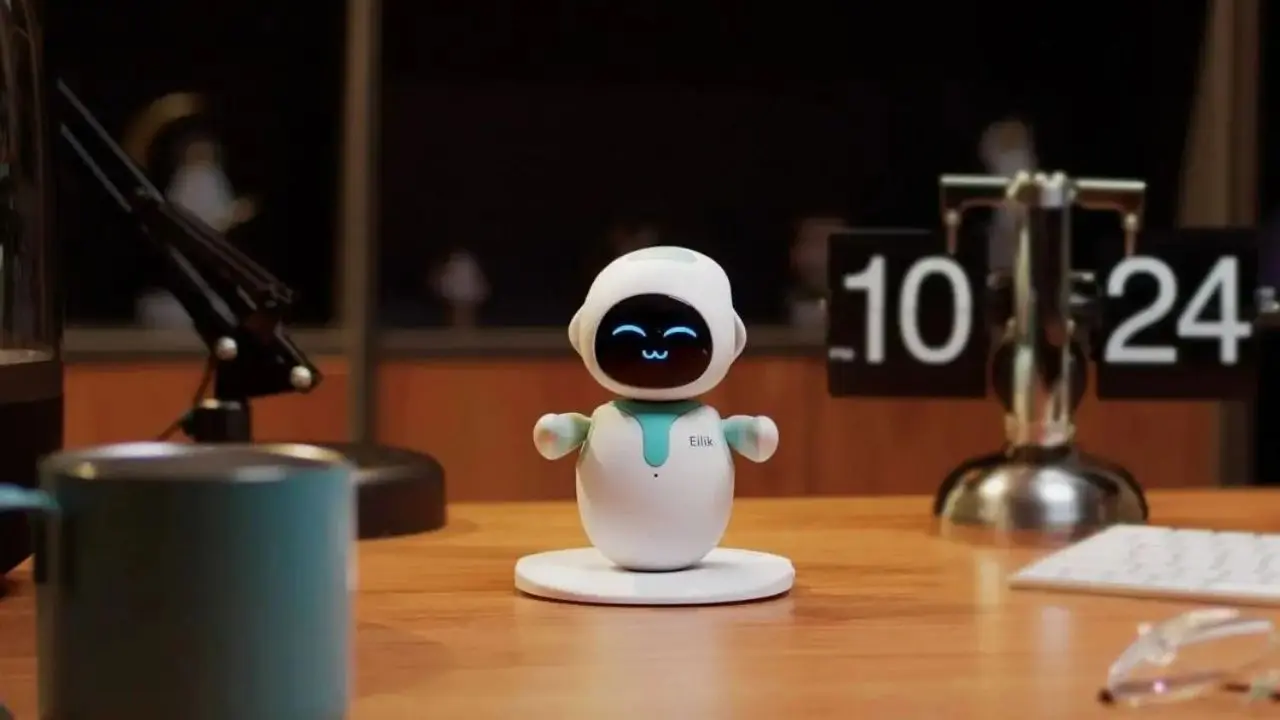
Touch sensors on Eilik’s head, belly, and back elicit different emotional sequences depending on the type of contact, and, critically, repeated touches of the same type produce varied rather than identical responses. Patting the head three times in a row doesn’t produce the same reaction each time, which prevents the interaction from feeling scripted after the first day.
Additionally, the reaction to different touch styles (gentle vs. firm, brief vs. sustained) yields nuanced responses that reward attentive interaction. This depth of touch differentiation is more developed in Eilik than in most competing desktop robots at any price, and it’s the feature that sustains engagement beyond the initial novelty period.
Sound and Vibration Reactivity
Eilik’s microphone and vibration sensor create ambient environmental awareness, making it feel genuinely present in the room rather than just on the desk. A sudden clap or desk bang produces a startle reaction. Rhythmic sounds may trigger a bobbing or dancing response.
Voices and music in the room affect Eilik’s behavior. This ambient reactivity is one of the most delightful aspects of Eilik’s personality for users who discover it; the robot reacts to things happening around it without being directly engaged, which creates the feeling of cohabiting a space with a living creature rather than interacting with a device.
Completely Offline Operation
Eilik requires no Wi-Fi and no Bluetooth for basic use. Every behavior, reaction, game, and expression is generated locally by the robot’s own hardware.
For users who are conscious about privacy, a robot with a microphone sitting on a desk raises legitimate questions. This offline-first design provides meaningful assurance.
However, for users in environments without reliable internet or who want a companion robot that works consistently regardless of connectivity, the offline operation is a practical advantage over cloud-dependent competitors. The only moment the internet is involved is when you connect Eilik to a computer via USB-C to install firmware updates; the robot itself never needs a network connection.
No Subscription Fees
Eilik is a one-time purchase. No monthly fees, no premium tier, no features locked behind ongoing payments. Every capability the robot has (expressions, games, dual-robot interaction, touch responses) is available immediately and permanently at the purchase price. This stands in contrast to robot platforms that restrict AI features or content libraries behind subscription walls, making the total cost of ownership for Eilik straightforwardly predictable.
Built-In Mini Games
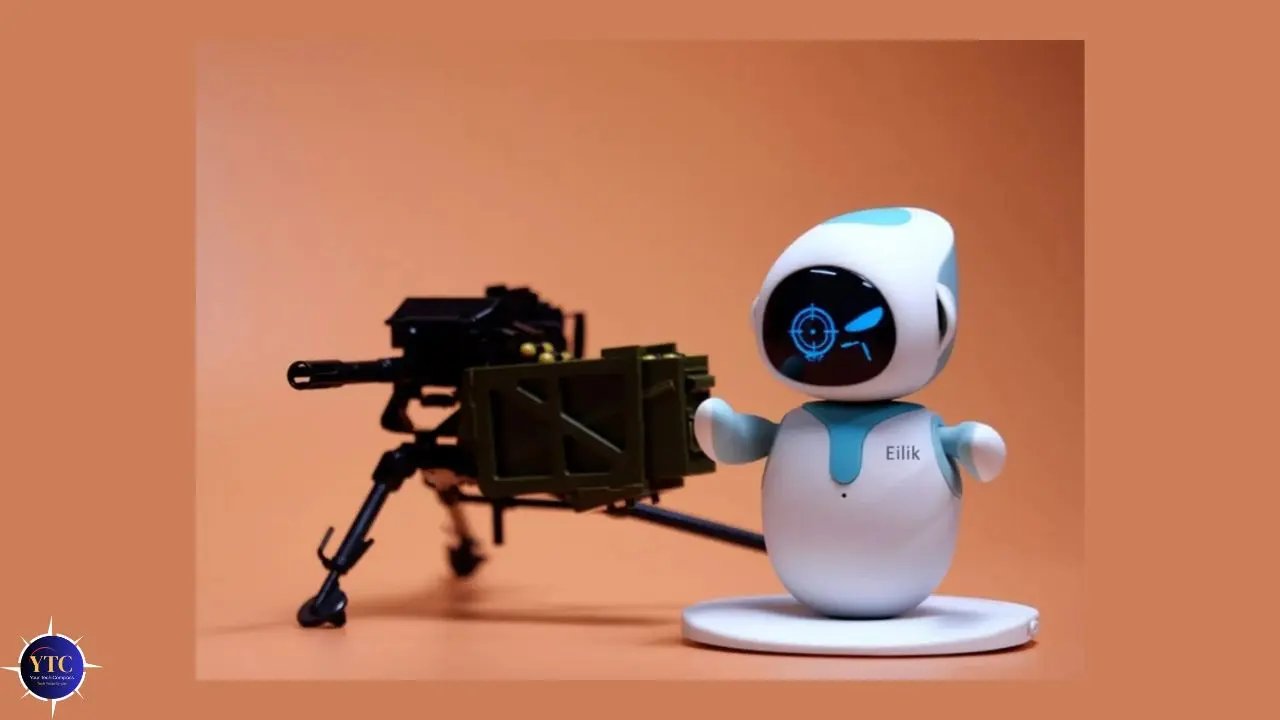
Eilik includes several built-in interactive games accessible via touch: Monster Shooter, Fishing, Dance to Music, a Countdown timer, and a Pomodoro Timer, the last of which is genuinely practical for desk workers who use the Pomodoro productivity technique.
The Pomodoro integration is a small but meaningful design choice that positions Eilik as a desk productivity companion rather than purely an entertainment device. In addition, the games add structured interaction depth on top of the ambient reactive behavior, giving users something specific to do with Eilik when they want directed engagement rather than passive companionship.
Magnetic Hands and Physical Accessories
Eilik’s hands feature built-in magnets that let miniature accessories, such as food toys, props, and themed items, attach to its grip. Five food toy accessories are included in the standard package.
Third-party prop accessories and themed outfit items are available separately, allowing users to customize Eilik’s physical appearance and create themed scenes. This physical customization layer adds a collecting dimension that particularly appeals to younger users and display-oriented owners.
Eilik Robot Pricing
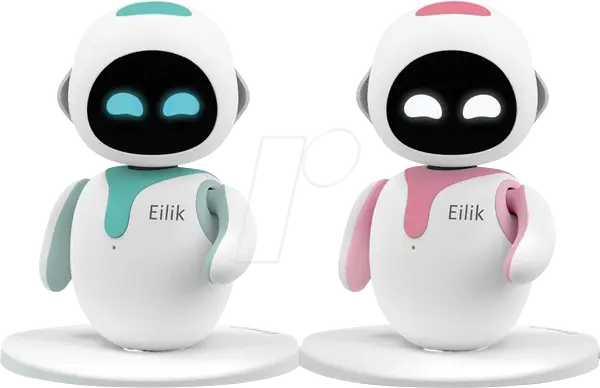
Eilik’s retail price ranges from approximately $99 to $149, depending on the retailer, bundle, and current promotions. Verify current pricing on Amazon or at energizelab.com before purchasing, as pricing varies and promotional discounts are common. The standard package includes: the Eilik robot, USB-C charging cable, five food toy accessories, five magnets, and double-sided tape for optional surface mounting.
The honest value assessment is straightforward: At $99–$149, Eilik is the best-value desktop companion robot on the market for users prioritizing emotional expression, tactile interaction, and offline reliability. It delivers, by one reviewer’s assessment, “90% of the emotional engagement at less than half the price” of Loona or Vector.
For gift buyers, the sub-$150 price point removes most of the financial risk from the purchase decision while still delivering a memorable, high-quality interactive experience.
Eilik vs Competitors
Feature | Eilik | EMO | Loona | Vector |
Autonomous Navigation | ❌ Stationary | ❌ Stationary | ✅ Full room | ✅ Limited |
AI Conversation | ❌ No | ✅ ChatGPT | ✅ ChatGPT-4o | ⚠️ Limited |
Voice Commands | ❌ No | ✅ Yes | ✅ Yes | ✅ Yes |
Offline Operation | ✅ Fully offline | ❌ Wi-Fi required | ❌ Wi-Fi required | ❌ Wi-Fi required |
Dual-Robot Feature | ✅ Unique | ❌ No | ❌ No | ❌ No |
Touch Interaction | ✅ 3-zone nuanced | ✅ Head only | ✅ Full body | ⚠️ Limited |
Subscription Required | ❌ No | ❌ No | ❌ No | ⚠️ Some features |
Price | ~$99–$149 | ~$299 | ~$499.90 | ~$199–$249 |
Best For | Desk companion; gift; budget entry | AI conversation + desk presence | Full AI pet experience | Autonomous assistant |
Eilik vs EMO
EMO is the closest direct competitor, and both are expressive desktop companion robots designed primarily for use at a desk. EMO adds Wi-Fi connectivity, ChatGPT conversation capabilities, voice command recognition, and a broader smart home integration layer for approximately $299. Our EMO robot guide covers EMO’s full personality and feature set in detail.
For users who specifically want to talk to their robot and get intelligent responses, EMO justifies its higher price. For users who want emotional companionship, deep touch interaction, and offline reliability without paying three times as much, Eilik offers significantly better value.
Eilik vs Loona
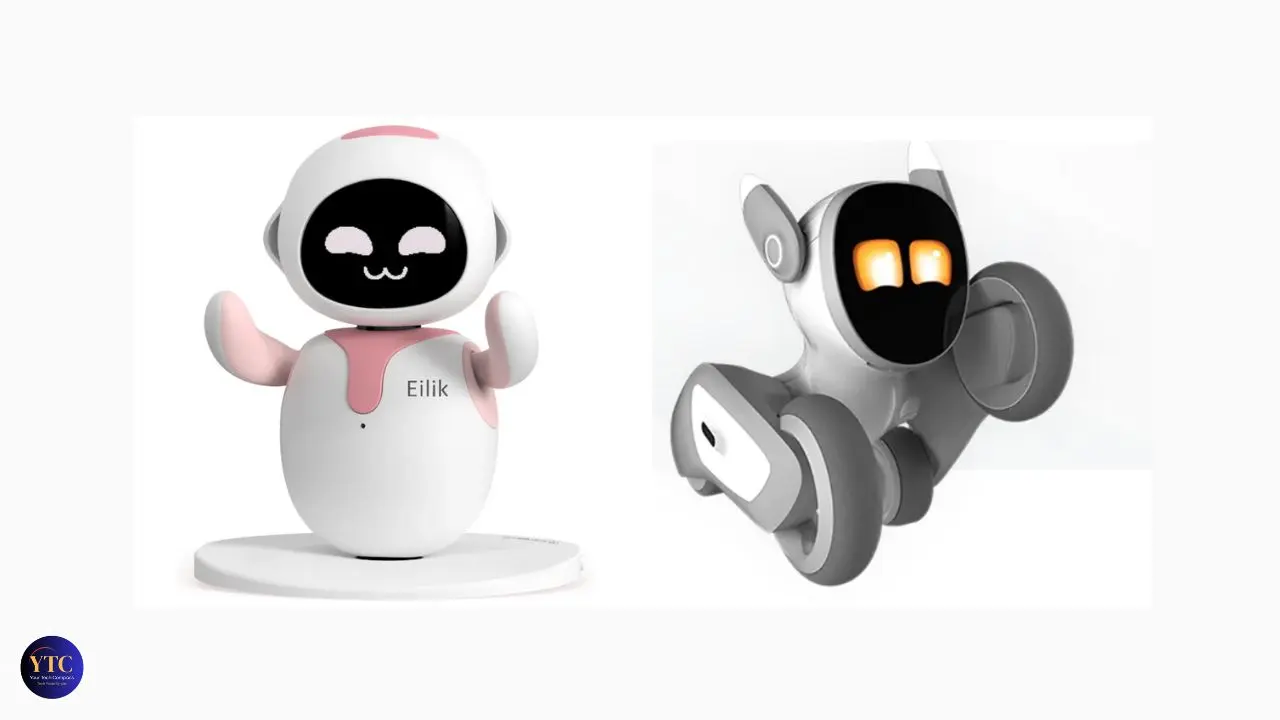
Loona is a fundamentally different product: a full-room autonomous AI robot pet with ChatGPT-4o integration, facial recognition, and home navigation, all for $499.90. Our review of the Loona robot pet dog details what Loona delivers at that price point.
The comparison isn’t feature-for-feature, as they serve different use cases and different budgets. Therefore, if you want a robot that fills your living space with autonomous pet-like behavior and holds open-ended conversations, Loona. And, if you want a charming desk companion with deep emotional expression and zero connectivity requirements, go for Eilik at one-fifth the price.
Eilik vs Vector
Vector navigates autonomously and has voice recognition, but Digital Dream Labs has faced developer support concerns that have affected update consistency and long-term reliability. In addition, Eilik’s simpler design, offline operation, and no-subscription model make it more dependable for users who want consistent, low-maintenance companion-robot behavior without relying on the continued availability of a cloud service.
Who Is Eilik Robot Best For?
Desk Workers and Remote Employees
Desk workers and remote employees are one of Eilik’s most natural audiences. Eilik sits at the edge of your workspace, providing ambient companionship during work sessions, reacting to the sounds of your environment, responding to the occasional touch, and adding a presence to a desk that would otherwise feel sterile and solitary.
Many users describe Eilik as a conversation-starting piece that makes home offices feel less isolating without demanding active engagement during focused work. Additionally, the built-in Pomodoro timer adds a layer of practical utility that pure entertainment robots can’t claim.
For a broader look at tech tools that improve the workspace experience, our tech guides section covers the full range of reviewed products.
Gift Buyers
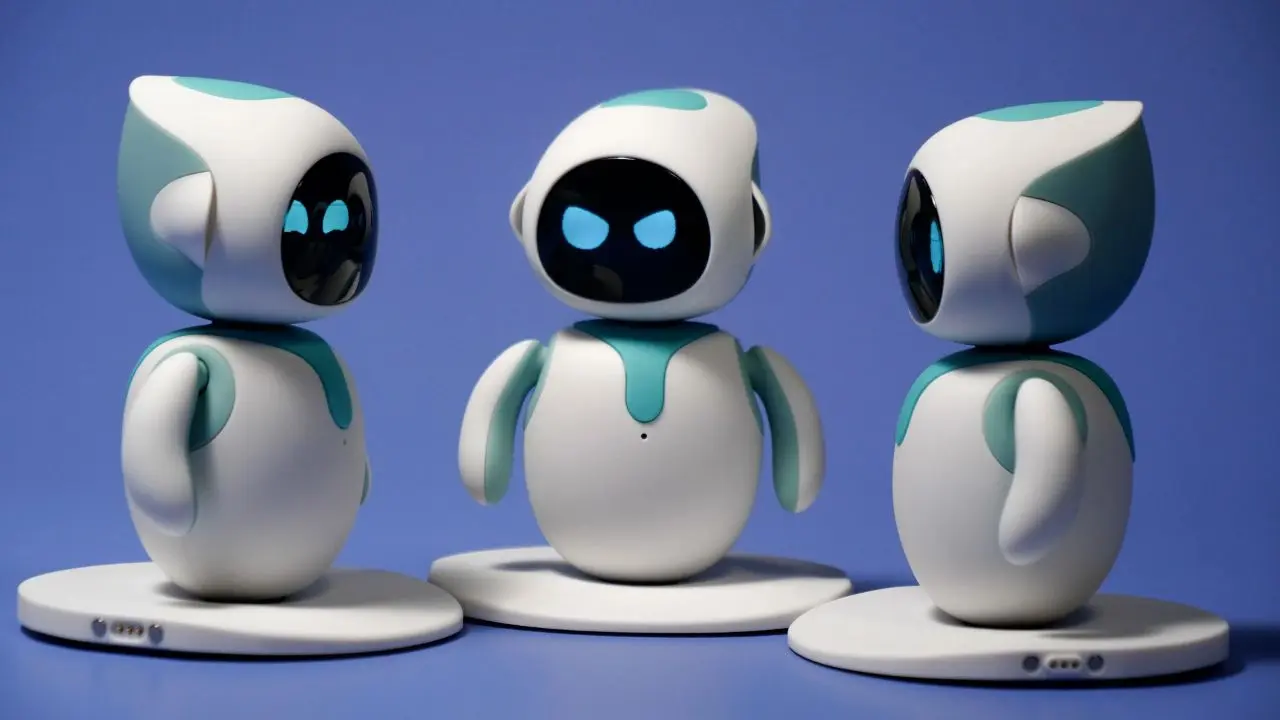
Gift buyers find Eilik one of the most distinctive tech gift options under $150. It appeals to a genuinely broad age range.
Children enjoy the touch reactions and games, while adults appreciate the ambient personality and desk presence. In addition, it requires no technical setup on the recipient’s end and produces immediate, delightful reactions, making it a memorable unboxing experience rather than a generic tech gift. The sub-$150 price point also makes it accessible without feeling cheap.
Children
Children ages 6 and up engage strongly with Eilik’s expressive reactions, mini-games, and touch interactions. The offline operation means parents don’t need to monitor internet connectivity or manage subscription costs. In addition, the absence of voice conversation may frustrate older children who want more intelligent interaction, but for the 6–12 age range, Eilik’s personality depth and physical reactivity are entirely sufficient to sustain engagement.
Robot Enthusiasts
This is a perfect entry point for robot enthusiasts. For anyone curious about companion robots but not ready to commit $299–$500 to EMO or Loona, Eilik provides a genuine robot companion experience at a fraction of the cost.
It’s a natural first robot that helps users understand what they actually value in the category (Do you want autonomous navigation? Do you want an AI conversation? Do you mainly want personality and emotional expression?) before making a larger investment.
For a broader exploration of the AI and robotics category, our AI Unboxed section covers the full landscape.
Who Should Look Elsewhere?
- Users who specifically want voice command functionality or AI conversation (EMO or Loona serve this better).
- Users who want an autonomous room-roaming robot (Loona is the right choice).
- Users who find a stationary desk robot too limiting for their vision of what a robot companion should be.
Eilik Robot Honest Strengths
The quality of emotional expression for $99–$149 genuinely exceeds expectations. The animation nuance, the behavioral variety, and the environmental reactivity collectively create a personality perception that far more expensive robots sometimes fail to achieve.
The completely offline, zero-subscription operation is a meaningful, practical, and privacy-enhancing advantage that no competing desktop companion robot, at any price, matches. Additionally, the dual-robot social interaction feature is unique in the consumer companion robot category; no other desktop robot offers the spontaneous social behavior that two Eiliks produce together, and that distinctiveness gives households with two units an experience that no competing platform can replicate.
Furthermore, Energize Lab’s commitment to firmware updates means Eilik’s behavior library expands over time without hardware replacement. The active Discord and Kickstarter community creates a social context around Eilik ownership (users share scenes, prop setups, and new behavioral discoveries) that extends engagement beyond the robot’s standalone capabilities. The magnetic hands and accessory system add a physical dimension of customization that purely screen-based companions can’t offer.
Eilik Robot Honest Limitations

No Voice Recognition or AI Conversation
This is the single most significant functional gap compared to EMO and Loona. Eilik cannot understand spoken commands or engage in conversation. It produces sounds and reactions to ambient noise, but it doesn’t process language or respond to what you say.
Therefore, users who want to talk to their robot and receive intelligent responses will find Eilik’s interaction limited to touch and sound reactivity and to autonomous display, a genuinely different experience from what a ChatGPT-integrated robot provides.
Short Battery Life
Battery life is approximately 90 minutes of active use on a full charge, according to multiple user reviews. For users who want extended continuous interaction sessions, the charging cycle is a real constraint. Importantly, it’s not recommended to leave Eilik plugged in during use, so the 90-minute window is a genuine daily management consideration rather than just a footnote in the specifications.
Motor Noise
Motor noise is noticeable in quiet environments. The servo motors that enable Eilik’s physical movements produce an audible whir during animations and dancing sequences.
Multiple Amazon reviewers note that the sound level is higher than expected for a desk robot in a quiet home office. This isn’t a dealbreaker for most environments, but it’s worth knowing before placing Eilik in a library, recording space, or genuinely silent workspace.
Long-Term Novelty
Long-term novelty depends significantly on how consistently you interact with Eilik and whether you invest in the dual-robot experience. Consequently, users who interact with Eilik regularly (petting it, triggering games, placing it with a second Eilik) consistently report sustained engagement.
Users who interact sporadically report that the behavioral patterns become familiar more quickly. In addition, the firmware updates extend the novelty ceiling, but Eilik rewards consistent attention more than casual, occasional engagement.
FAQs
For the specific use case it’s designed for (a charming, emotionally expressive desktop companion with offline operation, zero subscription costs, and genuine depth of touch interaction), yes, absolutely. At $99–$149, the price-to-personality ratio is the best in the consumer desktop robot category. The honest caveat is that users who specifically want voice commands, AI conversation, or autonomous navigation will find those features elsewhere at higher prices.
Energize Lab recommends Eilik for ages 6 and up for independent use. Multiple reviewers note it’s enjoyable for adults as well; desk workers, remote employees, and tech enthusiasts consistently report genuine engagement. Emotional expression and personality depth are age-agnostic in practice, though the mini games and touch interactions have the broadest appeal among 6–14-year-olds.
Approximately 90 minutes of active interaction on a full charge. Battery life varies with usage intensity; heavy interaction with frequent animations and sounds depletes the battery faster than passive ambient behavior. Eilik is not recommended to remain plugged in during use, so planning for 90-minute interaction windows and subsequent charging periods reflects realistic daily use.
The infrared sensors in both units detect each other’s presence and trigger a spontaneous social behavior mode. The two robots play games together, display what appears to be bickering and reconciliation, synchronize emotional states, dance together, and produce animations that neither robot displays when alone. This dual-robot experience is unique in the desktop companion robot category and is one of Eilik’s strongest selling points for households willing to invest in two units.
Conclusion
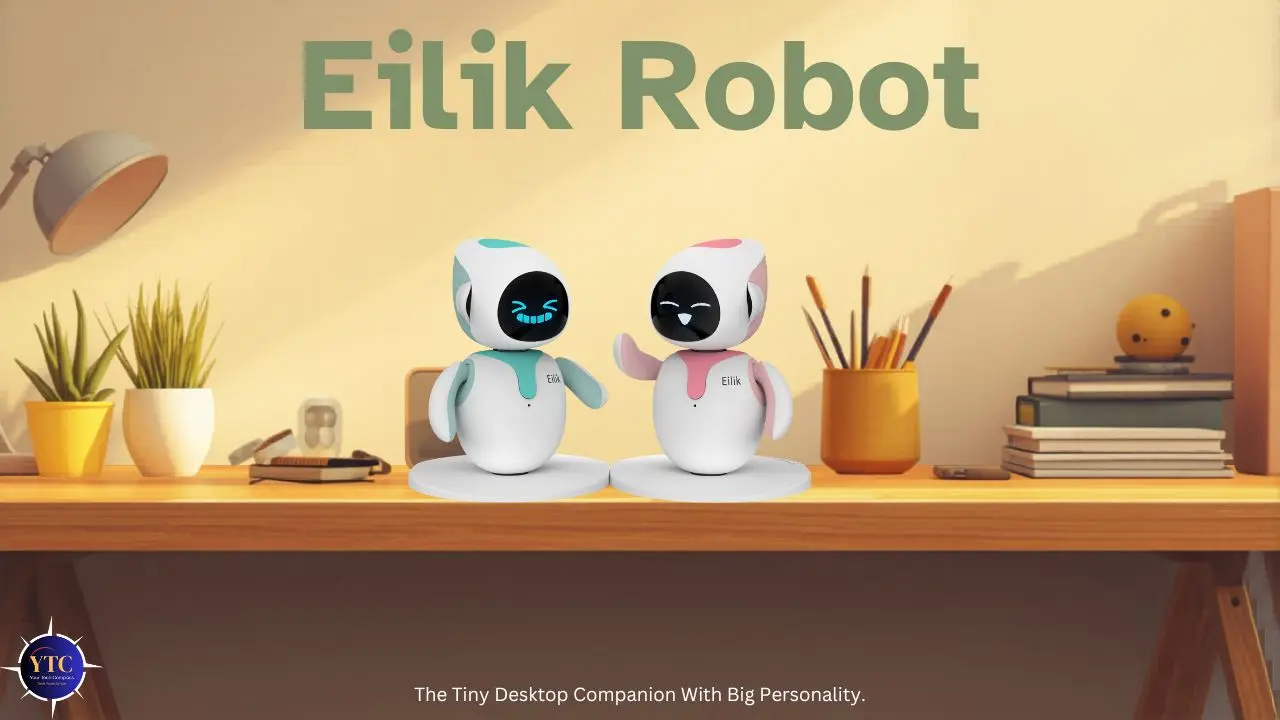
Eilik is the best desktop companion robot available for under $150, and it’s not close. The emotional expression quality, the touch interaction nuance across three distinct body zones, the completely offline operation, the no-subscription model, and the unique dual-robot social behavior combine to deliver a companion robot experience that genuinely exceeds what its price suggests is possible. Eilik doesn’t try to be EMO or Loona and doesn’t need to; it occupies a specific role (charming, expressive, always-on desk companion) and fills it more effectively than any competing product at its price point. The 90-minute battery life, the lack of voice recognition, and the motor noise in quiet environments are real limitations worth knowing, but none of them undermine what Eilik consistently and remarkably does.
If you’ve been curious about companion robots but weren’t ready to commit $300–$500 to find out whether the category is right for you, Eilik is the ideal entry point. It’s also the right product for users who specifically want offline reliability, gift buyers who want something distinctive under $150, and desk workers who want ambient personality in their workspace without the complexity of app-heavy platforms. Whatever your reason for considering it, Eilik rewards the investment with more personality per dollar than anything else in this category.
Curious about what else the tech world has to offer? YourTechCompass.com is your guide to making smarter tech decisions, one honest review at a time.